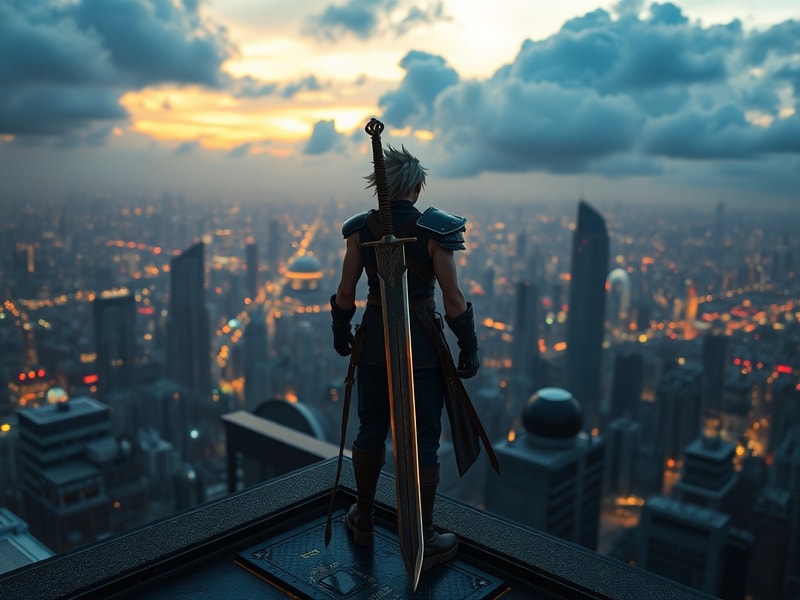
Square Enix’s Final Fantasy VII Rebirth has arrived, and with it, a wave of expectations that few games can ever truly meet. Released in February 2024 as the second installment in the Final Fantasy VII Remake project’s three-part narrative, Rebirth expands the scope of its predecessor while deepening its lore, mechanics, and emotional weight. But does it succeed in delivering a cohesive vision, or does it stumble under the weight of its own ambition?
The game picks up shortly after the events of Final Fantasy VII Remake, where Cloud Strife and his allies have escaped Midgar and are navigating the wider world of Gaia. The narrative shifts focus from survival to strategy as the group confronts Sephiroth’s encroaching threat. Square Enix has emphasized that Rebirth is less a direct sequel and more a “rebirth” of the classic 1997 RPG—both in narrative structure and gameplay philosophy. The result is a game that feels both familiar and radically new, a delicate balance that will define its legacy.
The Evolution of Combat and Gameplay
One of Rebirth’s most significant departures from its predecessor—and from traditional JRPGs—is its combat system. The real-time action of Remake has been refined into a more dynamic, fluid experience. Players now engage in a hybrid system that blends real-time combat with tactical depth, allowing for greater customization and strategic flexibility.
The Materia system returns but with expanded functionality, enabling players to adapt their playstyle on the fly. Summons, or “Eidolons,” have been reworked to feel more interactive, with combat sequences that blend seamlessly into the action. This evolution is not just cosmetic; it fundamentally alters how players interact with the game world and its challenges.
Exploration has also received a major overhaul. The open-world segments of Rebirth are more expansive than ever, featuring dynamic weather systems, day-night cycles, and a variety of side quests that flesh out the world of Gaia. These changes reflect a broader industry trend toward open-world design, but Square Enix has managed to integrate them organically into the Final Fantasy VII universe without sacrificing the series’ signature storytelling.
Key Gameplay Innovations in Final Fantasy VII Rebirth
- Hybrid Combat System: A seamless blend of real-time action and tactical depth, allowing for greater player agency.
- Dynamic Open World: Expanded exploration with day-night cycles, weather effects, and meaningful side content.
- Enhanced Materia & Eidolons: Materia now offers deeper customization, while summons are more interactive and cinematic.
- Narrative Branching: Choices made in combat and dialogue subtly influence the story’s progression and endings.
- Visual Overhaul: The game’s graphical fidelity pushes the limits of the PlayStation 5, with improved lighting, textures, and animations.
Narrative Ambitions and Emotional Depth
Final Fantasy VII Rebirth is first and foremost a story-driven experience. The game’s narrative picks up where Remake left off, but it quickly diverges into territory that feels both nostalgic and fresh. The central conflict revolves around Cloud and his allies as they race to stop Sephiroth from unleashing a cataclysmic force known as the “Whispers.” These enigmatic entities seek to enforce a predetermined timeline, a theme that adds a layer of existential dread to the story.
Square Enix has taken bold risks with the narrative structure of Rebirth. The game features multiple endings, a rarity in the series, and its story is divided into distinct “books,” each with its own thematic focus. This approach allows for a more episodic, cinematic experience that rewards players for engaging deeply with the world and characters.
Yet, the game’s ambition is not without its challenges. Some players may find the narrative pacing uneven, with certain sections feeling overly drawn out while others rush through critical developments. The emotional beats, however, remain some of the strongest in the series. Moments of camaraderie, betrayal, and sacrifice are delivered with a sincerity that elevates the storytelling above typical JRPG tropes.
Broader Implications for the Franchise and Industry
The release of Final Fantasy VII Rebirth is more than just a milestone for one of gaming’s most beloved franchises; it reflects broader trends in the industry. Square Enix’s decision to split the remake into three parts signals a shift toward serialized, cinematic storytelling in RPGs. This approach allows for deeper world-building and character development but also carries risks, particularly in maintaining consistency across such a sprawling narrative.
For the Final Fantasy series, Rebirth represents an opportunity to redefine what a modern JRPG can be. The game’s blend of open-world exploration, real-time combat, and narrative ambition sets a new standard for the genre. However, it also raises questions about the future of remakes and reboots. Can other classic franchises successfully make the leap to this kind of hybrid design? Or will Rebirth stand alone as a bold experiment that others struggle to emulate?
The game’s reception will likely influence the direction of Square Enix’s future projects, including the rumored Final Fantasy VII: Ever Crisis mobile game and potential adaptations of other iconic titles. If Rebirth succeeds, it could pave the way for more ambitious remakes. If it falls short, it may give pause to studios considering similar projects.
Final Verdict: A Worthy Successor or a Missed Opportunity?
Final Fantasy VII Rebirth is a game of contradictions. It is both a love letter to the original Final Fantasy VII and a radical reimagining of its legacy. It embraces open-world design while retaining the series’ signature storytelling. It delivers breathtaking visuals and innovative gameplay but occasionally stumbles in pacing and narrative cohesion.
For longtime fans, Rebirth is a triumph. It honors the spirit of the original while pushing the boundaries of what a remake can achieve. The emotional weight of revisiting familiar characters and themes is undeniable, and the game’s technical achievements are impressive. However, it may frustrate players expecting a straightforward sequel or those who prefer the more contained experience of Remake.
Ultimately, Final Fantasy VII Rebirth is a game that demands patience and engagement. It rewards those who dive deep into its systems and lore but may leave casual players wanting. Whether it stands as a definitive evolution of the franchise or a cautionary tale about over-ambition will depend on how its story concludes in the final chapter. For now, it is a bold statement—one that cements Final Fantasy VII as a series unafraid to take risks.
Who Should Play Final Fantasy VII Rebirth?
This game is ideal for players who:
- Enjoy narrative-driven RPGs with deep lore and character development.
- Appreciate hybrid combat systems that blend action and strategy.
- Are invested in the legacy of Final Fantasy VII and its characters.
- Prefer open-world exploration with meaningful side content.
- Don’t mind a slower, more cinematic pacing in exchange for emotional depth.
If you’re looking for a fast-paced, traditional JRPG, Rebirth may not be for you. But if you’re ready to experience a game that pushes boundaries and challenges conventions, this is a must-play.
Looking Ahead: The Future of Final Fantasy VII
With Rebirth out in the world, all eyes are now on the third and final installment of the remake project. While details remain scarce, it’s clear that Square Enix has set a high bar for itself. The success of Rebirth will likely shape the future of the franchise, influencing everything from spin-offs to potential sequels.
For now, fans can take solace in the fact that Final Fantasy VII is alive and evolving in ways that honor its past while embracing its future. Whether that evolution leads to greatness or missteps remains to be seen—but for the first time in decades, the journey feels worth taking.
For more updates on Final Fantasy VII and other gaming news, visit Dave’s Locker Gaming.
Interested in the broader impact of game remakes? Check out Dave’s Locker Analysis for deeper insights.