Alabama Baseball: Tradition, Talent, and Global Reach
“`html
Alabama Baseball: Tradition, Talent, and Global Influence
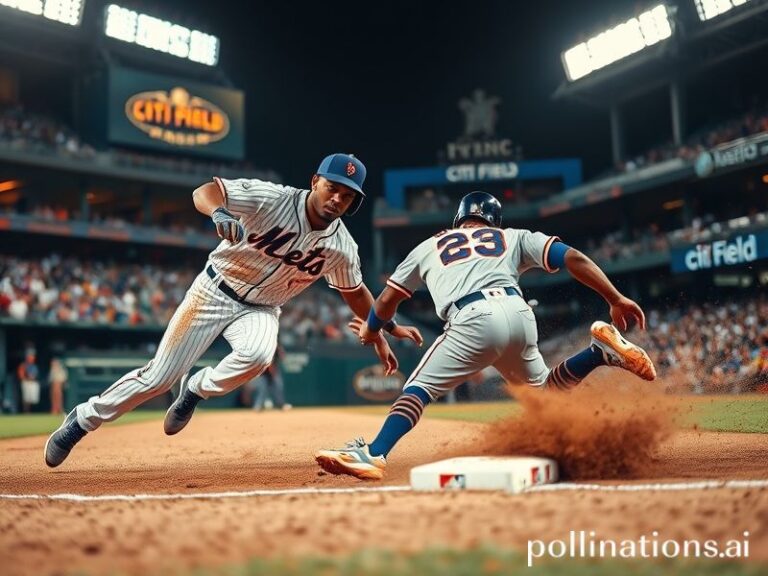
Baseball in Alabama isn’t just a sport—it’s a cultural institution woven into the state’s identity. From the sandy fields of small-town high schools to the bright lights of professional stadiums, Alabama baseball has produced legends, fostered community pride, and even influenced global baseball trends. While powerhouse programs in states like California or Florida often grab headlines, Alabama’s contributions to the game remain understated yet deeply impactful.
The state’s baseball culture thrives on a unique blend of tradition and innovation. Southern hospitality meets competitive grit on the diamond, creating an environment where players develop not just as athletes, but as leaders. This balance of heritage and progress has helped Alabama become a breeding ground for talent that extends far beyond its borders.
The Historical Roots of Alabama Baseball
The story of baseball in Alabama begins in the late 19th century, when the sport was still finding its footing across the United States. The first recorded baseball game in Alabama took place in Mobile in 1868, just years after the Civil War. By the early 1900s, the state had established its first organized leagues, with teams like the Birmingham Barons—founded in 1910—becoming fixtures in the Southern Association.
Alabama’s baseball history is deeply tied to its industrial and social evolution. In cities like Birmingham, baseball served as a unifying force during periods of racial segregation. The Negro Leagues flourished, with teams like the Birmingham Black Barons producing Hall of Fame players such as Willie Mays, who got his start on sandlots in Westfield before becoming one of baseball’s greatest icons. Mays’ journey from Alabama to the majors symbolizes the state’s role as a talent pipeline for the national pastime.
Even during times of economic hardship, baseball remained a constant. The Alabama-Florida League, which operated from 1936 to 1941, provided entertainment and hope during the Great Depression. These early leagues laid the groundwork for what would become a statewide passion.
College Baseball: The Heartbeat of Alabama’s Diamond Scene
While professional baseball has its place in Alabama, the state’s college programs are the lifeblood of its baseball culture. The University of Alabama and Auburn University have long been powerhouses, competing annually in the fiercely contested Iron Bowl—a rivalry that extends beyond football to baseball, basketball, and even football again. The rivalry isn’t just about wins and losses; it’s about pride, identity, and statewide bragging rights.
Auburn’s baseball program, in particular, has seen remarkable success in recent years. Under the leadership of head coach Butch Thompson, the Tigers have become a consistent contender in the Southeastern Conference (SEC), one of the most competitive baseball conferences in the nation. Auburn’s 2019 run to the College World Series final marked a turning point, proving that Alabama’s baseball talent could compete with the best in the country.
The Crimson Tide, meanwhile, have a storied history of their own, with multiple SEC championships and numerous MLB draft picks. Alabama’s baseball facilities, including the $20 million Hoover Baseball Complex, reflect the state’s commitment to developing top-tier talent.
Beyond the SEC, smaller colleges like Samford University and the University of South Alabama have also made their mark. Samford’s baseball program, led by head coach Tony David, has become a consistent contender in the Southern Conference, while South Alabama’s Jaguars have produced players who’ve gone on to play in Major League Baseball (MLB). These programs demonstrate that Alabama’s baseball talent isn’t confined to the biggest names—it’s spread across the state’s diverse athletic landscape.
The Pipeline to the Majors
Alabama has long been a factory for MLB talent, with players from the state making their mark in every era of baseball. The list of Alabama-born MLB players reads like a who’s who of the sport: from Willie Mays and Hank Aaron to more recent stars like Craig Kimbrel and Corey Seager.
What makes Alabama’s baseball pipeline so effective? Several factors contribute:
- Grassroots Development: Alabama’s youth baseball programs, from Little League to travel teams, emphasize fundamentals and passion. Communities invest heavily in local fields and leagues, ensuring that kids have access to the tools they need to develop.
- High School Excellence: Alabama high schools produce some of the most disciplined and coachable players in the country. Programs like those at Huntsville’s James Clemens High School and Mobile’s McGill-Toolen Catholic High School have sent multiple players to the MLB.
- College Exposure: The SEC’s rigorous baseball schedule provides unparalleled competition, preparing players for the professional ranks. Many Alabama college players are drafted by MLB teams after just a few seasons of collegiate play.
- Coaching Culture: Alabama’s baseball coaches, from the high school level to the college ranks, are known for their ability to develop players both athletically and mentally. The emphasis on hard work and humility is a hallmark of the state’s baseball philosophy.
Craig Kimbrel, a native of Huntsville, is one of the most successful closers in MLB history. His journey from a small-town Alabama high school to the mound at Fenway Park is a testament to the state’s ability to produce elite talent. Similarly, Corey Seager, who won World Series MVP in 2020, credits his early development in Alabama for his success.
Even players who don’t make it to the majors often find success in affiliated and independent leagues, further spreading Alabama’s baseball influence across the country.
Alabama Baseball’s Global Impact
While Alabama’s baseball culture is deeply rooted in the American South, its influence extends far beyond U.S. borders. The state’s players and coaches have played pivotal roles in international baseball, from the Olympics to the World Baseball Classic.
Willie Mays’ international fame helped put Alabama on the map as a baseball talent hub. His electrifying play in the Negro Leagues and later in MLB inspired generations of players, not just in Alabama but around the world. In Japan, where baseball is a national obsession, Alabama’s coaching philosophies have been adopted by teams seeking to develop homegrown talent.
Alabama’s college programs have also embraced international talent, recruiting players from countries like Japan, South Korea, and the Dominican Republic. These players bring diverse perspectives to the diamond, enriching Alabama’s baseball culture while gaining exposure to American-style play.
The state’s baseball academies, such as the one operated by the Birmingham Barons, have become training grounds for players from across the globe. These academies not only develop talent but also foster cultural exchange, bridging gaps between American and international baseball traditions.
Moreover, Alabama’s baseball community has played a role in growing the sport globally. Coaches and players from Alabama have traveled overseas to conduct clinics, sharing their knowledge and passion for the game. This grassroots international engagement has helped spread baseball’s appeal, particularly in regions where the sport is still emerging.
The Future of Alabama Baseball
The future of Alabama baseball looks brighter than ever. With state-of-the-art facilities, growing investment from communities and private donors, and a pipeline of talent that shows no signs of drying up, the state is poised to remain a key player in the baseball world.
One of the most exciting developments is the rise of youth baseball academies. These academies, often funded by former MLB players or local businesses, provide elite training for young athletes. They also serve as hubs for scouting, ensuring that Alabama’s best players get the attention they deserve.
Another promising trend is the increased visibility of women’s baseball in Alabama. While traditionally overshadowed by the men’s game, women’s baseball is gaining traction, with programs like those at the University of Alabama at Birmingham (UAB) leading the way. The growth of women’s baseball reflects the sport’s expanding inclusivity and Alabama’s role in fostering that evolution.
As MLB continues to globalize, Alabama’s strategic location and deep baseball roots position it well to remain a talent pipeline. The state’s ability to adapt to changing trends—whether in technology, training methods, or player development—will be key to its continued success.
For fans and aspiring players alike, Alabama baseball offers more than just entertainment. It’s a tradition worth preserving, a talent factory worth celebrating, and a community worth investing in. Whether you’re watching a high school game under the Friday night lights or following an Alabama-born player in the majors, the state’s baseball culture is a testament to the power of sport to unite, inspire, and elevate.
For those looking to dive deeper into the world of baseball or explore other sports stories, be sure to check out our comprehensive coverage on Sports at Dave’s Locker.