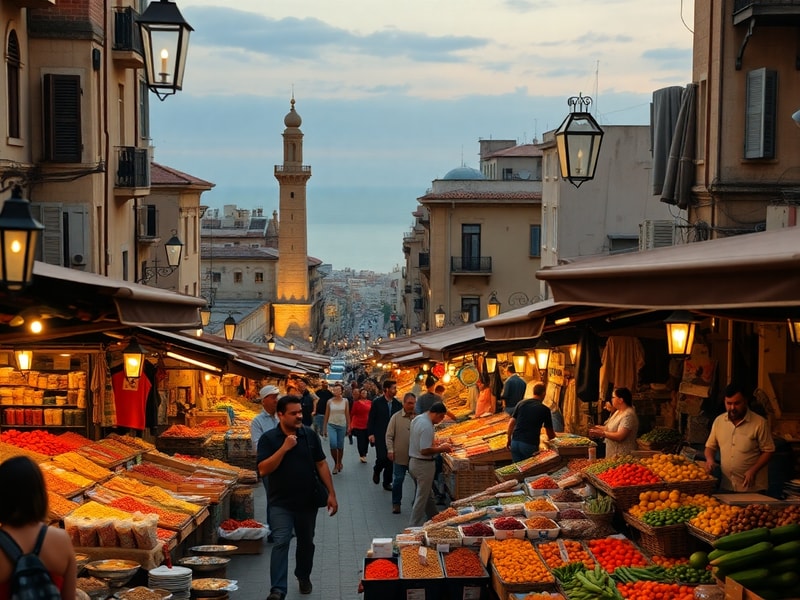
Beirut: A City of Resilience, Culture, and Contrasts
“`html
Beirut: A City of Resilience and Contrasts
Beirut, the capital of Lebanon, stands as a testament to human endurance and cultural richness. Straddling the Mediterranean Sea, the city blends ancient history with modern dynamism, offering a unique experience to visitors and residents alike. Its layered streets echo with stories of Phoenician traders, Ottoman governors, French colonial architects, and contemporary entrepreneurs. The city’s resilience has been tested repeatedly—through civil war, economic collapse, and catastrophic explosions—but Beirut’s spirit remains unbroken.
This article explores Beirut through multiple lenses: its historical significance, its cultural vibrancy, its architectural contradictions, and its ongoing challenges. By examining these facets, we gain a deeper appreciation for a city that refuses to be defined by its struggles alone.
The Historical Tapestry of Beirut
Beirut’s history stretches back over 5,000 years, making it one of the oldest continuously inhabited cities in the world. The Phoenicians, who established Beirut as a major port city, left an indelible mark on its identity. Their legacy lives on in the city’s maritime traditions and the ruins of ancient temples that dot the landscape.
Under Roman rule, Beirut flourished as a center of learning and law. The city’s law school was renowned throughout the empire, and its strategic location made it a crossroads of commerce and culture. Even today, remnants of this golden age can be seen in the Roman Baths and the remnants of the ancient city walls.
The Ottoman era introduced new architectural styles and a blend of cultures that still define Beirut’s urban fabric. From the 16th to the early 20th century, the city became a melting pot of Arab, Turkish, and European influences. This period is perhaps most visibly represented in the narrow streets of the historic Gemmayzeh and Mar Mikhael neighborhoods, where Ottoman-era buildings stand alongside modern cafés.
Beirut’s 20th-century history is marked by both progress and turmoil. The French Mandate (1920–1943) brought European-style boulevards and Art Deco buildings, particularly in the downtown area. Independence in 1943 ushered in a golden era, as Beirut became known as the “Paris of the Middle East” for its cosmopolitan lifestyle and vibrant nightlife. However, the 15-year civil war (1975–1990) shattered this image, leaving deep scars on the city’s social and physical landscape.
The Cultural Heartbeat of Beirut
Beirut’s cultural scene is as diverse as its history. The city is home to a thriving arts community, with galleries, theaters, and music venues that showcase both local and international talent. The Beirut Art Fair, launched in 2018, has become a major event on the global art calendar, drawing collectors and artists from around the world.
Music is another cornerstone of Beirut’s cultural identity. The city has produced legendary musicians like Fairuz, a national icon whose songs are sung across the Arab world. Today, indie bands and electronic music producers find inspiration in Beirut’s eclectic mix of sounds, from traditional Arabic melodies to modern hip-hop and rock.
Literature also thrives in Beirut, with bookstores like Al Saqi and Paper Chase serving as hubs for intellectual exchange. The city’s writers, including Amin Maalouf and Hanan al-Shaykh, have gained international acclaim for their works that explore themes of identity, war, and resilience.
The culinary scene in Beirut is equally impressive, blending traditional Lebanese dishes with innovative fusion cuisine. From street food staples like falafel and shawarma to high-end restaurants offering modern Lebanese gastronomy, the city caters to every palate. The Beirut Wine Festival, held annually at the historic Chateau Musar, celebrates Lebanon’s burgeoning wine industry, which dates back to Phoenician times.
The Architectural Paradox: Old and New
Beirut’s architecture is a living museum of its turbulent history. The city is a patchwork of styles, where ancient ruins stand beside Ottoman mansions, French colonial buildings, and modern skyscrapers. This architectural diversity reflects the layers of civilization that have shaped Beirut over millennia.
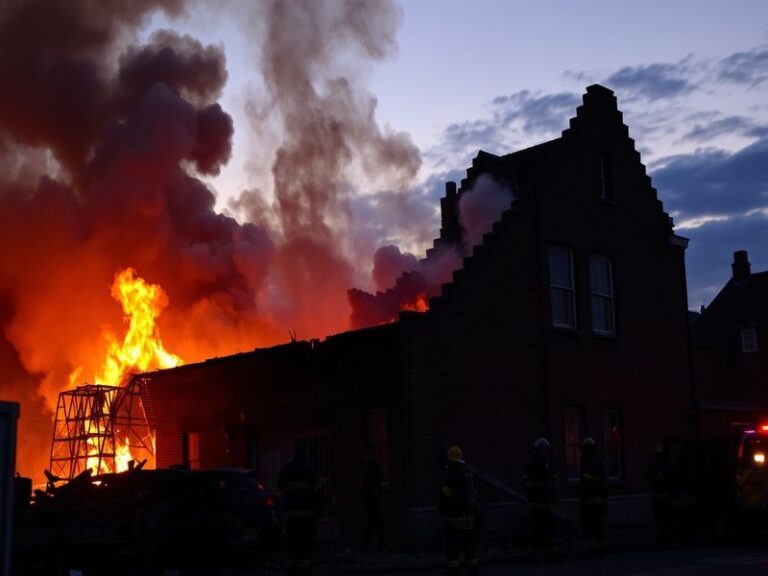
However, this diversity also highlights one of the city’s greatest challenges: the tension between preservation and development. The 2020 Beirut Port explosion, which killed over 200 people and damaged thousands of buildings, exacerbated this issue. The blast destroyed historic structures in the downtown area, including the iconic Mohammad Al-Amin Mosque and the Sursock Museum, a 19th-century palace turned contemporary art space.
In the aftermath of the explosion, debates raged over whether to rebuild or restore. Some argued for a return to the city’s pre-war aesthetic, while others advocated for modern designs that reflect Beirut’s evolving identity. The government’s recovery plan, known as “Horizon 2030,” aims to revitalize the downtown area while preserving its cultural heritage. Yet, progress has been slow, and many residents remain skeptical about the government’s commitment to reconstruction.
Despite these challenges, Beirut’s architectural resilience is evident in the efforts of local organizations and activists. Groups like “Save Beirut Heritage” have campaigned to protect historic buildings from demolition, while architects and urban planners are exploring adaptive reuse projects that blend old and new. For example, the “Beirut Souks” project, completed in 2009, transformed the city’s ancient market district into a modern shopping and dining hub while preserving its historic charm.
Beirut’s Ongoing Challenges and Future Hopes
Beirut today faces a confluence of crises that threaten its stability and prosperity. The economic collapse that began in 2019 has left the Lebanese pound in freefall, with inflation rates exceeding 200%. This has plunged much of the population into poverty, with basic goods like medicine and fuel becoming scarce. The banking sector, once a pillar of the city’s financial strength, is in shambles, and many Lebanese have lost their life savings.
The political landscape is equally fraught. Lebanon’s sectarian power-sharing system, established during the civil war, has led to chronic corruption and inefficiency. Protests erupted in 2019, with demonstrators demanding an end to the ruling elite’s grip on power. Yet, despite widespread anger, meaningful reform has been elusive. The 2022 parliamentary elections saw a shift in the balance of power, with independent candidates gaining ground, but the entrenched political class remains firmly in control.
Amid these challenges, Beirut’s residents continue to display remarkable resilience. Grassroots initiatives, such as community kitchens and solidarity networks, have emerged to support those most affected by the crises. The city’s youth, in particular, are driving a cultural renaissance, with new collectives forming to address social issues through art, music, and activism.
The future of Beirut hinges on several key factors. First, political reform is essential to address corruption and restore public trust. Second, economic recovery will require international assistance and structural changes to stabilize the currency and rebuild the banking sector. Third, cultural and social initiatives must be supported to preserve Beirut’s identity and foster a sense of unity among its diverse communities.
For visitors, Beirut remains a city of contrasts—where ancient history and modern struggles coexist in a vibrant, chaotic dance. Whether exploring the ruins of the Roman Baths, sipping coffee in a Gemmayzeh café, or witnessing a protest in Martyrs’ Square, one thing is clear: Beirut is not just a city, but a living testament to the endurance of the human spirit.
Explore More About Beirut
If you’re interested in learning more about Beirut’s history, culture, or travel tips, check out these related articles on Dave’s Locker Travel:
- “Top 5 Historical Sites to Visit in Beirut” – A guide to the city’s most iconic landmarks.
- “Beirut by Night: Where to Experience the City’s Legendary Nightlife” – A look at the best bars, clubs, and live music venues.
- “A Taste of Lebanon: Must-Try Dishes in Beirut” – An introduction to the city’s culinary delights.
Conclusion
Beirut is a city that defies easy categorization. It is at once ancient and modern, resilient and fragile, hopeful and despairing. Its streets tell stories of triumph and tragedy, of creativity and corruption, of unity and division. Yet, through it all, Beirut endures—a city that refuses to be defined by its struggles alone.
For those who visit or call it home, Beirut offers a profound lesson in resilience. It is a reminder that cities, like people, are shaped by their past but not confined by it. As Beirut continues to rebuild and redefine itself, it stands as a beacon of hope for other cities facing their own challenges. In a world where many places are struggling to find their footing, Beirut’s story is one of enduring spirit—and that is worth remembering.