Denmark vs Ukraine: Tactical Clash and Historic Rivalry Explained
“`html
Denmark vs Ukraine: A Matchup With High Stakes and Historic Context
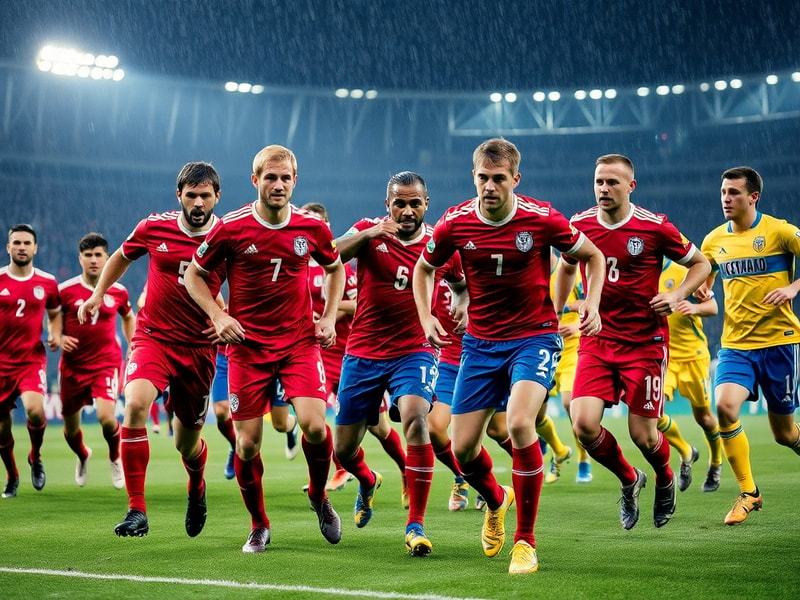
When Denmark and Ukraine face off on the football pitch, the encounter transcends mere sporting competition. It becomes a collision of football philosophies, historical narratives, and tactical evolution. Denmark, known for its structured, disciplined approach, meets Ukraine, a team that blends technical flair with resilient pragmatism under pressure. This matchup has grown in significance over the past decade, especially in European competitions, where both sides have pushed each other to the edge of progress.
The Tactical Battle: Structure Meets Fluidity
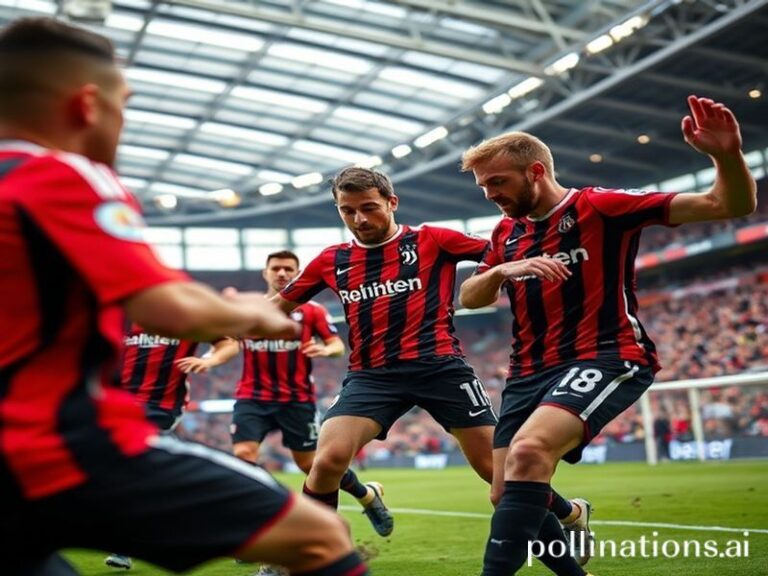
Denmark’s football identity has been shaped by a blend of Scandinavian pragmatism and modern tactical sophistication. Under Kasper Hjulmand, the Danes have refined a 4-3-3 system that emphasizes compactness, quick transitions, and positional discipline. Their midfield trio—often featuring players like Pierre-Emil Højbjerg and Christian Eriksen—functions as a metronome, controlling tempo and dictating play from deep positions. When in possession, Denmark prioritizes verticality, using overlapping full-backs and direct forward passes to exploit space behind opposing defenses.
Ukraine, on the other hand, presents a more fluid and unpredictable challenge. Under Serhiy Rebrov, the team has adopted a flexible 4-2-3-1 that can morph into a 3-5-2 in defensive phases. Ukrainian football thrives on individual creativity—players like Andriy Yarmolenko and Oleksandr Zinchenko excel in half-spaces, combining technical skill with late runs into the box. Their strength lies in transitional moments: rapid counter-attacks that exploit disorganized defenses, often catching opponents off-guard. Where Denmark relies on system and repetition, Ukraine thrives on improvisation and explosiveness.
The tactical contrast sets the stage for a fascinating duel. Denmark’s ability to compress the pitch and suffocate opponents may be tested by Ukraine’s willingness to absorb pressure and strike on the break. The key battle could unfold in midfield, where Denmark’s structured trio may face Ukraine’s more reactive double pivot—especially if Zinchenko and Mykhaylo Mudryk are given license to drift and combine.
Historical Context: From Friendlies to High-Stakes Showdowns
The rivalry between Denmark and Ukraine is relatively young but has already produced memorable moments. Their first competitive meeting came in the 2013 UEFA European Under-21 Championship qualifiers, where Denmark edged out Ukraine on aggregate. Since then, the two sides have met five times across various competitions, with Denmark holding a narrow 3–2 lead in wins. However, Ukraine has shown clear signs of progression, particularly in their recent performances in the UEFA Nations League and Euro qualifiers.
The most notable clash came in the 2020 UEFA European Championship, where Denmark and Ukraine were drawn in the same group. Denmark, playing with emotional resonance following Christian Eriksen’s cardiac arrest during their first match against Finland, defeated Ukraine 4–1 in a dominant display. The game highlighted Denmark’s mental resilience and tactical maturity, qualities that have become hallmarks of their modern identity.
Beyond results, the matchup carries symbolic weight. Denmark represents a small nation with a strong footballing culture built on community, development, and collective effort. Ukraine, meanwhile, plays with the weight of a war-torn nation on its shoulders, using football as both escapism and a source of national pride. Every match becomes more than a game—it’s a statement of resilience and identity.
Key Factors That Could Decide the Outcome
When these two teams meet, several key factors often determine the result. Here’s what to watch:
- Midfield control: Denmark’s ability to dominate possession and tempo will rely on Højbjerg and Eriksen dictating the rhythm. If Ukraine’s Zinchenko and Mudryk can disrupt that rhythm through pressing or quick transitions, Denmark’s structure may falter.
- Defensive organization: Denmark’s back four is highly structured, but Ukraine’s forwards—particularly Viktor Tsygankov and Dmytro Dovbyk—are physical and intelligent in movement. Missteps in defensive shape could be punished.
- Set-piece threat: Both teams are dangerous from dead-ball situations. Ukraine’s height advantage in defense (with players like Yaroslav Rakitskiy) could prove crucial in aerial duels, while Denmark’s Eriksen remains a constant threat from free kicks.
- Mental resilience: Given the broader context for both teams—Denmark’s recent tournament consistency and Ukraine’s ongoing fight for international recognition—mental fortitude could be the deciding factor in tight games.
Broader Implications: What This Matchup Means for European Football
The Denmark vs Ukraine fixture is more than a football match—it’s a microcosm of modern European football. Denmark represents the rise of structured, data-driven football from smaller nations, a model that has seen them consistently compete at the highest level despite limited resources. Their success has inspired other Nordic teams to adopt similar philosophies, prioritizing development pathways and tactical clarity over star power.
Ukraine, meanwhile, embodies the resilience of football in the face of adversity. The war has disrupted their domestic league, scattered their talent across Europe, and forced them to rebuild under intense scrutiny. Yet, they continue to punch above their weight, proving that football can be a unifying force even in the darkest times. Their progress reflects a broader trend in European football, where nations without traditional powerhouse status are redefining success through tactical innovation and mental strength.
For European football as a whole, this matchup underscores the growing competitiveness outside the traditional “Big Five” leagues. Teams like Denmark and Ukraine are no longer content to be underdogs—they are architects of their own destiny, using football as a platform for national pride and global recognition. Their encounters serve as a reminder that in modern football, identity and preparation matter just as much as reputation.
Conclusion: A Clash of Ideals on the Pitch
Denmark vs Ukraine is more than a football match—it’s a collision of footballing philosophies, historical narratives, and modern ambitions. Denmark brings structure, discipline, and consistency, while Ukraine offers fluidity, creativity, and resilience. The outcome will hinge on which philosophy can impose its will in high-pressure moments.
Regardless of the result, both teams emerge as winners in the broader context of European football. Denmark continues to prove that small nations can compete with the best through intelligent football and strong development systems. Ukraine, meanwhile, carries the torch for nations fighting not just on the pitch, but in the world beyond it. Their football is a defiant act of hope.
As the two teams prepare to face off again, one thing is clear: football at this level is never just about points or rankings. It’s about identity, pride, and the relentless pursuit of excellence. And in that pursuit, Denmark and Ukraine are both leading the way.
For fans of the game, this fixture offers a masterclass in contrasting styles and a reminder of why football remains the world’s most beloved sport.