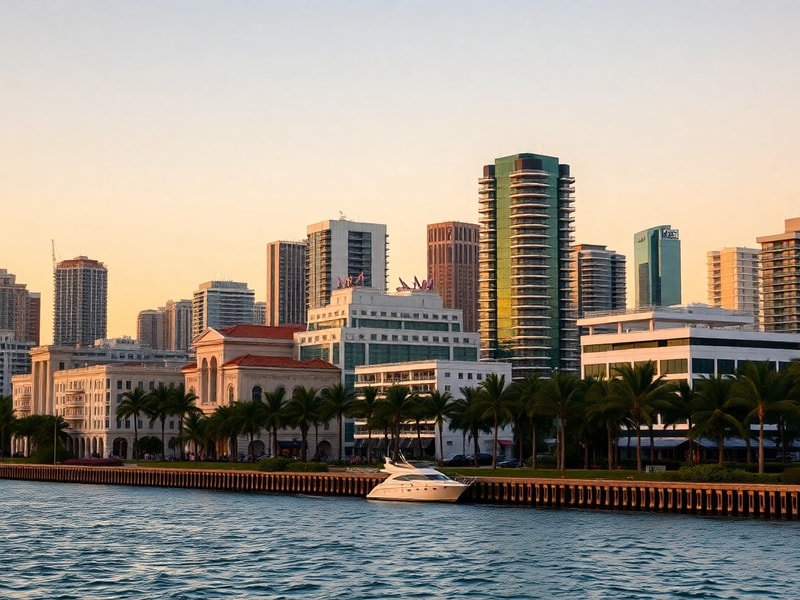
Miami-Dade County is more than just the southern tip of the Florida peninsula—it’s a dynamic hub where culture, commerce, and community intersect. As the most populous county in Florida and the seventh-most populous in the United States, Miami-Dade shapes the economic and cultural trajectory of the Sunshine State. Its influence extends far beyond its sandy beaches and Art Deco skyline, touching industries from international trade to entertainment.
The county’s unique position as a gateway between the Americas makes it a critical player in global business. PortMiami, one of the busiest cruise and cargo ports in the world, serves as a vital link for trade between North America, Latin America, and beyond. Meanwhile, Miami International Airport (MIA) connects travelers to over 160 destinations worldwide, reinforcing Miami-Dade’s role as a crossroads of the western hemisphere. This infrastructure doesn’t just facilitate movement—it fuels economic growth and cultural exchange.
The Economic Engine of South Florida
Miami-Dade’s economy is a powerhouse, driven by diverse industries that collectively generate over $100 billion in annual economic output. Tourism remains a cornerstone, with millions flocking to the county each year to experience its world-famous beaches, nightlife, and cultural events. However, the economy’s breadth extends well beyond hospitality. The county is home to a thriving financial sector, with major banks and fintech companies establishing operations in Miami to capitalize on its international connections.
Real estate is another key driver of growth. The county’s population has surged by nearly 15% over the past decade, outpacing the national average. This influx has led to a construction boom, with new residential and commercial developments reshaping the skyline. Yet, the rapid expansion has also sparked debates over affordability and gentrification, particularly in neighborhoods like Little Havana and Wynwood.
Key sectors contributing to Miami-Dade’s economic vitality include:
- International Trade: Miami-Dade is the top U.S. customs district by value of trade with Latin America and the Caribbean, handling over $100 billion in goods annually.
- Aviation and Logistics: PortMiami and MIA together support over 500,000 jobs in the region.
- Technology and Innovation: The county has become a magnet for startups and tech companies, earning the nickname “Silicon Beach.”
- Healthcare and Life Sciences: Major hospitals and research institutions, such as the University of Miami Health System, drive advancements in medical care.
- Arts and Entertainment: From the Pérez Art Museum to the annual Art Basel festival, Miami-Dade’s cultural scene attracts global attention.
For those interested in the intersection of business and culture in Miami-Dade, explore more on Dave’s Locker News.
Cultural Tapestry: A Global Melting Pot
Miami-Dade’s identity is defined by its diversity. Over 60% of the county’s residents are of Hispanic or Latino descent, with large communities hailing from Cuba, Colombia, Venezuela, and beyond. This rich cultural mosaic is reflected in everything from the vibrant murals of Wynwood to the authentic eateries lining Calle Ocho in Little Havana.
The county’s culinary scene is a testament to its global influences. Whether it’s a Cuban sandwich in a family-owned cafetería or a Michelin-starred meal in a waterfront restaurant, Miami-Dade offers a gastronomic journey that spans continents. Festivals like the Miami Spice Food Festival and the South Beach Wine & Food Festival celebrate this diversity, drawing food enthusiasts from around the world.
Beyond food, Miami-Dade’s cultural contributions are evident in its music, art, and festivals. The county has long been a breeding ground for Latin music, from the mambo craze of the 1950s to the global reggaeton explosion of today. Venues like the Adrienne Arsht Center and the Fillmore Miami Beach host performances that range from symphonies to hip-hop, while institutions like the Frost School of Music at the University of Miami nurture the next generation of talent.
Art Basel Miami Beach, held annually in December, is perhaps the most visible manifestation of the county’s cultural clout. The event transforms the city into a global art capital, attracting collectors, artists, and celebrities. But the influence of Miami-Dade’s art scene isn’t confined to one week a year. Galleries in the Design District and the Rubell Museum showcase contemporary works that challenge and inspire.
Challenges and Opportunities
Despite its many strengths, Miami-Dade faces significant challenges. Climate change poses an existential threat, with rising sea levels and intensifying hurricanes putting the county’s infrastructure and residents at risk. Local leaders are investing in resilience projects, such as the Stormwater Master Plan, to mitigate these risks. However, the urgency of the situation demands sustained action at all levels of government and community engagement.
Another pressing issue is housing affordability. The median home price in Miami-Dade has risen by over 50% in the past five years, outpacing wage growth and pushing long-time residents out of neighborhoods they’ve called home for generations. Initiatives like the Miami-Dade Affordable Housing Trust Fund aim to address this crisis, but the scale of the problem requires innovative solutions and collaboration between public and private sectors.
Social equity remains a critical focus as well. While Miami-Dade’s economy thrives, disparities in income, education, and healthcare persist. The COVID-19 pandemic highlighted these inequities, with communities of color bearing a disproportionate burden of illness and economic hardship. Efforts to close these gaps include expanding access to broadband internet, improving public transportation, and supporting minority-owned businesses.
Yet, for all its challenges, Miami-Dade’s resilience and adaptability are undeniable. The county has repeatedly demonstrated its ability to reinvent itself, whether through diversifying its economy or fostering grassroots movements to address social issues. This adaptability positions Miami-Dade as a model for other metropolitan areas grappling with similar challenges.
Looking Ahead: The Future of Miami-Dade
The next decade will be pivotal for Miami-Dade as it navigates the complexities of growth, equity, and sustainability. One area of promise is the expansion of public transit. The Brightline rail service, which connects Miami to Orlando, is a step toward reducing reliance on cars and easing congestion. Future phases of the system could extend service to other parts of the county, integrating more communities into the regional economy.
Sustainability initiatives are also gaining momentum. The county’s commitment to achieving carbon neutrality by 2050 aligns with global efforts to combat climate change. Projects like the Miami-Dade County Sea Level Rise Strategy and the adoption of renewable energy sources signal a forward-thinking approach. However, balancing economic development with environmental stewardship will require careful planning and community input.
Miami-Dade’s role on the world stage will continue to evolve as well. The county’s strategic location and cultural appeal make it a prime candidate for leadership in emerging industries, such as clean energy and biotechnology. Collaborations between universities, businesses, and government could position Miami-Dade as a hub for innovation, attracting talent and investment from around the globe.
For deeper analysis on how Miami-Dade is positioning itself for the future, check out Dave’s Locker Analysis.
In the end, Miami-Dade’s story is one of perpetual motion—a place where the past and future collide in a vibrant, ever-changing landscape. Its challenges are formidable, but so too are its opportunities. As the county continues to evolve, it will undoubtedly remain a bellwether for the broader trends shaping America and the world.