NHL Playoffs Explained: How Teams Battle for the Stanley Cup
“`html
NHL Playoffs: The Pursuit of the Stanley Cup
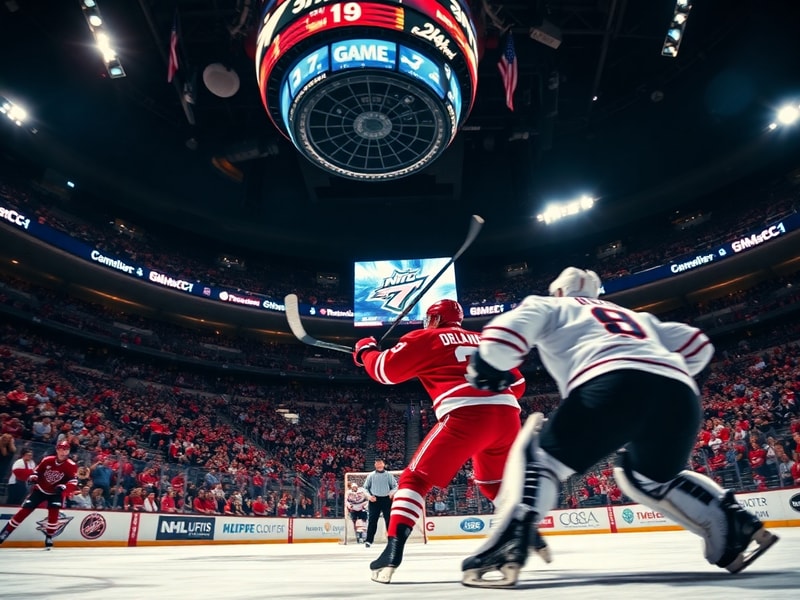
The National Hockey League (NHL) playoffs represent the pinnacle of professional hockey, where the best teams battle through a grueling, seven-game series format to claim the ultimate prize: the Stanley Cup. Unlike the regular season, where consistency matters most, the postseason demands clutch performances, strategic adjustments, and mental toughness. This year’s race is no exception, with underdogs rising, powerhouses faltering, and storylines unfolding in real time.
The Playoff Format: How Teams Earn Their Spot
The NHL playoffs consist of 16 teams—eight from the Eastern Conference and eight from the Western Conference. The top three teams in each division automatically qualify, while the next two spots in each conference are filled by the next two highest-ranked teams based on total points. This setup ensures a mix of division winners and wild-card entries, adding unpredictability to the race.
Once the field is set, the playoffs unfold in four rounds:
- First Round: Division matchups (1 vs. WC2, 2 vs. WC1, 3 vs. 4)
- Second Round: Division finals (winners advance)
- Conference Finals: Eastern and Western Conference champions face off
- Stanley Cup Final: The last two teams compete in a best-of-seven series
The intensity ramps up quickly. Home-ice advantage plays a critical role, as the higher-seeded team hosts Games 1, 2, and 5 (if necessary). Momentum shifts can happen abruptly, as momentum often hinges on goaltending, special teams, and coaching decisions.
Key Storylines Shaping This Year’s Playoff Race
The NHL landscape is always evolving, but this season has introduced fresh dynamics. The rise of young talent, coaching changes, and unexpected underdog runs have kept fans on the edge of their seats. Here are the biggest factors influencing the playoff picture:
- Goaltending Stability: Teams with reliable netminders—like Andrei Vasilevskiy in Tampa or Igor Shesterkin in New York—hold a significant edge. Goaltending often determines playoff success more than any other factor.
- Injury Impact: Long-term absences, such as a star player going down with an injury, can derail a season. Teams like the Colorado Avalanche have had to adjust their strategies due to key personnel missing time.
- Coaching Adjustments: Some teams have switched systems mid-season, leading to improved defensive structures or offensive creativity. Adaptability is crucial in a short playoff series.
- Rookie Breakouts: First-year players making an immediate impact, such as Connor Bedard in Chicago or Matvei Michkov in Philadelphia, add unpredictability to playoff matchups.
- Trade Deadline Moves: Last-minute deals can reshape a team’s playoff chances. The acquisition of a veteran defenseman or a scoring winger often serves as a catalyst for deep postseason runs.
Why the Playoffs Feel Different from the Regular Season
The NHL playoffs are a different beast entirely. The regular season is a marathon, but the playoffs are a sprint—where every game could be the last, and fatigue compounds quickly. The intensity is palpable, with players elevating their game to another level. Even the best teams can falter under the pressure of sudden-death hockey.
One of the most fascinating aspects of playoff hockey is the rise of role players. While stars like Connor McDavid and Auston Matthews dominate headlines, unsung heroes like Nick Bonino or a breakout goaltender often steal the show. These players thrive in high-pressure situations, delivering clutch goals or acrobatic saves when it matters most.
Another defining feature is the physicality. The playoffs see an increase in hard checks, fights, and battles along the boards. Teams that can impose their will physically—while maintaining discipline—often gain a crucial advantage. The difference between winning and losing can come down to a single hit or a scramble in front of the net.
The Bigger Picture: What Playoff Hockey Means for the NHL
The NHL playoffs are more than just a tournament—they’re a cultural event. For fans, they represent hope, heartbreak, and everything in between. For the league, they’re a chance to showcase the best of the sport, attracting new viewers and re-engaging casual fans. The Stanley Cup Final, in particular, draws massive television ratings, rivaling other major sporting events.
Financially, the playoffs are a boon for the league. Ticket prices surge, merchandise sales spike, and sponsorship deals gain visibility. Broadcasters like ESPN and TNT invest heavily in playoff coverage, ensuring the games reach the widest possible audience. The NHL’s push for global expansion also benefits, as international markets tune in to watch the action.
Beyond the business side, the playoffs reinforce hockey’s reputation for drama. No other sport offers the same level of unpredictability, where a single bounce of the puck or a deflected shot can change the course of a series. The historic comebacks, the overtime heroes, and the unforgettable moments create lasting memories for fans.
For teams, the playoffs are the ultimate validation. A deep run can cement a franchise’s legacy, while a first-round exit can spark years of soul-searching. Coaches, players, and executives all face scrutiny as they navigate the highs and lows of postseason hockey.
Where to Follow the NHL Playoffs
For the latest updates, analysis, and exclusive content, fans can turn to Dave’s Locker News for real-time coverage of the NHL playoffs. Whether it’s breaking news on injuries, trade rumors, or in-depth breakdowns of key matchups, staying informed is easier than ever. For a deeper look at player performances and fantasy insights, Dave’s Locker Analysis offers expert takes on the most pressing storylines.
Final Thoughts: The Road to the Stanley Cup
The NHL playoffs are a testament to the sport’s unpredictability and passion. As teams battle for supremacy, the stakes couldn’t be higher. The Stanley Cup isn’t just a trophy—it’s a symbol of excellence, resilience, and the relentless pursuit of greatness.
This year’s playoffs promise to deliver the same thrills and heart-stopping moments fans have come to expect. Whether it’s a veteran captain hoisting the Cup for the first time or a rookie sensation stealing the spotlight, the NHL’s postseason remains unmatched in its ability to captivate audiences worldwide.
For those who love the game, the playoffs are more than a tournament—they’re a celebration of everything that makes hockey special.