St. Petersburg International Economic Forum: A Global Stage for Economic Dialogue
The St. Petersburg International Economic Forum (SPIEF) stands as one of the most significant annual gatherings for global economic discourse. Since its inception in 1997, the event has evolved into a pivotal platform where policymakers, business leaders, and innovators converge to discuss pressing economic challenges and opportunities. Held in Russia’s cultural capital, SPIEF blends high-stakes diplomacy with cultural exchange, offering a unique lens into the intersection of economics and global affairs.
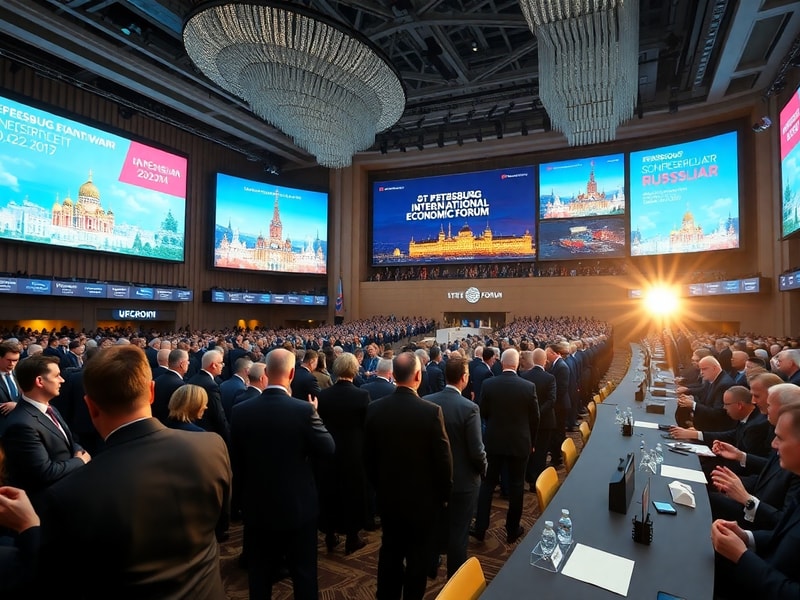
This year’s forum, held in early June, drew over 17,000 participants from 140 countries, including heads of state, CEOs, and representatives from international organizations. The event’s agenda spanned critical topics such as sanctions, energy transitions, and digital transformation, reflecting the complex geopolitical and economic landscape of the moment. For attendees, SPIEF is more than a conference—it’s a barometer of global economic sentiment.
The Forum’s Role in Shaping Economic Narratives
SPIEF has long served as a stage for Russia to articulate its economic priorities on the world stage. Unlike other forums that focus solely on Western perspectives, SPIEF provides a platform for dialogue with regions often underrepresented in global economic discussions, such as Africa, Asia, and the Middle East. This inclusivity fosters a more balanced exchange of ideas, particularly as traditional power structures in global economics continue to shift.
One of the forum’s defining features is its ability to adapt to rapidly changing economic conditions. For instance, the 2022 edition took place against the backdrop of Russia’s isolation from Western markets, forcing a pivot toward discussions on import substitution, technological sovereignty, and new trade alliances. By 2024, the conversation had expanded to include the role of artificial intelligence in economic development, sustainable energy transitions, and the future of global supply chains.
The forum’s agenda is meticulously curated to reflect the most pressing issues of the day. Sessions are organized around themes such as:
- Geopolitical Tensions and Economic Resilience: How nations navigate sanctions, trade wars, and shifting alliances.
- Energy Security and Transition: The role of hydrocarbons in a decarbonizing world and the rise of alternative energy sources.
- Digital Economy and Innovation: The impact of AI, blockchain, and digital currencies on global markets.
- Infrastructure and Connectivity: The role of physical and digital infrastructure in fostering economic growth.
These themes are not merely theoretical—they directly influence investment decisions, policy frameworks, and corporate strategies worldwide. For businesses, SPIEF offers a rare opportunity to engage with policymakers in a setting where decisions are made behind closed doors can be openly debated in public.
Cultural Diplomacy: The Unseen Thread of SPIEF
Beyond its economic significance, SPIEF is a celebration of St. Petersburg’s role as a cultural crossroads. The city’s imperial architecture, artistic heritage, and vibrant cultural scene provide a striking contrast to the often dry, technical discussions of global economics. This juxtaposition is intentional. Organizers recognize that economic forums thrive when they engage participants on multiple levels—intellectually, professionally, and culturally.
Cultural events, such as concerts, art exhibitions, and film screenings, are woven into the forum’s schedule. These events serve a dual purpose: they humanize the economic discussions and foster informal networking opportunities. For example, a panel on sanctions might be followed by a performance of Russian classical music, offering attendees a moment of reflection amid the intensity of debate.
This blend of high-level economic discourse and cultural exchange is not unique to SPIEF. Similar forums, such as the World Economic Forum in Davos, have long incorporated cultural elements into their programming. However, SPIEF’s approach is distinct in its embrace of Russia’s cultural identity. The forum often highlights Russian contributions to global art, literature, and technology, reinforcing the idea that economic progress is inseparable from cultural vitality.
For international attendees, this cultural immersion is often cited as one of the most memorable aspects of the forum. It provides a deeper understanding of Russia’s perspective and fosters connections that extend beyond the conference halls.
The Future of SPIEF: Adapting to a Changing World
The St. Petersburg International Economic Forum is not immune to the forces reshaping the global economy. As geopolitical tensions fluctuate and technological disruption accelerates, the forum must continually reinvent itself to remain relevant. One of the most pressing challenges is balancing inclusivity with the realities of a fragmented global order.
In recent years, SPIEF has made efforts to expand its outreach to non-Western economies. The forum’s partnership with organizations such as the African Union and the Association of Southeast Asian Nations (ASEAN) reflects a broader shift toward multipolar economic governance. This approach aligns with Russia’s foreign policy goals of strengthening ties with the Global South and diversifying its economic partnerships.
Another area of focus is sustainability. While SPIEF has traditionally been dominated by discussions of oil, gas, and heavy industry, there is growing recognition of the need to address climate change and environmental degradation. The 2024 forum featured several sessions on green energy, circular economies, and the role of corporations in achieving net-zero emissions. These discussions are not merely symbolic; they reflect the increasing pressure on businesses to align their operations with global sustainability goals.
The forum’s ability to evolve will determine its long-term relevance. As supply chains reconfigure, digital economies expand, and new power centers emerge, SPIEF must continue to serve as a bridge between competing economic visions. For participants, the forum offers a chance to navigate these changes—not as passive observers, but as active participants in shaping the future of global economics.
Why SPIEF Matters Beyond the Conference Halls
The impact of SPIEF extends far beyond the three days it occupies the streets of St. Petersburg. The deals forged, partnerships established, and ideas exchanged during the forum often ripple through the global economy for years to come. For instance, past editions have seen agreements on major infrastructure projects, technology transfers, and trade partnerships that have reshaped regional economies.
Moreover, SPIEF serves as a litmus test for global economic sentiment. The tone of discussions, the presence or absence of key speakers, and the topics that dominate headlines all provide clues about the direction of the world economy. In 2024, one of the most closely watched moments was the attendance of Chinese President Xi Jinping, whose presence signaled China’s continued commitment to economic engagement with Russia despite Western pressure.
For businesses and investors, SPIEF is an opportunity to gain insights that are not available through traditional channels. The forum’s unique blend of diplomacy and commerce offers a rare glimpse into the priorities of policymakers and the strategies of global corporations. Whether it’s a conversation over coffee or a high-level panel, the connections made at SPIEF can open doors that would otherwise remain closed.
As the world grapples with economic uncertainty, the role of forums like SPIEF becomes ever more critical. They are not just venues for discussion—they are catalysts for action. For those who participate, the experience is transformative, offering a front-row seat to the forces shaping the global economy.
For those unable to attend, the ripple effects of SPIEF can still be felt. The ideas discussed, the deals brokered, and the partnerships formed often trickle down into the broader economy, influencing everything from stock markets to local businesses. In this way, SPIEF is more than an event—it’s a global conversation that continues long after the final panel has concluded.