David Sullivan is a name that has become synonymous with British football, media influence, and business acumen over the past few decades. As a co-owner of West Ham United, one of England’s historic football clubs, Sullivan has played a pivotal role in shaping the club’s modern identity. His journey from a working-class background in Wales to becoming a major figure in both sports and media reflects a combination of ambition, risk-taking, and strategic deal-making.
Beyond football, Sullivan’s career spans decades in publishing and entertainment, where he built a reputation as a shrewd businessman. His ventures have often sparked controversy, yet they have also cemented his status as a formidable force in industries where public perception and financial stakes are equally high. To understand Sullivan’s impact, it’s essential to examine his early life, his rise in business, and his controversial yet transformative role in football.
From Cardiff to the Boardroom: Sullivan’s Early Life and Business Beginnings
Born in 1949 in Cardiff, Wales, David Sullivan grew up in a working-class family during a time when economic opportunities were limited. His father worked in a factory, and the family lived modestly, which instilled in Sullivan a drive to improve his circumstances. At 15, he left school and took a job as a messenger boy, a position that required early mornings and long hours. This experience taught him the value of hard work and laid the foundation for his future ambitions.
By the late 1960s, Sullivan had shifted his focus to the adult entertainment industry, a controversial but lucrative sector at the time. He started by distributing magazines and later moved into publishing, founding companies that would eventually dominate the UK’s adult magazine market. His business model relied on understanding consumer demand and exploiting gaps in the market, often pushing boundaries in what was considered acceptable content.
Sullivan’s ventures in publishing were not without legal challenges. In the 1970s and 1980s, his magazines frequently faced scrutiny from authorities over obscenity laws. However, Sullivan navigated these challenges by leveraging legal loopholes and investing in legal defenses, a strategy that not only protected his business but also expanded its reach. This period of his career demonstrated his resilience and ability to turn adversity into opportunity.
West Ham United: Sullivan’s Controversial yet Transformative Ownership
Sullivan’s entry into football ownership began in 2010 when he, along with business partner David Gold, acquired a controlling stake in West Ham United. At the time, the club was struggling financially and had recently been relegated from the Premier League. Sullivan and Gold saw an opportunity to invest in a historic club with a passionate fanbase, despite its precarious position.
One of Sullivan’s first major decisions was to relocate West Ham from their iconic but outdated Upton Park stadium to the London Stadium in Stratford, a move completed in 2016. The relocation was controversial from the start. Fans were divided over the cost, the distance from their traditional home, and the impact on the club’s identity. Sullivan defended the move as a necessary step for financial sustainability, arguing that the modern football landscape required clubs to adapt or risk falling behind.
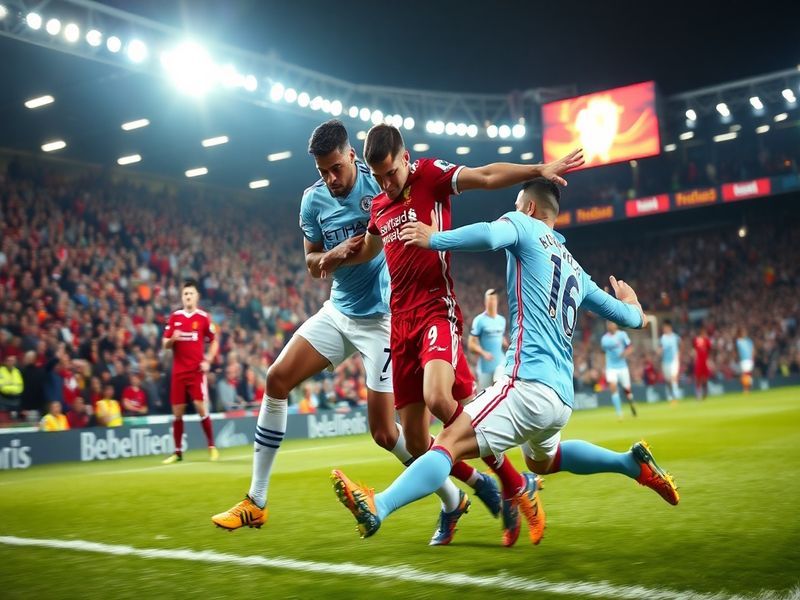
Under Sullivan’s ownership, West Ham has experienced both highs and lows. The club has consistently competed in the Premier League, reached the Europa Conference League final in 2023, and attracted a growing global fanbase. Financially, the club has thrived, with revenue streams diversifying through commercial partnerships and stadium events. However, Sullivan’s leadership style has often drawn criticism. His public statements, particularly on social media, have frequently sparked backlash from fans and pundits alike.
For instance, Sullivan’s outspoken criticism of West Ham’s former manager Manuel Pellegrini in 2019 drew widespread condemnation. His comments were seen as undermining the team and contributing to a toxic atmosphere. Despite these controversies, Sullivan remains a central figure in the club’s operations, and his influence extends beyond football into the broader cultural and economic landscape of East London.
The Business Empire: Sullivan’s Media and Entertainment Ventures
While Sullivan is best known for his role in football, his business interests extend far beyond the pitch. In the 1990s, he expanded his media empire by acquiring entertainment assets, including stakes in television production companies and digital platforms. His approach mirrored his earlier successes in publishing: identify an underserved market, invest aggressively, and leverage synergies across platforms.
One of Sullivan’s most notable media ventures was his involvement with the now-defunct adult entertainment channel Television X. The channel pushed the boundaries of content regulation and became a staple of late-night television in the UK. Sullivan’s willingness to operate in a legally gray area again demonstrated his knack for turning controversy into profit. However, the channel’s eventual decline highlighted the risks of relying on a single, niche market in an era of rapidly changing media consumption habits.
In addition to entertainment, Sullivan has invested in property development, particularly in East London. His projects have often been tied to West Ham’s relocation, with the club’s stadium serving as a catalyst for broader regeneration in the Stratford area. While these developments have brought economic growth to the region, they have also faced criticism for contributing to gentrification and displacing long-term residents.
Sullivan’s business philosophy has always been pragmatic. He prioritizes financial returns and long-term growth over sentimentality, whether in football, media, or property. This approach has made him both admired and vilified, but it has undeniably left a mark on multiple industries.
The Controversies and Public Perception of David Sullivan
No discussion of David Sullivan would be complete without addressing the controversies that have surrounded him throughout his career. From his early days in publishing to his current role at West Ham, Sullivan has frequently found himself at the center of public debates. His unfiltered communication style, particularly on social media, has often exacerbated these issues.
Sullivan’s critics argue that his bluntness and lack of filter reflect a disregard for public relations and stakeholder relations. For example, his 2021 tweet comparing West Ham’s transfer strategy to “buying a second-hand car” drew widespread ridicule and highlighted a disconnect with fans who prioritize on-field success over financial prudence. Such incidents have earned him a reputation as a figure who values his own perspective over the collective good of the clubs and industries he operates in.
Yet, Sullivan’s defenders point to his business acumen and willingness to take bold risks as reasons for his success. They argue that his uncompromising approach has been instrumental in transforming struggling ventures into profitable enterprises. In football, his financial investments have kept West Ham competitive in a league dominated by wealthier clubs. In media, his ventures have pushed the boundaries of what is commercially viable.
Sullivan’s relationship with the media has also been fraught with tension. His ownership of West Ham has made him a frequent target for pundits and journalists, who often portray him as an out-of-touch billionaire. However, Sullivan has consistently used the media as a platform to amplify his own narrative, whether through interviews, social media, or public statements. This strategy has allowed him to control his public image to some extent, despite the controversies.
Looking Ahead: Sullivan’s Legacy and the Future of His Empire
As David Sullivan approaches his mid-70s, questions about his legacy and the future of his business empire are inevitable. His influence on West Ham United is undeniable, but the club’s long-term success will depend on whether his vision aligns with the evolving expectations of modern football. The departure of key figures like David Gold in recent years has also raised questions about the sustainability of his leadership model.
In media and entertainment, Sullivan’s legacy is more ambiguous. While his ventures have been profitable, the industry has shifted dramatically with the rise of streaming and digital content. The adult entertainment market, in particular, has faced declining revenues and increased competition. Sullivan’s ability to adapt to these changes will determine whether his media empire remains relevant in the coming decades.
Regardless of the challenges ahead, Sullivan’s career offers valuable lessons in entrepreneurship, risk-taking, and the power of personal branding. His story is a testament to the idea that success often comes from defying conventions and embracing controversy. Whether in football, media, or business, Sullivan has consistently demonstrated that playing by the rules isn’t always the path to greatness.
For fans of West Ham United, Sullivan’s legacy will be defined by his role in the club’s modern era. Love him or loathe him, his impact on the club and the sport is undeniable. As West Ham continues to navigate the complexities of modern football, Sullivan’s influence will likely be felt for years to come.
Ultimately, David Sullivan’s career is a reminder that success is not a straight path. It is filled with detours, controversies, and unexpected turns. Sullivan’s ability to thrive in such an environment speaks to his resilience and adaptability. As he continues to shape the industries he operates in, one thing is certain: David Sullivan will remain a figure worth watching.