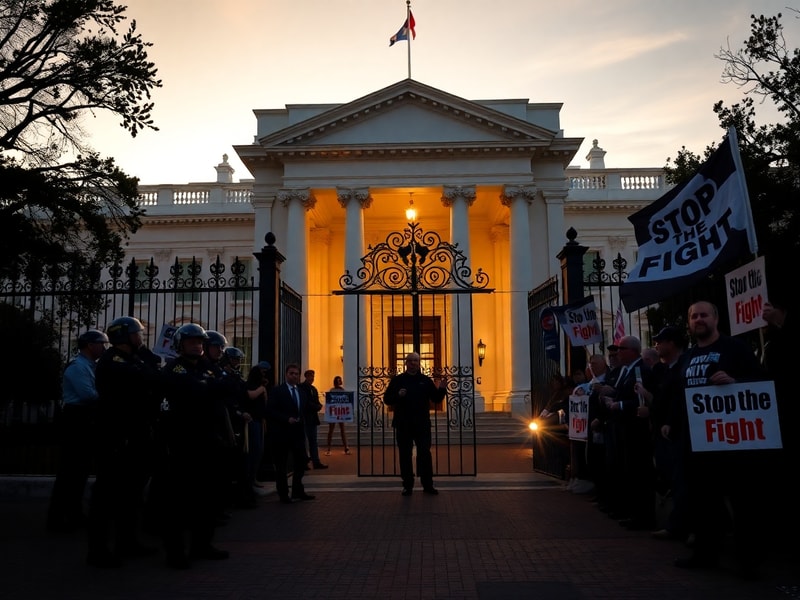
The Ultimate Fighting Championship (UFC) has faced its share of controversy, but a recent lawsuit threatens to derail one of its most high-profile events yet. A coalition of advocacy groups has filed legal action to prevent the planned UFC match from taking place at the White House South Lawn in Washington, D.C. The lawsuit, filed in the U.S. District Court for the District of Columbia, argues that the event violates federal property regulations and raises serious ethical concerns about the use of taxpayer-funded space for commercial sporting events.
The planned fight, which was announced with great fanfare, would have been the first UFC event hosted at such a prominent political venue. Critics argue that the decision undermines the symbolic significance of the White House as a non-partisan public space. Legal experts suggest that the lawsuit could set a precedent for how commercial events are permitted on federal property in the future.
Legal Challenges and Federal Property Concerns
The lawsuit, led by a coalition of public interest groups including the National Parks Conservation Association and the Public Citizen organization, centers on two key arguments. First, they contend that the event violates the National Park Service (NPS) regulations governing the use of federal lands. The White House South Lawn falls under NPS jurisdiction, and commercial activities are typically restricted in such areas unless they serve a clear public benefit.
Second, the plaintiffs argue that the event’s commercial nature conflicts with the ethical standards expected of a national landmark. The UFC, a privately owned company, stands to profit significantly from ticket sales, broadcasting rights, and sponsorship deals. The lawsuit asserts that this commercialization of federal property is inappropriate and sets a dangerous precedent for future events.
Legal analysts point out that the case could hinge on whether the event is deemed a public or private gathering. If classified as a private event, the UFC would likely need to secure permits and potentially pay fees. If deemed a public event, the government might argue that it falls under permissible uses of federal land. The outcome could reshape how commercial entities negotiate access to iconic public spaces.
Cultural and Political Implications of the Fight
The controversy surrounding the UFC event reflects broader cultural tensions about the intersection of sports, politics, and public space. The White House, as a symbol of American democracy, has historically been off-limits for commercial ventures. Hosting a UFC fight there would mark a significant departure from tradition, raising questions about what activities are appropriate in such a hallowed setting.
The UFC, known for its fast-paced, high-intensity combat sports, has grown into a global entertainment powerhouse with a massive following. However, its reputation has also been marred by criticism over athlete safety, performance-enhancing drug scandals, and concerns about the sport’s long-term health impacts. The decision to host an event at the White House has drawn criticism from both sports ethicists and political observers, who question whether the UFC aligns with the values and decorum associated with the presidential residence.
Globally, the event has sparked discussions about the commercialization of public institutions. In countries with strong public land protections, such as Canada and much of Europe, commercial events on government property are rare and heavily scrutinized. The lawsuit against the UFC fight could become a touchstone for debates about how far governments should go in allowing private entities to monetize national landmarks.
Comparisons to Other High-Profile Sporting Events
This isn’t the first time a major sporting event has courted controversy by taking place in an unconventional venue. Consider the following examples:
- Boxing at the Roman Colosseum: In 2022, a boxing match was held inside Rome’s historic Colosseum, drawing criticism for commercializing an ancient cultural site. While the event raised funds for restoration efforts, many argued that the spectacle undermined the monument’s historical significance.
- Wimbledon’s All-England Lawn Tennis Club: The prestigious tennis tournament is held at a private club, but its exclusivity has sparked debates about accessibility and elitism in sports. The UFC’s White House event could face similar scrutiny over who gets to attend and who benefits financially.
- Super Bowl in Glendale, Arizona: While not as controversial, the Super Bowl’s use of public infrastructure for private profit has drawn criticism. The event often requires significant public funding for security and infrastructure, raising questions about the return on investment for taxpayers.
What’s Next for the Lawsuit and the UFC?
The legal battle is just beginning, and the UFC has not yet responded publicly to the lawsuit. Legal experts anticipate a prolonged fight, with both sides likely to present strong arguments. The UFC may argue that the event is a celebration of American sports culture and that the White House South Lawn is a fitting venue for such a spectacle. They could also point to past events held on federal property, such as concerts and public ceremonies, to justify their position.
For the advocacy groups, the lawsuit represents an opportunity to reinforce the boundaries of federal property use. If successful, it could set a precedent that limits the commercialization of public spaces. However, if the UFC prevails, it may open the door to more private events on federal land, potentially transforming how iconic locations are used for entertainment.
The outcome of the lawsuit could also have financial implications for the UFC. If the event is blocked, the organization may face significant losses in anticipated revenue from ticket sales, pay-per-view subscriptions, and sponsorships. Conversely, if the fight proceeds, it could become one of the most-watched UFC events in history, further cementing the organization’s global influence.
The Broader Debate Over Public Space and Commercialization
At its core, the lawsuit raises fundamental questions about the role of public spaces in modern society. As cities and governments seek new revenue streams, the line between public and private use of land is becoming increasingly blurred. The White House South Lawn, a space that has hosted memorials, public ceremonies, and national celebrations, is now at the center of a debate about whether it should also host a commercial sporting event.
Critics argue that the commercialization of public spaces erodes their cultural and historical value. When a venue like the White House is used for profit-driven events, it risks becoming little more than a backdrop for entertainment. Supporters of the UFC fight, however, may contend that such events bring excitement and economic benefits to the surrounding community, justifying their use of public land.
As the legal battle unfolds, it will be worth watching how the broader public responds. Will the controversy galvanize opposition to the event, or will it be seen as an innovative way to engage with national landmarks? The answer may depend on how the UFC and its partners frame the event—and whether they can address the ethical concerns raised by its critics.
The lawsuit to block the UFC fight at the White House is more than just a legal dispute; it’s a reflection of broader societal tensions. As commercial interests increasingly intersect with public institutions, the outcome of this case could influence how we think about the use of taxpayer-funded spaces for decades to come.
Sports enthusiasts and political observers alike will be watching closely as this story develops. The intersection of combat sports and national landmarks is uncharted territory, and the repercussions could extend far beyond the Octagon.