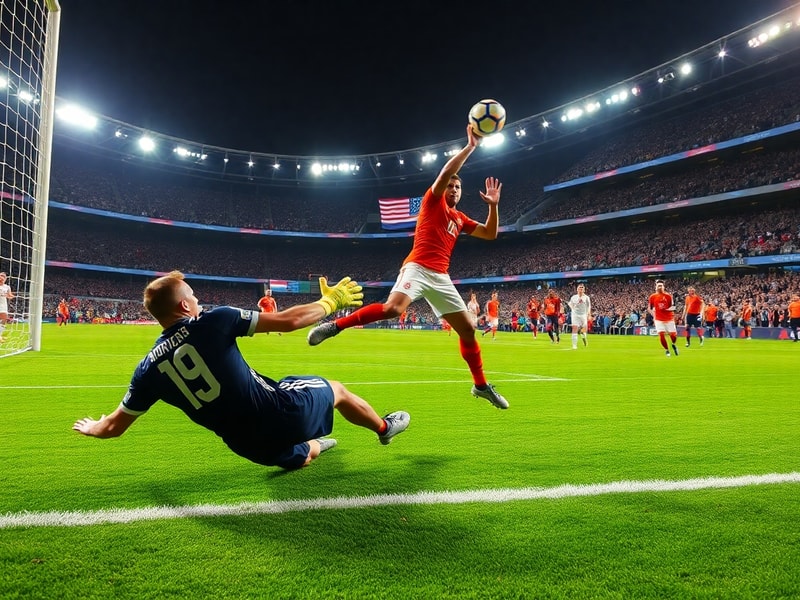
The FIFA World Cup standings are more than just numbers on a table—they tell the story of a tournament’s twists, surprises, and turning points. As teams battle through group stages and knockout rounds, the standings shift with every match, reflecting momentum, strategy, and the unpredictable nature of football. This year’s tournament has already delivered its share of shocks, from underdog victories to defending champions stumbling early.
Understanding World Cup standings requires looking beyond the surface. They’re not just a ranking system; they’re a snapshot of performance, psychology, and even politics in the world’s most-watched sporting event. With the knockout stages approaching, the standings will become even more critical, shaping narratives and determining which teams advance—and which ones go home.
How World Cup Standings Are Calculated
The World Cup standings follow a straightforward yet strategic points system. Teams earn three points for a win, one for a draw, and none for a loss. Beyond points, tiebreakers come into play, including goal difference, goals scored, head-to-head results, and disciplinary records. These rules ensure fairness but also create scenarios where a team can advance despite fewer points if their goal margins are stronger.
For example, in the 2018 World Cup, Japan and Senegal both finished with four points in their group. However, Japan advanced due to a better disciplinary record after both teams had identical goal differences and goals scored. This highlights how standings aren’t just about wins—they’re about the finer details of tournament play.
Key Factors Influencing Standings
- Strength of Schedule: Teams in tougher groups face sterner tests, which can impact their standings even if they perform well against weaker opponents.
- Injuries and Suspensions: A key player’s absence can derail a team’s chances, as seen when Neymar’s injury in 2014 affected Brazil’s performance.
- Managerial Decisions: Tactical choices, such as when to substitute or which formation to use, can swing results and standings.
- Home Advantage: While less relevant in Qatar 2022 due to neutral venues, home tournaments often see teams benefit from crowd support and familiarity.
Standings as a Reflection of Tournament Dynamics
This year’s World Cup has already showcased how standings can shift rapidly. Early upsets, such as Saudi Arabia’s win over Argentina, have disrupted traditional powerhouses’ paths to the knockout stages. These results reshape the tournament’s landscape, forcing teams to adapt their strategies mid-campaign.
For fans, the standings provide a way to track their team’s progress and predict potential matchups in later rounds. For analysts, they offer insights into which teams are peaking at the right time—and which are fading. A team leading its group might face a tougher knockout path than a second-placed team with an easier bracket ahead.
Historical Standings and Their Lessons
Looking back at past tournaments, the standings often reveal patterns. For instance, Germany’s 2014 victory saw them top their group before navigating a relatively favorable knockout path. In contrast, Spain’s 2010 win came after a slow start in the group stage, proving that early struggles don’t always predict failure.
Another example is Belgium’s golden generation in 2018, which topped its group before falling to France in the semifinals. The standings showed Belgium’s consistency, but the knockout stages exposed their defensive vulnerabilities. This underscores how standings alone don’t determine a team’s true strength—they’re just one piece of the puzzle.
What the Standings Mean for Knockout Stages
As the tournament progresses, the standings take on added significance. Teams that finish first in their groups often face second-place teams from adjacent groups, creating potential clashes between different styles of play. For example, a possession-heavy team might struggle against a counterattacking side that topped its group.
The knockout stages are where standout performers can emerge. Players like Kylian Mbappé in 2018 or Harry Kane in 2014 carried their teams deep into the tournament, their performances reflected in their team’s standings. Conversely, stars like Cristiano Ronaldo in 2018 saw their teams exit early, despite individual brilliance.
For bettors and pundits alike, the standings offer clues about which teams are peaking at the right time. A team like Morocco, which topped its group in 2022, became the first African nation to reach the semifinals, defying pre-tournament expectations. Their standings story was one of resilience and tactical discipline.
Predicting the Knockout Stages
- Form Over Reputation: Teams like Japan in 2022 showed that current form can outweigh historical success in the standings.
- Goal Difference Matters: A +5 goal difference might be the difference between facing an easier or harder path in the knockout rounds.
- Knockout Mentality: Some teams excel in group stages but falter under pressure, while others rise to the occasion—standings don’t always predict knockout success.
- Fatigue and Rotation: Teams with deeper squads, like France or Brazil, can manage player workload better, keeping key performers fresh for critical matches.
Broader Implications of World Cup Standings
Beyond the pitch, World Cup standings influence narratives that extend into economics, politics, and culture. A strong performance can boost a country’s global image, attract tourism, and even impact stock markets. For example, Morocco’s 2022 run led to widespread celebrations across Africa and the Arab world, reinforcing the tournament’s role as a unifying force.
For smaller nations, exceeding expectations in the standings can lead to increased investment in football infrastructure. Teams like Costa Rica in 2014 or Iceland in 2016 inspired grassroots development, proving that World Cup success isn’t reserved for traditional powerhouses.
On the flip side, underperformance can lead to soul-searching and changes in leadership. When Germany, four-time winners, crashed out in the group stage in 2018, it sparked debates about the future of German football and led to managerial overhauls. The standings, in this case, became a catalyst for change.
The Role of Technology and Data
Modern World Cup standings are increasingly influenced by data analytics. Teams use advanced metrics to assess opponents, refine tactics, and manage player fitness. The rise of expected goals (xG) models, for instance, helps analysts predict performance trends that might not be immediately visible in the standings.
For fans, data-driven insights add depth to their understanding of the tournament. Platforms like Dave’s Locker Sports provide detailed breakdowns of team performances, player stats, and historical trends, helping enthusiasts interpret the standings with greater clarity.
Conclusion: The Standings Are Just the Beginning
World Cup standings are a fascinating blend of competition, strategy, and storytelling. They capture the highs and lows of a tournament, shaping narratives that extend far beyond the final whistle. While they provide a clear ranking of teams, their true value lies in what they reveal about the game itself—its unpredictability, its emotional weight, and its power to unite or divide.
As the knockout stages unfold, the standings will continue to evolve, offering new surprises and turning underdogs into heroes. For fans, they’re a tool for engagement; for players, a measure of progress; and for the world, a glimpse into the cultural and social significance of football. One thing is certain: the story of the World Cup is far from over, and the standings are just the first chapter.