The Dodgers and Pirates have long stood as polar opposites in Major League Baseball—a contrast not just of record books, but of philosophy, market size, and organizational ambition. When these two franchises clash, the games often reveal more than standings updates. They expose the strategic divides shaping modern baseball, from analytics-driven rosters to the enduring value of player development.
Over the past decade, the Los Angeles Dodgers have become synonymous with sustained excellence, built on a foundation of financial power, analytical rigor, and a willingness to embrace risk. The Pittsburgh Pirates, meanwhile, have undergone a slower transformation—one marked by setbacks, rebuilding, and cautious reinvention. Their recent matchups offer a microcosm of baseball’s broader evolution: where one team leans into the future, the other navigates the tension between tradition and progress.
The Dodgers’ Machine: Consistency Through Strategy
The Dodgers’ dominance is no accident. Since the Guggenheim Partners acquired the team in 2012, Los Angeles has transformed from a perennial contender into a dynasty in the making. With three National League pennants and a World Series title in 2020, the Dodgers have perfected a model built on three pillars: financial flexibility, advanced analytics, and a robust player development system.
At the heart of this approach is the team’s ability to leverage analytics not just in-game, but in roster construction. The Dodgers’ front office, led by President of Baseball Operations Andrew Friedman, has pioneered the use of data to identify undervalued assets—players who may not fit the traditional mold but excel in high-leverage situations. This philosophy extends beyond free agency to trades and drafts, where Los Angeles often secures talent before it peaks.
Consider the 2023 season, when the Dodgers acquired standout reliever Aroldis Chapman mid-year. While critics questioned the move, Chapman’s postseason performance validated the strategy. His ability to suppress left-handed hitters aligned perfectly with the team’s data-driven bullpen management. Such decisions reflect a franchise that views baseball as a puzzle to be solved—not a game to be played by instinct alone.
The Pirates’ Rebuild: Patience Meets Potential
Across the diamond, the Pirates represent a different kind of evolution. After decades of frustration, including 20 consecutive losing seasons from 1993 to 2012, Pittsburgh has slowly rebuilt its identity around young talent and fiscal restraint. The 2023 season offered glimpses of progress, with standout performances from players like Oneil Cruz and Ke’Bryan Hayes, but the team remains a work in progress.
Unlike the Dodgers, the Pirates operate with limited financial firepower. Their payroll consistently ranks among the lowest in MLB, forcing a reliance on player development and shrewd trades. This approach has yielded both rewards and frustrations. On one hand, Pittsburgh’s farm system has produced top-tier prospects, including Cruz, who possesses one of the most electric combinations of power and athleticism in baseball. On the other, the team’s inability to retain homegrown stars—often due to financial constraints—has led to a revolving door of talent.
The Pirates’ recent trades highlight this tension. In 2022, Pittsburgh sent top prospect Bryan Reynolds to the Dodgers in a package for several players, a move that drew criticism at the time but ultimately bolstered the roster. Such transactions underscore the Pirates’ pragmatic approach: when you can’t compete financially, you compete strategically.
Key Takeaways from Recent Dodgers-Pirates Matchups
When Los Angeles and Pittsburgh face off, the games often feel like controlled experiments in contrasting philosophies. The Dodgers’ power-laden lineup clashes with the Pirates’ emphasis on speed and defense, while Los Angeles’ bullpen depth tests Pittsburgh’s ability to manufacture runs. Over their last five meetings in 2023, the Dodgers won four times, but the contests revealed nuanced storylines.
- Pitching Depth vs. Bullpen Reliance: The Dodgers’ bullpen, anchored by Craig Kimbrel and Brusdar Graterol, often stifles late-inning rallies. The Pirates, meanwhile, rely on a mix of young arms and situational relievers, a strategy that can be effective but lacks the consistency of Los Angeles’ approach.
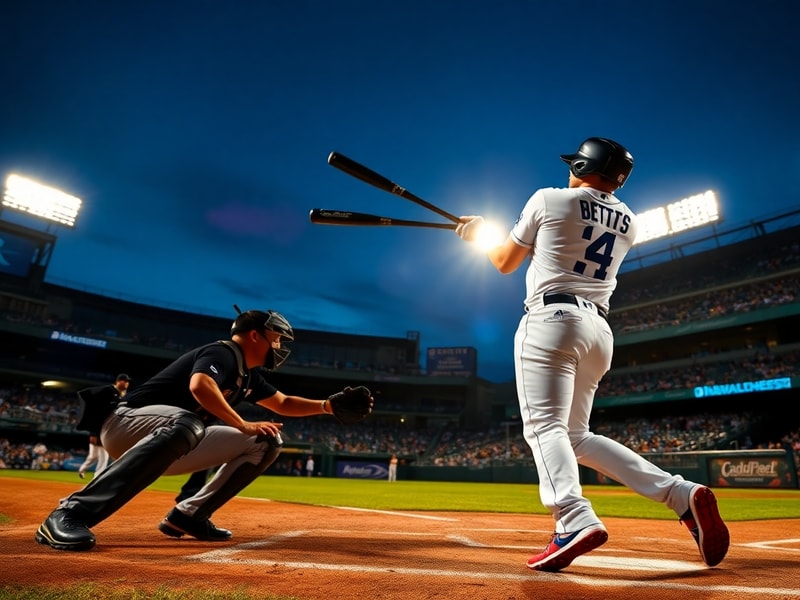
- Power vs. Contact: The Dodgers’ lineup features multiple 20+ home run threats, including Mookie Betts and Freddie Freeman. Pittsburgh counters with contact hitters like Bryan Reynolds and Jack Suwinski, who excel in driving in runs without the same power numbers.
- Defensive Shifts: The Dodgers frequently deploy defensive shifts based on spray charts and opponent tendencies. The Pirates, still adapting to new shift rules, have found success by emphasizing athleticism in the outfield, particularly with Cruz patrolling right field.
- Managerial Decisions: Dave Roberts and Derek Shelton represent two distinct managerial philosophies. Roberts leans heavily on analytics and matchups, while Shelton often prioritizes player morale and situational flexibility.
Broader Implications for Baseball’s Future
The Dodgers-Pirates rivalry is more than a series of games—it’s a reflection of baseball’s evolving landscape. On one side, the Dodgers embody the sport’s financial and analytical future, where success is measured in wins above replacement (WAR) and marginal gains. On the other, the Pirates represent a slower, more organic approach, where growth is measured in incremental progress and fan engagement.
This divide raises important questions about the sustainability of each model. The Dodgers’ model, while effective, risks alienating fans who crave unpredictability. The Pirates’ approach, while authentic, demands patience from a fanbase accustomed to disappointment. Yet, both franchises offer valuable lessons. The Dodgers demonstrate the power of innovation, while the Pirates highlight the enduring appeal of resilience.
As MLB continues to evolve, the clash between these two philosophies will only intensify. The introduction of the pitch clock and shift restrictions in 2023 has already reshaped the game, rewarding speed and contact over power and shifts. In this new era, teams like the Pirates may find unexpected advantages, while traditional powerhouses like the Dodgers must adapt to survive.
Conclusion: Beyond the Scoreboard
The Dodgers and Pirates may never share the same stage in October, but their matchups offer a deeper narrative about what baseball is—and what it could become. The Dodgers represent the pinnacle of modern baseball: a machine built for consistency and excellence. The Pirates, meanwhile, embody the soul of the game—a franchise fighting to reclaim its place in a sport that often prioritizes dollars over drama.
In the end, the rivalry transcends wins and losses. It’s a story of ambition and adaptation, of two cities with vastly different resources but a shared love for the game. For fans, it’s a reminder that baseball’s beauty lies not just in its dynasties, but in its underdogs.
As the 2024 season approaches, all eyes will be on Los Angeles and Pittsburgh—not just for their performance, but for what they reveal about the future of America’s pastime.
For more on the Dodgers’ strategic evolution, visit our MLB coverage. To dive deeper into the Pirates’ rebuilding process, check out our Analysis section.