Why Racing Captivates: History, Tech, and Culture Explored
“`html
The Need for Speed: Why Racing Captures Our Imagination
Few human pursuits blend competition, technology, and raw emotion as seamlessly as racing. Whether on four wheels, two wheels, or even wings, the act of pushing limits against time and rivals has fascinated generations. Racing isn’t just a sport; it’s a spectacle that tests human ingenuity, courage, and precision.
The roots of organized racing stretch back centuries, from chariot races in ancient Greece to the first official automobile competitions in the late 19th century. Each era has refined the discipline, introducing new technologies and safety measures while amplifying the thrill for both participants and spectators. Today, racing spans disciplines from Formula 1’s high-tech circuits to the gritty endurance of Dakar Rally, and even the virtual realm of esports racing.
The Evolution of Racing: From Pioneers to Precision
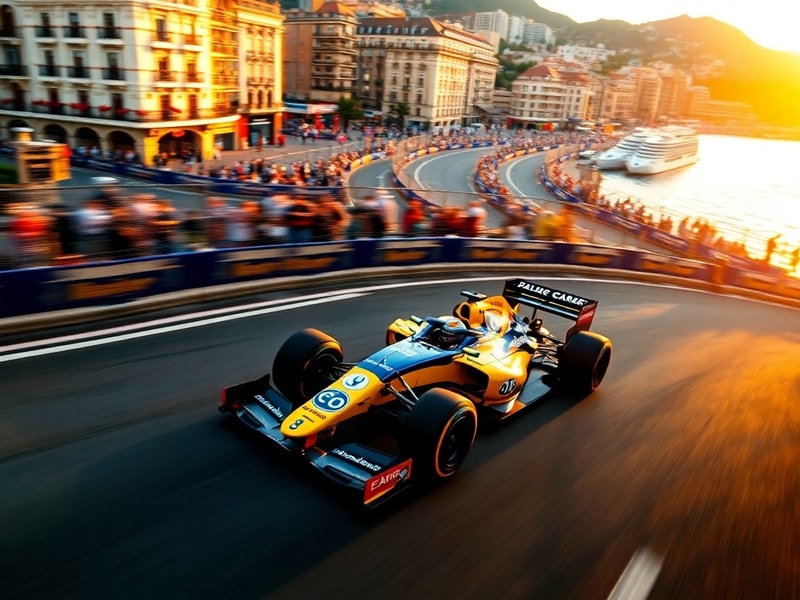
The transition from early motorized competitions to modern racing was driven by innovation. In 1894, the Paris-Rouen race marked one of the first organized automobile events, pitting steam-powered and gasoline cars against each other. By the 1930s, purpose-built race cars with aerodynamic designs and powerful engines began dominating circuits like Le Mans and Monaco.
Post-war advancements in aerodynamics, tire technology, and materials science transformed racing into a high-stakes laboratory for engineering. Today, Formula 1 teams invest millions in wind tunnel testing and computational fluid dynamics to shave milliseconds off lap times. Meanwhile, NASCAR and IndyCar continue to evolve with safer designs and hybrid engine rules, reflecting broader trends in automotive safety and sustainability.
Technology has also democratized racing. Karting circuits, affordable simulators, and grassroots events allow aspiring drivers to cut their teeth before climbing the ladder to professional series. This accessibility ensures a steady pipeline of talent and keeps the sport vibrant across multiple tiers.
Why We Love Racing: More Than Just Speed
At its core, racing taps into primal human instincts: competition, survival, and the pursuit of excellence. There’s an undeniable visceral thrill in watching a driver navigate a corner at 180 mph or a motorcycle racer lean into a turn with millimeters to spare. But beyond the adrenaline, racing offers deeper layers of meaning.
It serves as a microcosm of societal progress. The push for electric vehicles in Formula E isn’t just about performance—it reflects the global shift toward sustainability. Similarly, the emphasis on driver safety, from HANS devices to halo cockpit protections, underscores how racing often leads broader cultural shifts in risk management and innovation adoption.
Racing also fosters community. Whether it’s local dirt track enthusiasts or global F1 fanatics, the shared passion creates bonds that transcend geography. Fan traditions—like waving checkered flags at races or recreating iconic driver rivalries in video games—show how deeply the sport embeds itself into culture.
Key Elements That Define Racing Culture
- Precision Engineering: Every component, from the engine to the seat, is optimized for performance and reliability.
- Risk and Reward: Drivers balance speed with control, knowing a single mistake can alter outcomes dramatically.
- Fan Engagement: Interactive experiences, live timing apps, and behind-the-scenes content keep audiences invested year-round.
- Global Reach: Events like the 24 Hours of Le Mans or MotoGP attract international audiences, creating a diverse, inclusive community.
- Youth Development: Academies and junior series provide structured pathways for emerging talent to hone their skills.
Racing in the Digital Age: Where Tradition Meets Innovation
The rise of digital technology has revolutionized racing in ways unimaginable a generation ago. Virtual racing leagues, powered by sophisticated simulators like iRacing and rFactor 2, allow drivers to compete on digital replicas of real-world tracks. These platforms have become vital training grounds, especially during the COVID-19 pandemic when physical races were canceled.
Streaming services have also transformed fan engagement. Platforms like YouTube and Twitch now broadcast races live, offering commentary, driver cams, and real-time data overlays. Fans can dissect every corner and pit stop with the same depth as professional analysts. This transparency has elevated the sport’s credibility and deepened fan investment.
Moreover, data analytics has become a silent hero in racing. Teams use telemetry to monitor tire wear, fuel consumption, and aerodynamic efficiency in real time. Machine learning helps predict optimal pit stop windows and race strategies, giving teams a competitive edge that often decides championships.
The Future of Racing: Sustainability, Safety, and Beyond
The next decade will redefine racing’s identity. With global climate goals looming, electric and hybrid powertrains are no longer optional in top-tier series. Formula 1’s 2026 regulations aim for 50% sustainable fuels, while Formula E continues to push the boundaries of electric performance. These changes aren’t just about compliance—they’re about leading the automotive industry’s evolution.
Safety remains a cornerstone. Advances in helmet technology, fire-resistant suits, and circuit design ensure drivers face fewer life-threatening risks. Meanwhile, initiatives like the FIA’s concussion protocols highlight racing’s commitment to protecting athletes in high-speed environments.
Looking further ahead, autonomous racing could emerge as a new frontier. Roborace, a series for self-driving cars, has already showcased how AI can compete at elite levels. While controversial, it represents another step in racing’s tradition of embracing technological frontiers.
Ultimately, racing’s enduring appeal lies in its ability to mirror humanity’s relentless drive to improve—to go faster, safer, and smarter. It’s a testament to our ingenuity and our hunger for progress, both on the track and beyond.
As technology evolves and societal values shift, racing will continue to adapt, ensuring its place as one of the world’s most dynamic and inspiring pursuits.