The annual Congressional Baseball Game is more than just a sporting event—it’s a tradition that bridges the partisan divide on Capitol Hill. Held every summer since 1909, this charity baseball game pits Republicans against Democrats in a friendly but fiercely competitive matchup. While the game itself is lighthearted, its broader significance lies in its ability to showcase bipartisan camaraderie in an era often defined by polarization.
The Origins and Evolution of the Game
The Congressional Baseball Game began as a casual pickup game among lawmakers looking to unwind during a tense political climate. Over time, it grew into an organized event, with proceeds benefiting Washington, D.C.-area charities. The first official game took place in 1909, and since then, it has become a staple of the congressional calendar.
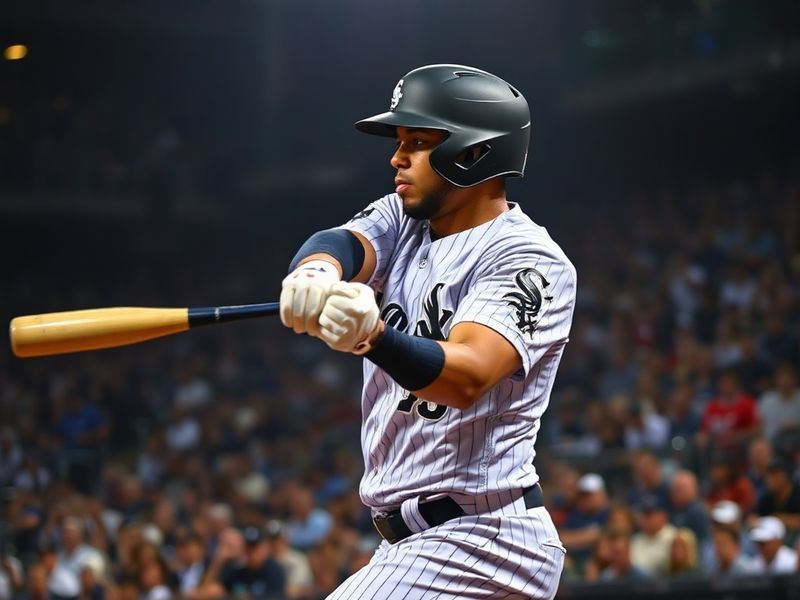
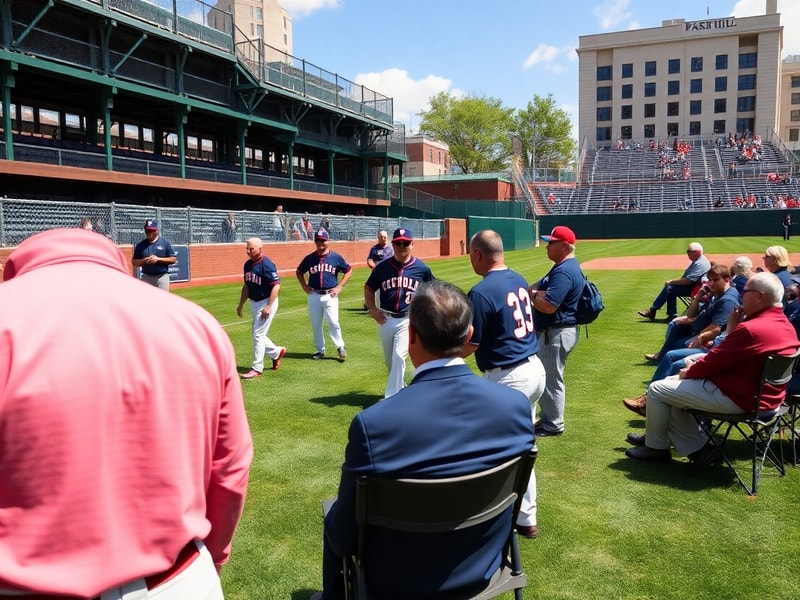
The game’s enduring appeal lies in its simplicity. Members of Congress, many of whom are former college or high school athletes, step onto the field for a few innings of baseball. The rules are relaxed, the atmosphere is jovial, and the stakes are low—except, of course, for the bragging rights between parties.
One of the most notable moments in the game’s history came in 2017, when a gunman opened fire on Republican players during practice in Alexandria, Virginia. The attack left House Majority Whip Steve Scalise critically injured and highlighted the rare moments of unity that can emerge even in the most divided times.
Key Moments in Congressional Baseball History
- 1909: The first unofficial game is played in Washington, D.C., marking the beginning of a long-standing tradition.
- 1950: The game becomes an annual event, with proceeds going to local charities.
- 1994: The game is canceled due to a congressional recess during a budget standoff, demonstrating how political tensions can spill into even the most apolitical spaces.
- 2017: A shooting at the Republican team’s practice injures several players, including Rep. Steve Scalise, forcing a temporary suspension of the event.
- 2023: The game returns after a brief hiatus, with both parties emphasizing healing and unity in its aftermath.
Why the Game Matters Beyond the Diamond
In an era where political divisions often overshadow cooperation, the Congressional Baseball Game serves as a rare reminder of shared humanity among lawmakers. The game is one of the few occasions where Democrats and Republicans come together not as adversaries, but as teammates. It humanizes politicians, showing voters that despite their differences, they can still find common ground in simpler pursuits like sports.
The event also has tangible benefits for the community. Proceeds from ticket sales and sponsorships support local charities, including organizations that provide meals to the hungry, fund youth sports programs, and assist military families. In 2022, the game raised over $1 million for charity, demonstrating its continued relevance in the Washington, D.C. area.
Moreover, the game offers a glimpse into the personal lives of lawmakers. Many members of Congress have shared stories about their families attending the game, with spouses and children cheering from the stands. These moments of levity can humanize politicians who are often seen only through the lens of partisan politics.
The Unwritten Rules of Congressional Baseball
While the game is competitive, there are unwritten rules that govern its conduct. For instance, no player is allowed to slide into a base with the intent to injure an opponent. Pitchers are expected to throw gentle lobs rather than fastballs, and batters often take a knee after making contact to avoid embarrassing the opposing team’s pitcher. These informal agreements ensure that the game remains fun rather than cutthroat.
The selection process for teams is another unique aspect. Players are chosen based on their athletic backgrounds, with some members having played in college or even professionally. Others are simply enthusiastic amateurs who enjoy the opportunity to step onto the field. The teams are typically led by former minor league players or college athletes, adding a layer of strategy to the game.
Another tradition is the post-game reception, where lawmakers from both parties mingle over food and drinks. This informal setting allows for conversations that might not happen in the halls of Congress, fostering relationships that can lead to bipartisan legislation down the line.
Broader Implications: Can Baseball Bridge Political Divides?
The Congressional Baseball Game raises an important question: Can shared experiences like sports help bridge political divides? The answer is complicated. While the game itself is a symbol of bipartisanship, it does not erase the deep-seated ideological differences that define modern politics. However, it does provide a rare opportunity for lawmakers to interact outside the pressure-cooker environment of Capitol Hill.
Some political scientists argue that these moments of camaraderie are crucial for maintaining civility in government. When lawmakers see each other as people rather than adversaries, they are more likely to collaborate on legislation. The game, in this sense, is more than just a charity event—it’s a microcosm of what politics could look like if cooperation were prioritized over conflict.
Yet, the game’s impact is limited. It does not address the structural issues that contribute to polarization, such as gerrymandering, the 24-hour news cycle, or the rise of social media echo chambers. Instead, it serves as a reminder of what is possible when people choose to set aside their differences, if only for a few hours.
What the Future Holds for the Game
As the political landscape continues to evolve, the Congressional Baseball Game faces both challenges and opportunities. The rise of social media has amplified partisan divisions, making events like this all the more important as a counterbalance. At the same time, the game must adapt to changing times. Younger lawmakers, many of whom did not grow up playing baseball, may push for alternative traditions that reflect their interests.
There is also the question of inclusivity. While the game has historically featured male lawmakers, efforts are being made to involve more women and non-binary members of Congress. In 2021, the first all-female congressional softball game was held, signaling a potential expansion of these bipartisan traditions.
Regardless of how the game evolves, its core purpose remains unchanged: to bring lawmakers together in the spirit of competition and charity. In a city often defined by its divisions, the Congressional Baseball Game offers a fleeting but meaningful glimpse of unity.
Conclusion: More Than Just a Game
The Congressional Baseball Game is a tradition that endures because it fulfills a need—both for the lawmakers who participate and the community that benefits from its proceeds. It is a reminder that politics, at its best, is about people working together to achieve common goals. While the game may not single-handedly heal the nation’s divisions, it serves as a powerful symbol of what is possible when competition gives way to camaraderie.
As long as there are members of Congress willing to step onto the field, the game will continue to thrive. And in doing so, it will keep alive the hope that even in the most polarized times, there are still moments of shared humanity worth celebrating.
For those interested in exploring more about bipartisan traditions in Washington, D.C., visit Dave’s Locker Politics Section or explore the broader cultural context at Dave’s Locker Culture Section.