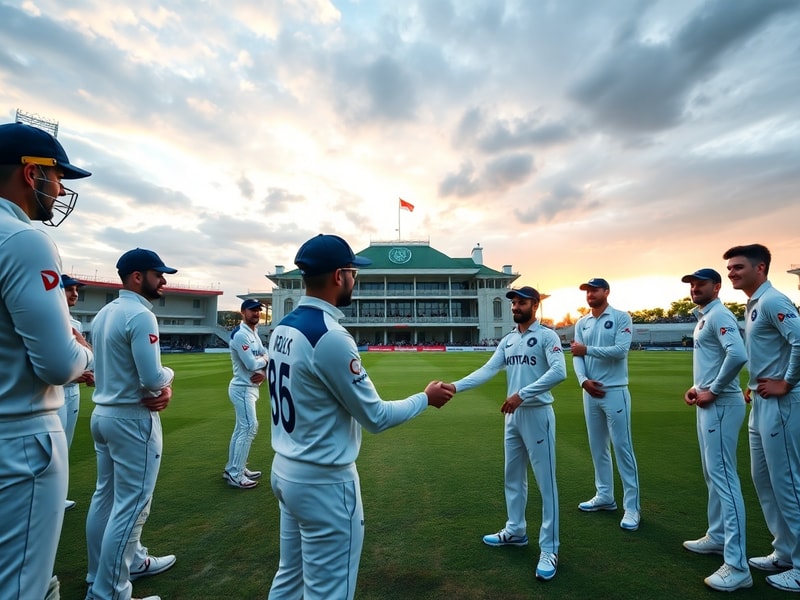
England vs India: A Rivalry That Transcends Sport
The England vs India cricket rivalry is one of the most storied and globally watched contests in sports history. Beyond the boundaries of the pitch, it reflects deep-seated cultural exchanges, historical narratives, and the evolving nature of international competition. Cricket, often described as a game of glorious uncertainties, becomes even more captivating when these two cricketing powerhouses face off.
This rivalry is not just about wins and losses. It embodies the spirit of cricket’s global expansion, from its colonial origins to becoming a modern spectacle watched by millions across continents. Matches between England and India are more than sporting events; they are cultural exchanges that bring together diverse fanbases, each with their own traditions, expectations, and passion.
The Historical Roots of the Rivalry
The roots of this rivalry can be traced back to the late 19th century when India was still under British colonial rule. Cricket was introduced by the British as a symbol of order and discipline, but it soon became a tool for Indian self-expression and resistance. The first official Test match between England and India took place in 1932 at Lord’s, a venue often referred to as the “Home of Cricket.”
This historical context adds layers of meaning to every match. When India plays England, it’s not just about cricket—it’s a subtle reenactment of history, identity, and national pride. Over the decades, the rivalry has evolved from one of dominance by England to one of fierce competition, with India now standing as a global leader in the sport.
Modern Rivalry: A Battle of Styles and Strategies
Today, the England vs India rivalry is defined by contrasting cricketing philosophies. England, with its aggressive, fast-paced approach, often embodies the modern, attacking style of limited-overs cricket. Their players, from Joe Root to Jos Buttler, are known for their fearless batting and innovative bowling strategies. The English team thrives on home advantage, especially in swinging conditions that favor their pace attack.
India, on the other hand, represents a blend of tradition and innovation. Led by players like Virat Kohli and Rohit Sharma, India’s strength lies in its depth of batting, spin bowling, and adaptability across formats. Indian cricket is deeply rooted in technique and temperament, often excelling in pressure situations. The rise of the Indian Premier League (IPL) has further shaped Indian players into global superstars, making them formidable opponents on any surface.
The contrast between these styles makes every encounter unpredictable. Whether it’s a Test match in swinging English conditions or a high-octane limited-overs game in India, the rivalry ensures drama, tension, and moments of brilliance.
Cultural Impact: Cricket as a Global Unifier
Beyond the sport itself, the England vs India rivalry holds immense cultural significance. Cricket is more than a game in both countries—it’s a way of life. In India, cricket is a religion. Matches are celebrated with festivals, street parties, and communal gatherings. The Indian team’s success is often seen as a reflection of national pride, especially during major tournaments like the ICC World Cup.
In England, cricket is a tradition steeped in history and etiquette. The Ashes series against Australia may be the most famous rivalry, but England vs India matches are rapidly gaining prominence. The multicultural nature of modern England adds another layer to the rivalry. With a significant South Asian diaspora, Indian cricket enjoys massive support in cities like Leicester, Birmingham, and London, where local cricket clubs often reflect the diversity of the community.
This cultural crossover extends to media, fashion, and entertainment. Bollywood stars and British celebrities alike are often seen supporting their respective teams, further blurring the lines between sport and culture. The rivalry has also inspired documentaries, films, and even fashion collaborations, turning cricket into a global cultural phenomenon.
Key Moments That Defined the Rivalry
The England vs India rivalry has produced some of the most iconic moments in cricket history. These moments are etched into the memories of fans and have shaped the narrative of the rivalry. Here are a few standout instances:
- 1986: The Javed Miandad Last-Ball Six – In a tense ODI in Sharjah, Javed Miandad hit a last-ball six to win the match for Pakistan, but the rivalry between India and Pakistan often overshadowed the broader context. However, this moment highlighted India’s resilience against pace bowling in foreign conditions.
- 2002: The NatWest Final – One of the most dramatic limited-overs matches ever played. India, chasing a massive total at Lord’s, pulled off a stunning victory, with Mohammad Kaif and Yuvraj Singh becoming overnight heroes. The image of Sourav Ganguly waving his shirt from the Lord’s balcony remains iconic.
- 2011: India’s World Cup Triumph – While not directly against England, India’s victory in the 2011 ICC World Cup was a defining moment for Indian cricket. It set the stage for future dominance and reinforced India’s status as a global cricketing force.
- 2021: Joe Root’s Masterclass at Headingley – In a rain-affected Test match, England’s Joe Root scored a brilliant double century to secure a thrilling draw. This innings was a testament to Root’s class and England’s fighting spirit.
The Future of the Rivalry
The England vs India rivalry shows no signs of slowing down. With the rise of T20 cricket and the expansion of The Hundred in England, the rivalry is evolving into new formats. The IPL’s influence ensures that Indian players are constantly exposed to high-pressure situations, making them even more formidable opponents.
For England, the challenge lies in maintaining their aggressive style while adapting to the demands of modern cricket. The emergence of young talents like Rehan Ahmed and Ollie Pope suggests a bright future, but India’s depth and experience make them a tough nut to crack.
The rivalry also extends beyond the field. Initiatives like the ECB’s diversity programs and the BCCI’s grassroots development efforts are ensuring that cricket continues to grow globally. The England vs India rivalry, therefore, is not just about winning matches—it’s about shaping the future of the sport.
As both nations continue to invest in cricket infrastructure, coaching, and fan engagement, the rivalry will only grow stronger. Whether it’s a Test match in Chennai, an ODI in Manchester, or a T20 in Mumbai, every encounter adds a new chapter to this historic rivalry.
Why This Rivalry Matters Beyond Cricket
The England vs India cricket rivalry is a microcosm of the broader global landscape. It reflects the tension between tradition and modernity, the impact of colonial history on contemporary society, and the unifying power of sport. In an era where global connections are more important than ever, cricket serves as a bridge between nations.
For fans, the rivalry is a source of joy, heartbreak, and nostalgia. For players, it’s an opportunity to test their skills against the best. For the world, it’s a reminder of how sport can bring people together, transcending borders and cultures.
As the rivalry continues to evolve, one thing is certain: whenever England and India face off, the world stops to watch. The battles on the field are fierce, the drama is real, and the memories are unforgettable.
For more insights into global sports and cultural phenomena, explore our Sports and Culture sections.