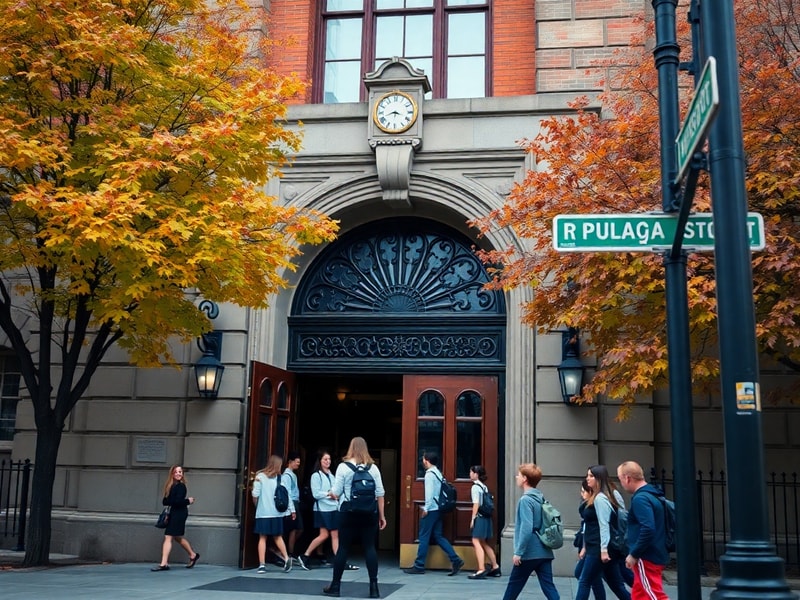
The New York City public school system, the largest in the United States, is navigating a complex landscape of financial constraints, policy shifts, and community demands. With over one million students across more than 1,800 schools, decisions made at the district level ripple through classrooms, homes, and local economies. Recent budget proposals and proposed policy changes have intensified debates about equity, resources, and the future of public education in the city.
Funding Challenges and Budget Pressures
NYC schools have long relied on a mix of local, state, and federal funding, but rising costs and uncertain revenue streams have created persistent budget gaps. The 2025 fiscal year brought renewed scrutiny to how resources are allocated, particularly in underserved communities. The Department of Education has emphasized efficiency measures, including staffing adjustments and program consolidations, but critics argue these steps disproportionately affect schools with the greatest needs.
According to the Independent Budget Office of New York City, projected deficits could exceed $1 billion by 2027 if current trends continue. This financial strain has led to calls for increased state funding, changes in the city’s tax structure, or both. Meanwhile, the mayor’s office has proposed tapping into surplus funds from pandemic-era federal relief packages to stabilize school budgets in the short term.
Key Areas of Concern in NYC School Funding
- Unequal resource distribution: Schools in wealthier neighborhoods often have access to additional funding from parent-teacher associations and local fundraising, widening disparities.
- Special education costs: Meeting the needs of students with disabilities remains a major budget challenge, with spending on special education rising faster than overall education budgets.
- Infrastructure needs: Many school buildings are decades old and require significant investments for repairs, ventilation upgrades, and technology integration.
- Chronic absenteeism: Post-pandemic attendance issues have disrupted funding formulas tied to student enrollment, further straining school resources.
Policy Shifts and Curriculum Controversies
The city’s education leadership has also faced pressure to rethink curriculum standards, discipline policies, and accountability measures. In 2024, the DOE introduced new guidelines to reduce suspensions and expand restorative justice programs, aiming to create safer, more inclusive school environments. These changes reflect broader national trends toward de-emphasizing punitive discipline, particularly in schools serving predominantly Black and Latino students.
However, the shift has sparked backlash from some parents and advocacy groups who argue that safety is being compromised. In one highly publicized incident, a Queens high school saw a rise in classroom disruptions following the implementation of new discipline policies. The debate highlights the tension between progressive reforms and community expectations for order and structure.
Another contentious area involves curriculum content. The city has expanded ethnic studies programs in response to student and activist demands for more inclusive histories and literatures. While supporters praise these efforts as long overdue, opponents have raised concerns about political bias and the potential sidelining of traditional academic priorities. The DOE has defended the changes as essential to fostering cultural awareness and civic engagement.
Community Involvement and Advocacy Movements
Grassroots organizations have become increasingly vocal in shaping education policy. Groups like the Alliance for Quality Education and the Urban Youth Collaborative have organized rallies and lobbied city council members to prioritize school funding and equity. Their advocacy has led to some concessions, including the preservation of after-school programs in several districts slated for cuts.
Parent-teacher associations in affluent neighborhoods have also mobilized, though their focus often centers on protecting advanced course offerings and enrichment activities rather than addressing systemic inequities. This dual dynamic underscores the challenge of building a unified movement for educational justice across diverse communities.
Student voices have gained prominence as well. Youth-led organizations like Teens Take Charge have pushed for transparency in school funding and greater student representation in decision-making processes. Their campaigns have influenced policy discussions, particularly around high school admissions and the expansion of career and technical education pathways.
Looking Ahead: Challenges and Opportunities for NYC Schools
As NYC schools move into the second half of the 2020s, several critical decisions loom. The state legislature must address funding formulas that have long favored wealthier districts. The DOE is under pressure to balance innovation with stability, particularly as new technologies and pedagogical approaches reshape classroom dynamics.
One potential solution gaining traction is the expansion of community schools—sites that integrate academic, health, and social services to support students and families. Early results from pilot programs in Brooklyn and the Bronx suggest these schools can improve attendance and academic outcomes, though scaling such initiatives will require sustained investment.
Another area ripe for reform is high school admissions. The city’s specialized high school test remains a flashpoint, with critics arguing it perpetuates racial and economic segregation. Proposals to eliminate the test or replace it with multiple measures have gained traction, though implementation would require careful planning to avoid unintended consequences.
Ultimately, the future of NYC schools will depend on collaboration between educators, policymakers, families, and students. While the challenges are significant, the system’s resilience offers reason for cautious optimism. The city’s diverse population and wealth of cultural and intellectual resources provide a strong foundation for innovation—if the political will and financial support can align.
For more insights into education policy and urban systems, visit our Education and News sections on Dave’s Locker.
The conversation around NYC schools is far from over. As budgets tighten and expectations rise, the city’s ability to deliver equitable, high-quality education will be tested. What remains clear is that the stakes extend beyond classroom walls—they shape the economic and social fabric of New York City for generations to come.