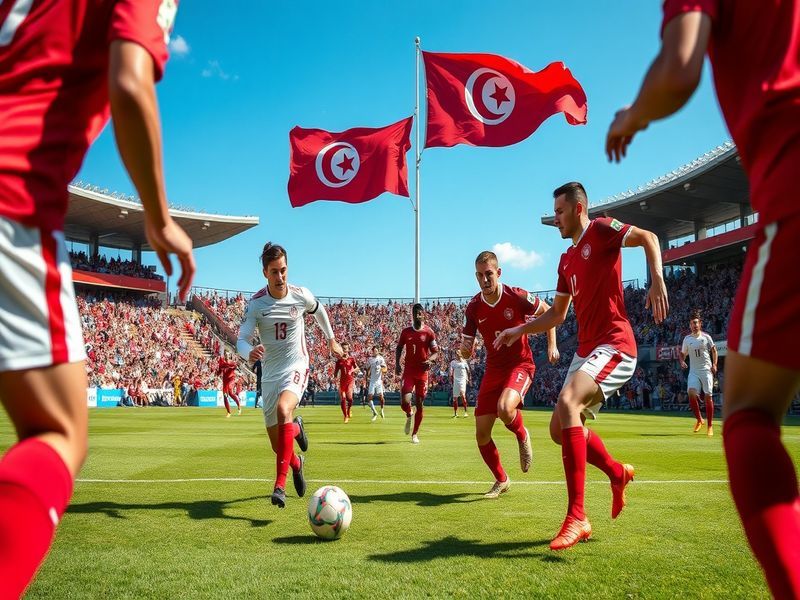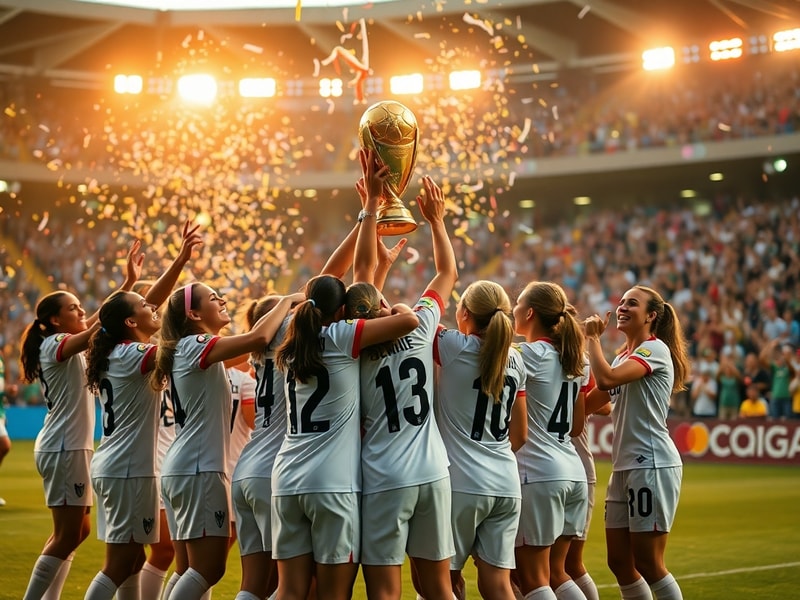
The FIFA Women’s World Cup has evolved from a niche tournament into a cornerstone of international sports, reshaping how the world perceives women’s football. Since its inception in 1991, the tournament has grown in scale, prestige, and cultural impact, drawing millions of viewers and inspiring generations of athletes. This year’s edition continues that legacy, showcasing not only elite athleticism but also the broader movement toward equity in sports.
The tournament’s expansion from 12 to 32 teams in 2023 reflects its rising significance. With more nations competing at the highest level, the Women’s World Cup has become a platform for underrepresented footballing nations to make their mark. This inclusivity has elevated the standard of play while fostering a more diverse global football community.
Key Moments That Defined the Tournament’s Rise
Several pivotal moments have cemented the Women’s World Cup as a must-watch event. The 1999 final at the Rose Bowl in Pasadena remains one of the most iconic in sports history, where Brandi Chastain’s penalty kick secured the U.S. victory and drew a record-breaking 90,000-plus crowd. That game alone proved that women’s football could command attention on the world stage.
In 2015, the tournament’s broadcast deal with Fox Sports introduced it to a massive U.S. audience, drawing 23 million viewers for the final—a figure that shattered expectations. The 2019 edition in France further broke barriers, with record attendance and a viral moment when Megan Rapinoe knelt during the national anthem, sparking conversations about social justice in sports.
The tournament’s growth isn’t just about numbers. It’s about the stories that emerge from the pitch. From Christine Sinclair’s record-breaking goals to the rise of young talents like Trinity Rodman, each edition writes new chapters in football’s history. These narratives resonate far beyond the sport, influencing how young girls perceive their potential in athletics and leadership.
A Look at Recent Developments
The most recent Women’s World Cup, co-hosted by Australia and New Zealand in 2023, set new benchmarks for the tournament. The expanded format allowed debuting nations like the Philippines and Morocco to compete alongside traditional powerhouses. The competition’s commercial success, with record sponsorship deals and broadcasting rights, underscored its economic viability.
One of the most compelling storylines was the emergence of Spain as a dominant force. Their tactical brilliance and team cohesion led to a historic victory, marking Spain’s first-ever World Cup title. The team’s success was a testament to the growing strength of European football, challenging the long-standing dominance of the U.S. and Germany.
Meanwhile, the tournament highlighted the increasing professionalization of women’s football. Clubs like Barcelona Femení and OL Reign are investing in infrastructure, youth academies, and marketing, creating pathways for players to pursue football as a sustainable career. This shift is crucial for retaining talent and ensuring the sport’s long-term growth.
The Broader Implications for Women’s Sports
The Women’s World Cup is more than a football tournament; it’s a catalyst for change in the broader sports landscape. Its success has pressured governing bodies like FIFA to invest more in women’s football, from prize money to broadcasting rights. In 2023, FIFA announced that the prize pool for the Women’s World Cup would match the men’s tournament by 2027, a move hailed as a step toward parity.
The tournament also serves as a barometer for societal attitudes toward women’s sports. Studies show that when women’s football is given equal visibility, audiences respond positively. The 2023 Women’s World Cup averaged 1.5 million viewers per match in the U.S., with peaks surpassing 5 million for key games. This engagement is translating into tangible benefits, such as increased sponsorships and media coverage for women’s leagues worldwide.
Yet challenges remain. Pay equity, grassroots development, and media representation are still areas where progress is needed. The tournament’s success often masks the disparities in funding between men’s and women’s football. For instance, while the 2023 Women’s World Cup offered a $110 million prize pool, the men’s tournament in 2022 provided $440 million. Bridging this gap requires sustained advocacy and systemic change.
What’s Next for the Women’s World Cup?
The future of the Women’s World Cup is bright, with several key developments on the horizon. The 2027 tournament, co-hosted by Brazil and Colombia, promises to bring the competition to South America for the first time, further expanding its global footprint. This edition could introduce new rivalries and narratives, particularly as nations like Argentina and Colombia invest in their women’s teams.
Technological advancements are also set to enhance the tournament. FIFA’s continued investment in VAR (Video Assistant Referee) and goal-line technology ensures greater fairness on the pitch. Meanwhile, innovations in broadcasting, such as personalized viewing experiences and immersive storytelling, are making the tournament more accessible to fans worldwide.
The tournament’s role in driving social change cannot be overstated. Players like Alexia Putellas and Sam Kerr are using their platforms to advocate for gender equality, LGBTQ+ rights, and mental health awareness. Their influence extends beyond football, inspiring fans to challenge outdated norms and embrace a more inclusive sporting culture.
Key Takeaways from the Women’s World Cup
The Women’s World Cup is a testament to the power of sport as a tool for progress. Here are some of the most significant takeaways from its evolution:
- Growth in Scale: The expansion to 32 teams has democratized the tournament, giving smaller footballing nations a chance to shine.
- Cultural Impact: Iconic moments, from Brandi Chastain’s celebration to Megan Rapinoe’s activism, have made the tournament a cultural touchstone.
- Economic Potential: Record-breaking viewership and sponsorship deals prove that women’s football is a viable business.
- Social Influence: Players are leveraging their platforms to drive conversations about equality, diversity, and inclusion in sports.
As the tournament continues to grow, its impact will extend far beyond the pitch. It will shape the next generation of athletes, redefine how sports are marketed, and challenge long-held biases about women’s capabilities. The Women’s World Cup is not just a competition; it’s a movement, and its story is still being written.
For those interested in diving deeper into the world of women’s football, explore our Sports and Analysis sections for more insights and coverage.
Conclusion: A Legacy in the Making
The Women’s World Cup has come a long way since 1991. What began as a modest tournament has grown into a global phenomenon, celebrated for its athleticism, storytelling, and cultural significance. Its success is a reminder that progress in sports is not just about scoring goals—it’s about creating opportunities, challenging norms, and inspiring change.
As the tournament looks ahead to 2027 and beyond, its legacy will be defined by the players who take the field, the fans who support them, and the advocates who push for a more equitable sporting world. The Women’s World Cup is more than a competition; it’s a testament to what is possible when talent, opportunity, and determination collide.