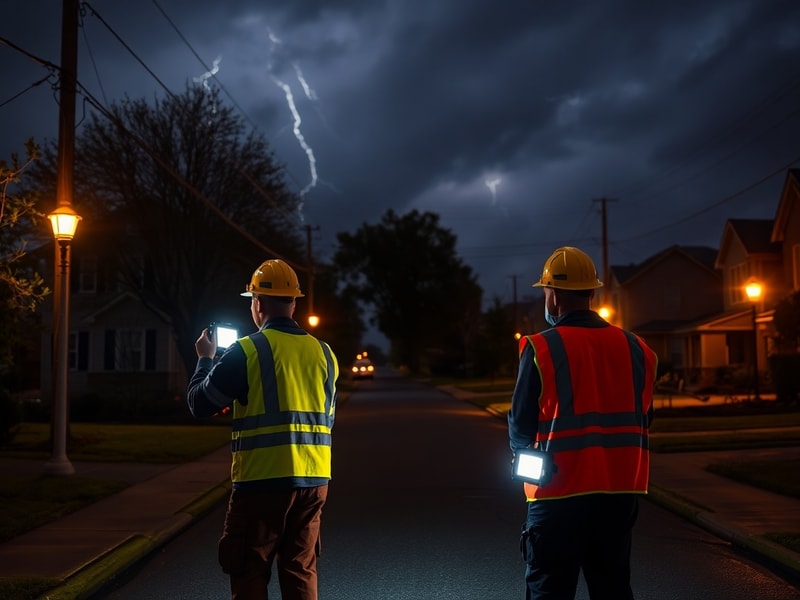
Power outages disrupt daily life in ways that often feel sudden and unpredictable. When Xcel Energy customers experience a loss of electricity, the impact can range from minor inconveniences to serious safety concerns. These events reveal how dependent modern society is on reliable infrastructure, and how quickly day-to-day routines can unravel when that infrastructure fails. The company serves millions across eight states, making its outage management a critical issue not just for consumers, but for regional stability.
Common Causes of Xcel Energy Power Outages
Xcel Energy outages typically stem from a combination of weather, equipment failure, and external factors. Severe storms—especially high winds, heavy snow, or ice—are the leading cause, often damaging power lines and poles. According to the company’s incident reports, thunderstorms and wind events account for over 40% of unplanned outages annually. Equipment malfunctions, such as failing transformers or underground cable issues, contribute another 25%, while vegetation encroaching on power lines adds 15%. Less frequent but still significant are vehicle accidents and animal interference, which can cause localized disruptions.
Seasonal patterns also play a role. Winter storms in the Midwest and Northern Plains often lead to prolonged outages due to ice buildup on lines, while summer heat waves stress transformers and increase electricity demand beyond safe operating levels. Xcel Energy has noted that during extreme weather, restoration times can extend from hours to days, depending on the extent of damage and access to affected areas.
- Severe storms (winds, ice, snow) – 40%+ of outages
- Equipment failure (transformers, cables) – ~25%
- Vegetation contact – ~15%
- Vehicle accidents and animal interference – 5–10%
How Xcel Energy Responds to Outages
When an outage is reported, Xcel Energy activates a structured response protocol designed to restore power efficiently and safely. The process begins with a customer call, online report, or automated detection through smart meters. Each report is logged in the Outage Management System (OMS), which prioritizes cases based on size, severity, and critical infrastructure needs—such as hospitals or emergency services. Crews are dispatched based on geographic clusters to maximize efficiency.
Public communication is a key part of the response. Xcel Energy uses its website, mobile app, and social media channels to provide real-time outage maps and estimated restoration times (ERTs). These tools have improved transparency, though critics argue that ERTs can be overly optimistic during major events. During the 2022 derecho in Minnesota, for example, some customers waited over 72 hours for restoration despite initial estimates of 24–48 hours.
Restoration itself follows a methodical approach: first, critical infrastructure; second, transmission lines; third, distribution lines; and finally, individual services. This staged process ensures that essential services are restored first, reducing broader community impact.
Preventing Future Outages: Xcel Energy’s Infrastructure Plans
In response to increasing outage frequency, Xcel Energy has invested in grid modernization and resilience programs. One of the most significant initiatives is the installation of smart grid technology, including automated switches and sensors that can isolate faults and reroute power automatically. These systems reduce outage duration by up to 30% in pilot areas, according to internal data.
The company has also committed $2 billion through 2026 to underground power lines in high-risk areas, particularly in Minnesota and Colorado. While undergrounding reduces weather-related outages, it comes with high upfront costs and longer repair times when damage occurs. Still, the long-term benefits in reliability are expected to outweigh the risks.
Another focus is vegetation management. Xcel Energy conducts annual trimming cycles along power corridors and has piloted drone surveillance to monitor tree growth near lines. These efforts have reduced vegetation-related outages by 18% over the past five years. Climate adaptation is also part of the strategy, with enhanced forecasting tools to prepare for more frequent extreme weather events.
What Customers Can Do During an Outage
While Xcel Energy leads the technical response, customers play a role in safety and preparedness. The company recommends keeping emergency kits with flashlights, batteries, non-perishable food, and a portable charger. Avoid opening refrigerators during outages to preserve food, and use generators only outdoors to prevent carbon monoxide poisoning. Customers should also report outages promptly through the app or website to help Xcel Energy assess the scope of the issue.
For those in areas prone to extended outages, investing in a home standby generator or solar-plus-battery system can provide peace of mind. While not affordable for everyone, these solutions have grown in popularity, especially in rural and suburban communities served by Xcel Energy.
Staying informed through Xcel Energy’s alerts and local news is also crucial. During the 2023 wildfire season in Colorado, rapid communication helped prevent widespread evacuations by giving residents early warnings about potential power shutoffs for safety.
Looking Ahead: The Future of Reliable Power
The challenge for Xcel Energy—and utilities nationwide—is balancing cost, reliability, and sustainability. As extreme weather becomes more common due to climate change, the pressure to harden infrastructure grows. Yet rate increases to fund these upgrades are politically sensitive, especially in states with diverse energy policies.
Xcel Energy has set a goal to deliver 100% carbon-free electricity by 2050, which includes modernizing the grid to handle renewable energy sources like wind and solar. These clean energy transitions require a more resilient grid, capable of managing intermittent power and bidirectional energy flow. Smart inverters, battery storage, and microgrids are all part of this evolution.
For customers, the message is clear: outages are not going away, but preparation and innovation can reduce their frequency and impact. As technology advances and infrastructure improves, the hope is that power disruptions will become less frequent—and when they do occur, they’ll be shorter and easier to manage.
Until then, staying informed, reporting issues promptly, and preparing for emergencies remain the best strategies for navigating the occasional blackout.
For more on energy infrastructure and safety, visit our News and Technology sections.