<!DOCTYPE html>
<html lang="en">
<head>
    <meta charset="UTF-8">
    <meta name="viewport" content="width=device-width, initial-scale=1.0">
    <title>Understanding El Niño: Patterns, Impacts, and What Lies Ahead</title>
</head>
<body>
    <article>
        <h1>Understanding El Niño: Patterns, Impacts, and What Lies Ahead</h1>

        <p>El Niño represents one of Earth’s most influential climate phenomena, yet its mechanisms and global consequences remain poorly understood by many outside meteorological circles. This cyclical warming of Pacific Ocean waters disrupts weather systems worldwide, triggering droughts in normally wet regions and floods in typically arid zones. The 2023–2024 El Niño event has already demonstrated this pattern’s power, with scientists observing its fingerprints on extreme weather events across multiple continents.</p>

        <h2>The Science Behind El Niño: How It Develops</h2>

        <p>El Niño originates in the equatorial Pacific, where trade winds that normally blow westward toward Indonesia weaken or reverse direction. This atmospheric shift reduces the upwelling of cold, nutrient-rich water along South America’s coast, allowing warm surface waters to spread eastward. The process typically peaks around December, earning the phenomenon its Spanish name, meaning “the little boy” or “Christ child.”</p>

        <p>The opposite phase, La Niña, occurs when these trade winds strengthen, pushing warm water westward and cooling the eastern Pacific. Together, these phases form the El Niño-Southern Oscillation (ENSO) cycle, a natural climate pattern that recurs every 2–7 years with varying intensity. While ENSO operates on a planetary scale, its impacts are anything but uniform. Some regions experience dramatic shifts in precipitation and temperature, while others remain largely unaffected.</p>

        <h3>Key Stages of an El Niño Event</h3>
        <ol>
            <li><strong>Neutral Phase:</strong> Trade winds blow consistently, maintaining warm water in the western Pacific and cooler conditions in the east.</li>
            <li><strong>Developing Phase:</strong> Trade winds weaken, allowing warm water to migrate eastward and atmospheric convection to shift.</li>
            <li><strong>Mature Phase:</strong> Peak warming occurs, typically between November and February, with global weather patterns adjusting accordingly.</li>
            <li><strong>Decay Phase:</strong> Trade winds gradually return, and the warm pool dissipates as cooler water upwells again.</li>
        </ol>

        <h2>Global Ripple Effects: Where El Niño’s Influence Spreads</h2>

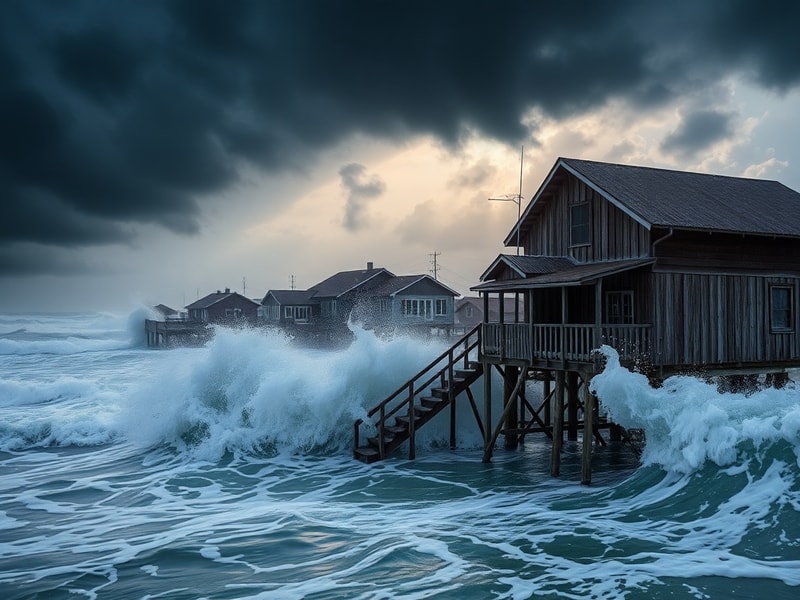
        <p>The reach of El Niño extends far beyond the Pacific, reshaping weather systems through atmospheric teleconnections—large-scale patterns that link distant regions. One of the most predictable outcomes is reduced hurricane activity in the Atlantic due to increased wind shear, which tears storms apart before they intensify. Meanwhile, the Pacific basin often sees the opposite effect, with more frequent and severe tropical cyclones battering islands and coastal communities.</p>

        <p>In North America, El Niño typically brings wetter conditions to the southern United States while causing warmer, drier weather across the northern tier. The Midwest and Pacific Northwest often face diminished snowfall, affecting water supplies for agriculture and hydropower. Farmers in the U.S. grain belt must adapt planting schedules to shifting precipitation patterns, while energy markets react to fluctuating heating and cooling demands.</p>

        <p>South America bears the brunt of El Niño’s wrath most directly. Peru and Ecuador endure torrential rains and flooding, while Argentina and southern Brazil suffer droughts that devastate soybean and corn crops. Fisheries along the Peruvian coast collapse as anchovy populations flee the warming waters, crippling local economies dependent on the sea. These disruptions ripple through global commodity markets, influencing food prices from Chicago to Shanghai.</p>

        <h3>Regions Most Vulnerable to El Niño’s Effects</h3>
        <ul>
            <li><strong>Southeast Asia:</strong> Increased risk of drought and wildfires, particularly in Indonesia and Malaysia.</li>
            <li><strong>East Africa:</strong> Heavier than usual rainfall leading to floods and landslides, especially in Kenya and Somalia.</li>
            <li><strong>Australia:</strong> Severe droughts and heatwaves, heightening bushfire risks in already fire-prone areas.</li>
            <li><strong>Southern Africa:</strong> Reduced rainfall threatens maize production, a staple crop for millions.</li>
            <li><strong>Central America:</strong> Prolonged dry spells exacerbate water shortages and crop failures.</li>
        </ul>

        <h2>Beyond Weather: Economic and Ecological Consequences</h2>

        <p>The economic toll of El Niño is staggering. The 1997–1998 event, one of the strongest on record, caused an estimated $35–45 billion in global damages. Infrastructure repairs, agricultural losses, and disrupted supply chains compounded the financial strain. Insurance companies faced record payouts as claims surged from flood-ravaged cities and drought-stricken farmlands. Governments scrambled to allocate emergency funds, often diverting resources from other critical needs.</p>

        <p>Ecologically, El Niño reshapes ecosystems in ways that can persist for years. Coral reefs, already stressed by rising ocean temperatures, suffer mass bleaching events as warm water lingers. In the Galápagos Islands, marine iguanas starve due to reduced algae growth, while seabird populations crash as fish stocks dwindle. On land, unusual rainfall patterns can trigger outbreaks of disease-carrying mosquitoes in regions unaccustomed to such conditions. The 2015–2016 El Niño, for instance, contributed to a surge in malaria cases in Ethiopia and Colombia.</p>

        <p>Climate change is amplifying El Niño’s extremes. Research suggests that as global temperatures rise, the frequency of “super El Niños”—events with exceptionally strong warming—may increase. A study published in <em>Nature Climate Change</em> found that such events could become twice as common by the end of the 21st century. This intensification threatens to overwhelm already vulnerable communities, particularly in developing nations where resources for adaptation are limited.</p>

        <h2>Preparing for the Next Cycle: Mitigation and Adaptation</h2>

        <p>While El Niño is a natural phenomenon, human activity is altering its behavior and amplifying its impacts. Recognizing this, scientists and policymakers are working to improve forecasting and preparedness. The National Oceanic and Atmospheric Administration (NOAA) and other agencies now issue seasonal outlooks months in advance, giving governments and businesses critical lead time to adjust strategies.</p>

        <p>Agricultural sectors are adopting climate-resilient practices, such as drought-resistant crop varieties and precision irrigation systems. In water-scarce regions like Australia’s Murray-Darling Basin, farmers are diversifying income sources to hedge against erratic rainfall. Meanwhile, cities in flood-prone areas are investing in green infrastructure, such as permeable pavements and constructed wetlands, to absorb excess water and reduce urban flooding.</p>

        <p>International cooperation plays a vital role in mitigating El Niño’s fallout. The United Nations’ Early Warning for All initiative aims to ensure that every person on Earth is protected by disaster warning systems by 2027. Organizations like the World Food Programme pre-position food supplies in high-risk regions, while health agencies monitor disease outbreaks linked to shifting weather patterns. These efforts highlight the importance of global solidarity in addressing climate variability.</p>

        <p>For individuals, staying informed is the first line of defense. Monitoring updates from meteorological agencies and local authorities can provide actionable insights. Households in flood-prone areas might elevate electrical systems or install sump pumps, while those in drought-stricken regions could invest in rainwater harvesting. Small steps, when scaled across communities, can collectively reduce vulnerability.</p>

        <h3>Actionable Steps to Prepare for El Niño</h3>
        <ul>
            <li><strong>Stay Updated:</strong> Follow advisories from NOAA, the World Meteorological Organization, or your country’s meteorological service.</li>
            <li><strong>Protect Your Home:</strong> Inspect roofs, gutters, and drainage systems to prevent water damage. Consider flood barriers if you live in a high-risk area.</li>
            <li><strong>Adjust Landscaping:</strong> Plant native, drought-resistant species to conserve water and reduce maintenance costs.</li>
            <li><strong>Review Insurance Policies:</strong> Ensure coverage aligns with potential risks, particularly in regions prone to flooding or wildfires.</li>
            <li><strong>Community Engagement:</strong> Participate in local disaster preparedness programs and share resources with neighbors.</li>
        </ul>

        <h2>Looking Ahead: The Future of El Niño in a Changing Climate</h2>

        <p>The interplay between El Niño and climate change presents a paradox. While the phenomenon itself is natural, its interactions with a warming world are anything but predictable. Some models suggest that increased greenhouse gas concentrations could suppress El Niño’s development, while others indicate more frequent and severe events. The truth likely lies in the complexity of these interactions, requiring ongoing research to unravel.</p>

        <p>One thing is certain: El Niño will continue to shape our planet’s climate, economies, and ecosystems for generations to come. The challenge lies in balancing adaptation with mitigation. Reducing carbon emissions remains the most effective long-term strategy for limiting climate change, but in the short term, societies must build resilience against the disruptions El Niño brings. This dual approach—addressing root causes while preparing for inevitable impacts—offers the best path forward.</p>

        <p>As we navigate this uncertain future, the lessons of past El Niño events serve as both a warning and a guide. The 1982–1983 episode, which caught many off guard, spurred advancements in climate science and disaster response. Today, we stand on the shoulders of those breakthroughs, equipped with better tools to anticipate and respond. Yet, the stakes have never been higher. With each passing year, the need for proactive planning grows more urgent.</p>

        <p>El Niño is not merely a scientific curiosity; it is a force that reshapes lives. By understanding its patterns, preparing for its impacts, and addressing the broader climate crisis, we can turn its challenges into opportunities for innovation and resilience. The next chapter in this story is still unwritten. It will be shaped by the choices we make today.</p>

        <p>For those seeking deeper insights, explore our <a href="https://daveslocker.net/science">Science</a> and <a href="https://daveslocker.net/analysis">Analysis</a> sections, where we dissect complex topics with precision and clarity.</p>
    </article>

    <!-- Metadata Section -->
    ---METADATA---
    {
      "title": "El Niño Explained: Causes, Global Impacts, and Future Risks",
      "metaDescription": "Learn how El Niño disrupts global weather patterns, its economic and ecological consequences, and how to prepare for future events.",
      "categories": ["Science", "Analysis"],
      "tags": ["El Niño", "climate change", "weather patterns", "natural disasters", "global warming"],
      "imageDescription": "A split-image visualization showing contrasting weather impacts: on the left, a flooded town in South America with people in boats; on the right, a drought-stricken field in Australia with cracked earth and a wilting crop. The scene is