From Medieval Pilgrims to Modern Competitors
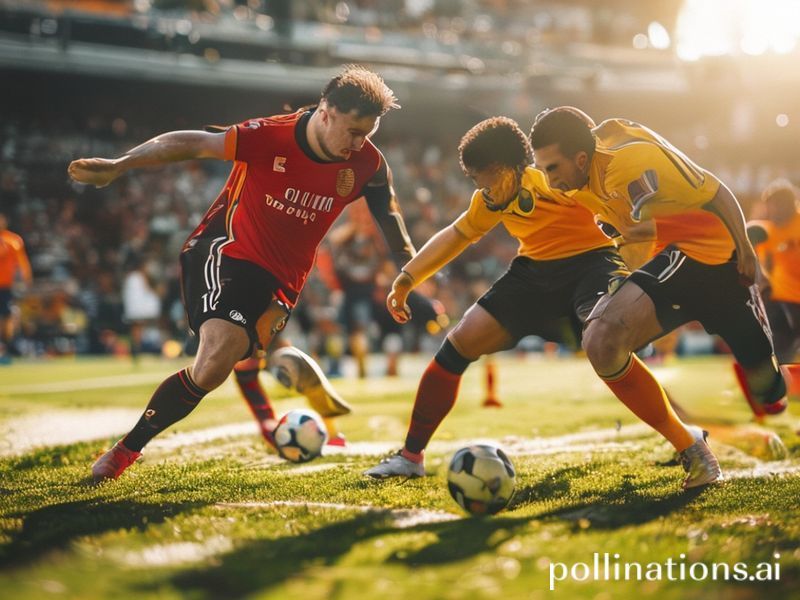
The rivalry between saints and wolves stretches far beyond the boundaries of folklore and into the realms of cultural identity, religious symbolism, and even competitive sports. These two archetypes have been etched into human consciousness for centuries, each representing contrasting values that societies have alternately revered and feared. Saints embody spiritual purity, moral authority, and self-sacrifice, while wolves evoke raw power, cunning survival instincts, and a connection to the untamed wild. When these symbols clash in modern contexts—such as the intense football rivalry between England’s Southampton FC (nicknamed “The Saints”) and Wolverhampton Wanderers FC (known as “The Wolves”)—they tap into something deeply primal in human storytelling.
This dynamic is not unique to English football. Across the globe, narratives of saints and wolves appear in various forms, from the protective wolf companions of Catholic saints like St. Francis of Assisi to the werewolf legends of Slavic and Germanic traditions. These stories often serve as cautionary tales or symbols of transformation, reflecting humanity’s complex relationship with nature and the divine. In contemporary settings, the juxtaposition of these symbols can ignite passion, loyalty, and fierce competition, whether on the field or in the cultural imagination.
The Wolves’ Rise: Power and Ambition in Modern Football
Wolverhampton Wanderers FC, founded in 1877, has long been associated with resilience and ambition. The club’s nickname, “The Wolves,” is a nod to the city’s industrial heritage, where wolves once roamed the surrounding countryside. Over the years, the team has embodied the spirit of perseverance, often punching above its weight in the highly competitive English football landscape. The 2010s marked a particularly transformative period for the club under the ownership of Fosun International, which infused financial stability and a clear vision for growth.
The Wolves’ recent success in the Premier League—securing multiple top-half finishes and even qualifying for European competitions—has solidified their reputation as a team that refuses to be underestimated. Their style of play, characterized by physicality, tactical discipline, and a never-say-die attitude, mirrors the traits of their lupine namesake. This resurgence has not only endeared them to their loyal fanbase but also earned them respect across the footballing world.
A Brief History of the Saints
Southampton FC, established in 1885, carries a name synonymous with virtue and redemption. The club’s origins are rooted in the St. Mary’s Church Young Men’s Association, and its early years were defined by a commitment to community and moral values. Over time, the Saints have become known for their attacking football and the development of young talent, earning a reputation as a club that nurtures potential. Their most iconic moment came in 1976 when they lifted the FA Cup, a victory that remains a cornerstone of their identity.
Despite periods of struggle, including relegations and financial challenges, the Saints have consistently demonstrated an ability to bounce back. Their recent years in the Premier League have been marked by a blend of youthful exuberance and tactical maturity, often defying expectations. The club’s nickname, “The Saints,” reflects a sense of pride in their heritage and a belief in the power of redemption—a theme that resonates with fans and players alike.
When Symbols Collide: The Cultural Significance of the Rivalry
The rivalry between Saints and Wolves transcends the pitch, tapping into broader cultural narratives. Saints represent ideals of purity, sacrifice, and divine favor, while wolves symbolize wildness, freedom, and sometimes danger. When these two forces meet in competition, the clash feels almost mythological. This duality is evident in the way fans engage with the rivalry—Wolves supporters often embrace the underdog mentality, while Saints fans rally behind their club’s reputation for resilience and moral fortitude.
This rivalry also reflects deeper societal themes. In many cultures, wolves are both revered and feared—seen as protectors in some traditions and as symbols of destruction in others. Saints, meanwhile, are often invoked as mediators between the human and the divine, representing hope and redemption. The footballing rivalry, therefore, becomes a modern retelling of an ancient struggle between order and chaos, discipline and instinct.
A Tactical Showdown: How the Teams Match Up
On the field, the Saints vs. Wolves matchup is a fascinating tactical battle. Southampton typically employs a high-pressing, possession-based style, reflecting their emphasis on youth development and technical skill. Their approach under managers like Ralph Hasenhüttl and now Russell Martin has prioritized quick transitions and attacking football, often overwhelming opponents with relentless energy.
Wolves, on the other hand, are known for their structured, organized defense and counterattacking prowess. Under managers like Nuno Espírito Santo and Julen Lopetegui, the team has perfected a system that absorbs pressure before striking with precision. This tactical contrast makes their encounters unpredictable and thrilling, as fans witness the clash of two distinct footballing philosophies.
The physicality of Wolves often tests the Saints’ composure, while Southampton’s technical ability can exploit gaps in Wolves’ defensive setup. This dynamic ensures that every match is a chess game, with managers and players constantly adapting to outmaneuver their opponents.
Key Moments in Recent Encounters
The Saints vs. Wolves rivalry has produced several memorable moments in recent years. Here are a few highlights:
- 2019/20 Premier League: Wolves secured a 2-0 victory at St. Mary’s Stadium, with goals from Raúl Jiménez and Adama Traoré. The win was crucial in Wolves’ push for a top-seven finish.
- 2020/21 FA Cup: Southampton edged out Wolves 1-0 in a tightly contested quarterfinal, with a late goal from Ché Adams sealing their passage to the semifinals.
- 2022/23 Premier League: Wolves claimed a 2-1 win at Molineux, with goals from Matheus Cunha and Daniel Podence. The match was marked by Wolves’ resilience and Southampton’s late fightback.
These encounters highlight the ebb and flow of the rivalry, with each team enjoying periods of dominance. What makes this rivalry particularly compelling is the unpredictability—no result is ever a foregone conclusion.
Beyond Football: The Global Legacy of Saints and Wolves
The themes of saints and wolves extend far beyond English football, appearing in cultures around the world. In Christianity, saints are venerated as intercessors and examples of holy living, while wolves are often depicted as adversaries or, conversely, as guides. In Native American traditions, wolves are revered as symbols of loyalty and family, embodying traits that contrast sharply with the solitary, penitent saint.
In literature and film, the juxtaposition of these symbols continues to captivate audiences. From the werewolf tales of European folklore to the saintly figures in religious texts, these archetypes serve as a mirror to human nature—exploring themes of morality, transformation, and the struggle between civilization and the wild. The Saints vs. Wolves football rivalry, therefore, is more than just a sporting contest; it is a modern manifestation of an age-old narrative.
This global perspective adds depth to the rivalry, reminding fans that the clash between these two teams is part of a much larger cultural conversation. Whether on the pitch or in the pages of history, the battle between saints and wolves continues to resonate.
A Rivalry That Endures
The Saints vs. Wolves rivalry is a testament to the power of symbolism in sports. It is a clash not just of teams, but of ideas—order versus instinct, discipline versus freedom, redemption versus resilience. This rivalry transcends the boundaries of football, tapping into something universal in the human experience.
As both clubs continue to evolve, their encounters will remain a highlight of the English football calendar. For fans, the rivalry is a source of pride, passion, and endless debate. Whether you stand with the Saints or the Wolves, one thing is certain: this is a rivalry that will endure, just as the stories of saints and wolves have endured through the ages.
For more on football rivalries and cultural analysis, explore our Sports and Culture sections.