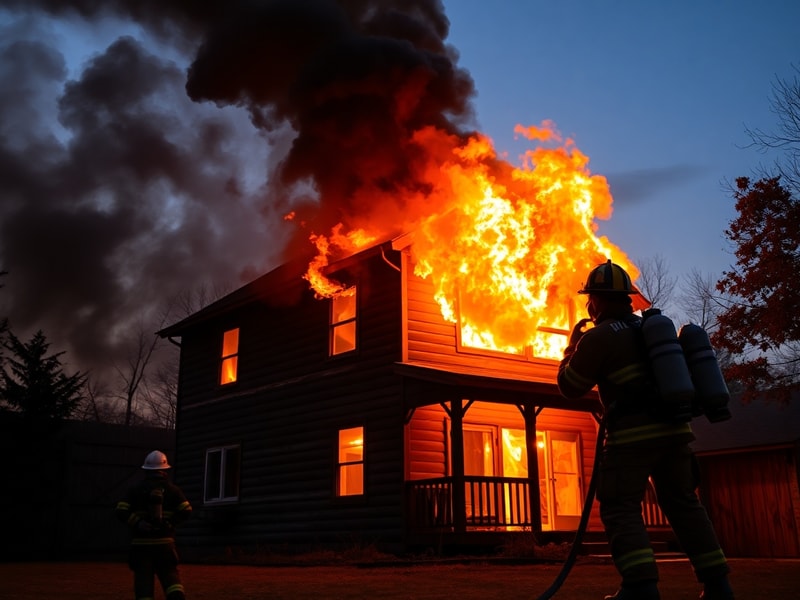
The Tracy Fire, which ignited on the afternoon of October 12, 2023, quickly became one of the most closely watched wildfires in Northern California. Originating near the rural outskirts of Tracy, California, the fire spread rapidly due to strong seasonal winds and dry conditions. Firefighters from multiple agencies worked around the clock, but the blaze consumed over 1,800 acres before containment was declared six days later. The incident highlighted both the vulnerabilities of the region and the resilience of its residents.
Evacuation orders affected hundreds of homes, with some residents displaced for nearly a week. While no fatalities were reported, the fire destroyed three structures and damaged several others. The emotional toll on the community was significant, as many families grappled with the loss of property and the uncertainty of returning to their homes. Local officials praised the coordinated response, but questions arose about long-term fire prevention strategies.
The Fire’s Progression and Response Efforts
According to Cal Fire reports, the Tracy Fire began around 2:45 PM when a spark from a downed power line met with high winds and low humidity. By sunset, the fire had already grown to 500 acres, prompting mandatory evacuations for residents in the rural foothills. Firefighters initially struggled to contain the blaze due to erratic wind patterns, which shifted direction multiple times overnight.
The response involved over 400 personnel, including crews from the California Department of Forestry and Fire Protection (Cal Fire), local fire departments, and mutual aid from neighboring counties. Aerial support from water-dropping helicopters and fixed-wing aircraft proved crucial in slowing the fire’s advance. By the third day, containment lines held steady at 60%, but firefighters warned that hot spots could flare up if conditions worsened.
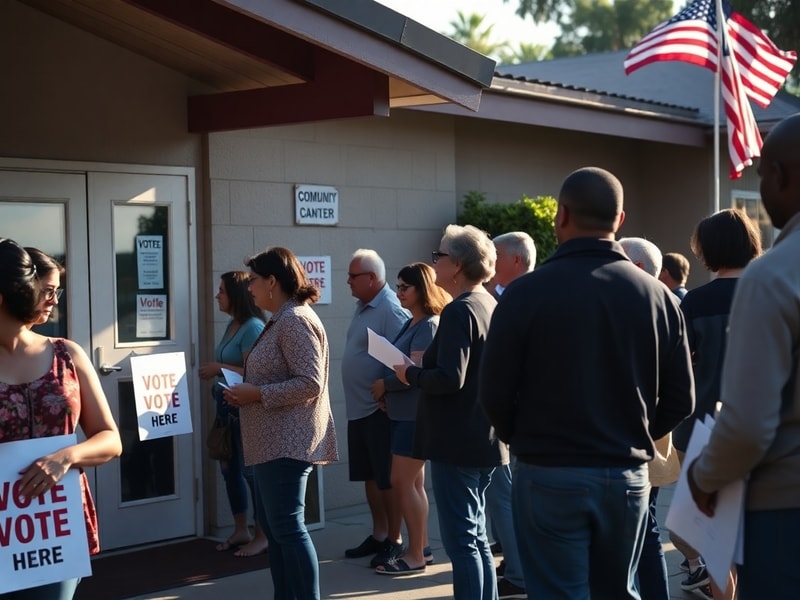
Evacuation centers were set up at the Tracy Community Center and Del Valle High School, providing shelter, food, and emotional support to displaced residents. Local businesses and volunteers donated supplies, including blankets, toiletries, and groceries. The community’s outpouring of support underscored the importance of preparedness in disaster response.
Impact on the Tracy Community
The Tracy Fire left a lasting mark on the local community, both physically and emotionally. While the fire did not reach urban areas, it exposed gaps in emergency communication and infrastructure. Some residents criticized the delayed notification system, which left them scrambling to prepare after the evacuation order was issued. Others praised the swift action of first responders, who worked tirelessly to protect lives and property.
In the aftermath, local officials announced plans to review emergency alert systems and improve coordination with utility companies to prevent future incidents. Residents shared their stories of survival, with many noting the importance of having an evacuation plan in place. The fire also sparked conversations about the need for defensible space around homes, a critical factor in fire resilience.
For those directly affected, the recovery process has been slow. The local news section on Dave’s Locker has covered several personal accounts, including a family who lost their ranch to the flames. Their story serves as a reminder of the fire’s human toll and the importance of community support in times of crisis.
Lessons from the Tracy Fire
The Tracy Fire offers several key takeaways for both residents and policymakers. First, it underscored the need for better wildfire preparedness, particularly in rural areas where emergency services may be stretched thin. Residents are encouraged to create defensible spaces around their properties, clear dry vegetation, and have an evacuation plan ready. Local fire departments have since hosted workshops on fire safety and emergency preparedness.
Second, the incident highlighted the importance of clear communication during emergencies. Many residents expressed frustration with the delayed alert system, which relied on reverse 911 calls and social media updates. In response, the county has committed to upgrading its alert system to include text messages and mobile app notifications. This change aims to ensure that critical information reaches residents as quickly as possible.
Third, the fire served as a reminder of the interconnectedness of communities in times of crisis. Neighbors helped each other evacuate, local businesses donated supplies, and volunteers provided emotional support. These acts of kindness demonstrated the strength of the Tracy community and its ability to come together during challenging times.
Looking Ahead: Fire Prevention and Preparedness
As the Tracy community continues to recover, local officials are focusing on long-term fire prevention strategies. One initiative involves expanding shaded fuel breaks, which are designed to reduce the intensity of wildfires by thinning out dense vegetation. Another effort focuses on educating residents about fire-safe landscaping and home hardening, which can help properties withstand embers and flames.
The county has also applied for additional state and federal funding to support fire prevention programs. These funds will be used to purchase new equipment, train firefighters, and improve emergency response infrastructure. While the threat of wildfires remains a constant in California, these steps aim to reduce the risk and protect communities like Tracy.
For residents, staying informed and prepared is essential. The analysis section on Dave’s Locker offers resources on wildfire preparedness, including checklists and tips for creating defensible spaces. By taking proactive steps, residents can help mitigate the impact of future fires and ensure the safety of their families and properties.
Key Takeaways for Residents
- Create a defensible space around your property by clearing dry vegetation and maintaining a 100-foot buffer zone.
- Sign up for emergency alerts through your county’s notification system to receive real-time updates.
- Develop an evacuation plan that includes multiple routes and a designated meeting point for family members.
- Stay informed about local fire conditions and follow the guidance of emergency officials.
The Tracy Fire was a stark reminder of the power of nature and the importance of community resilience. While the fire caused significant damage, it also brought people together and sparked conversations about preparedness and prevention. As the community rebuilds, the lessons learned from this incident will shape future efforts to protect lives, property, and the environment.