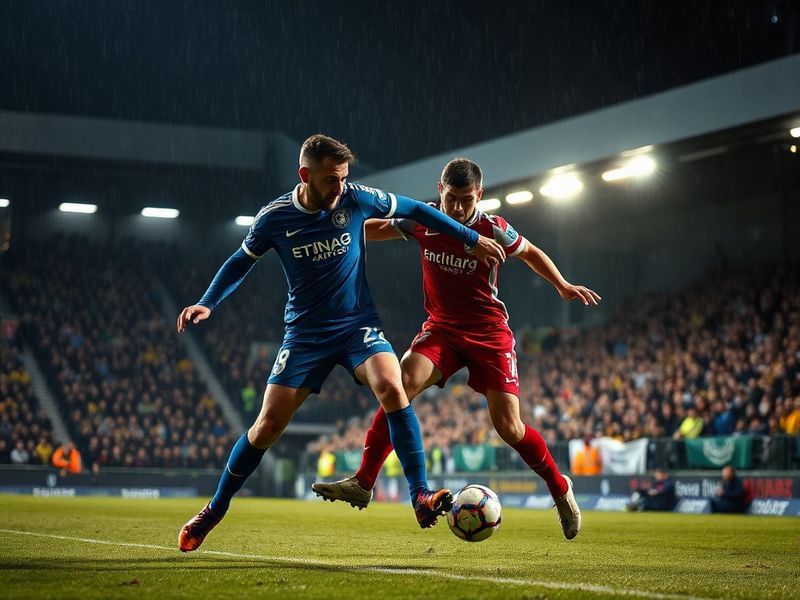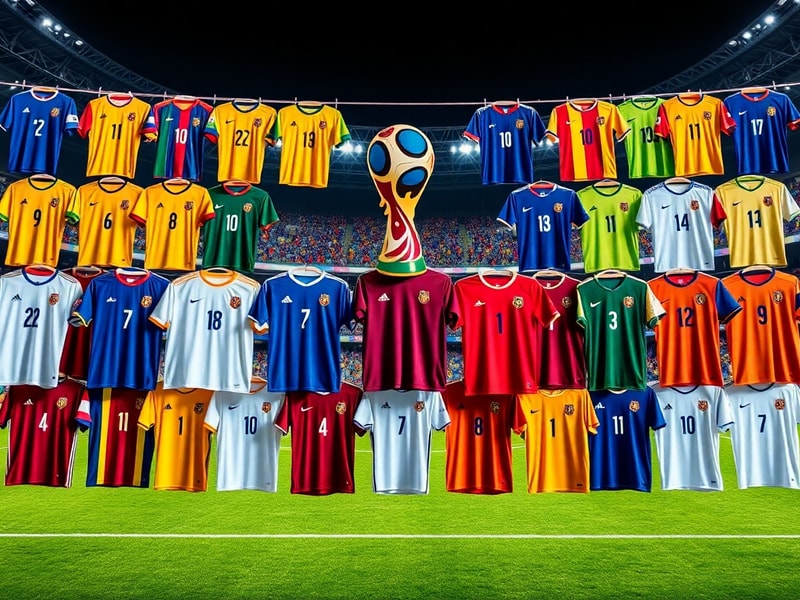
The FIFA World Cup represents more than a tournament; it is a four-week spectacle where nations step beyond borders to compete under the banner of football. Every four years, 32 teams from six confederations gather to write stories that transcend sport—stories of triumph, heartbreak, and cultural pride. This isn’t just a sporting event; it’s a global conversation played out on 11-player canvas.
What makes the World Cup unique is its ability to unite and divide in equal measure. Fans drape themselves in national colors. Cities pause. Entire countries breathe, exhale, and sometimes weep together. The World Cup doesn’t belong to one league or continent. It belongs to the world—and that’s why the teams that qualify carry more than athletic talent. They carry identities.
The Traditional Powerhouses: Legacy and Expectations
Certain nations have long been synonymous with football excellence. Brazil, Germany, Italy, Argentina, and France don’t just show up; they arrive with legacies etched into the game’s DNA. These teams don’t just play—they perform, often under the weight of history.
Brazil, for instance, is the only nation to have competed in every World Cup since 1930. Their style—joga bonito—isn’t just a strategy; it’s an identity. When Neymar steps onto the pitch, he carries the dreams of a nation where football is religion. Similarly, Germany’s efficiency and tactical precision reflect a culture that values discipline and innovation. Four World Cup titles don’t just speak of past glory; they set a standard.
Argentina’s journey in recent decades mirrors a nation in search of closure. Lionel Messi’s 2022 triumph wasn’t just a personal milestone; it was a national catharsis. When he lifted the trophy in Qatar, millions across Buenos Aires erupted—not just for the win, but for the relief of decades of near-misses. These moments transcend sport. They become state-sanctioned pride.
Yet with great expectation comes intense scrutiny. When France, the 2018 champions, failed to advance past the group stage in 2022, the backlash wasn’t just sporting. It was national. The team, built on a foundation of multicultural talent, became a mirror reflecting France’s own debates on identity and belonging. The World Cup forces nations to confront more than tactics—it forces them to confront themselves.
The Rising Contenders: From Periphery to Prominence
While traditional powers dominate headlines, the World Cup’s magic lies in its unpredictability. Teams from Africa, Asia, and North America have steadily transformed from underdogs to legitimate threats.
Morocco’s historic run to the semifinals in 2022 wasn’t an anomaly—it was the culmination of decades of growth. A nation where football is both escape and aspiration, Morocco’s journey resonated deeply across Africa. When they defeated Spain and Portugal, it wasn’t just an upset; it was a declaration. Football in Africa isn’t just growing. It’s evolving.
Japan’s national team has become a symbol of resilience and adaptability. Their disciplined, high-pressing style reflects a society that values harmony, precision, and collective effort. When Japan defeated Germany and Spain in 2022, they didn’t just advance—they redefined what Asian football could achieve.
Even CONCACAF has seen a shift. Mexico and the United States have long been regional giants, but the rise of Canada and Costa Rica signals a new balance. Costa Rica’s quarterfinal run in 2014 remains one of the most inspiring stories in World Cup history—a reminder that passion and organization can topple giants.
These stories do more than entertain. They redefine global football hierarchies and inspire generations. When Senegal won their first-ever match at the 2002 World Cup, defeating France, it wasn’t just a win. It was a declaration that football’s center could shift—permanently.
Key Factors Behind the Rise of New Contenders
- Youth Development: Nations investing in academies and grassroots programs, like Morocco and Japan, are reaping rewards.
- Diaspora Influence: Players born abroad but representing ancestral nations—think French-born Moroccan stars—bridge cultures and elevate teams.
- Tactical Innovation: Coaches from outside Europe are bringing fresh systems and philosophies to the global stage.
- Domestic League Growth: Stronger local leagues provide platforms for players to develop before international exposure.
The Wildcards: Dark Horses and Homegrown Heroes
Every World Cup produces at least one team that defies logic. These aren’t just underdogs—they’re cultural phenomena disguised as sporting entities.
In 2006, it was Ghana. A young, fearless team led by Michael Essien and Sulley Muntari nearly reached the semifinals. Their style was electric, their belief unshakable. Though they fell to Brazil in a heart-stopping quarterfinal, they announced Africa’s arrival on the global stage.
In 2010, it was Uruguay. With Diego Forlán as their talisman and a defense marshaled by Diego Lugano, they played with swagger and grit. Their third-place finish was a reminder that passion can outlast pedigree.
And then there’s Croatia. A nation of just four million, they’ve reached three consecutive semifinals—2018 and 2022. Their style is relentless, their spirit indefatigable. Luka Modrić, their captain, embodies the Croatian journey: from war-torn nation to football royalty. Their story isn’t about winning. It’s about surviving—and thriving.
These teams remind us that the World Cup isn’t just a competition. It’s a narrative engine. It takes obscure players and turns them into legends. It turns forgotten nations into household names. It turns doubt into devotion.
The Cultural and Economic Impact of World Cup Teams
The World Cup isn’t just watched—it’s experienced. It transforms host cities into global stages, where languages, cuisines, and cultures collide in a celebration of humanity. When South Africa hosted in 2010, it wasn’t just a tournament. It was a rebranding of a continent often reduced to stereotypes. The vuvuzela became a global anthem. Nelson Mandela’s legacy was honored on the pitch. Football became a tool for national healing and international recognition.
Economically, the impact is undeniable. Host nations invest billions in infrastructure, but the return goes beyond stadiums. Tourism surges. Brands align. Entire economies pivot toward hospitality and media. Qatar’s 2022 World Cup, despite controversy, delivered record-breaking broadcasts to over five billion people. The ripple effect touches airlines, broadcasters, and local businesses for years.
For players, the World Cup can be career-defining—or career-ending. A single tournament can launch a global superstar or end a promising career. The pressure is immense. The rewards? Immortal.
But the impact isn’t limited to hosts. Every team that qualifies brings its own culture to the tournament. The drums of Senegalese fans. The samba rhythms of Brazil. The passionate chants of Mexican supporters. The World Cup is a symphony of global sound, where every nation plays its own melody—and together, they create harmony.
How Teams Shape National Identity
- Symbol of Unity: Teams like Japan after disasters or Colombia during peace processes use football as a unifying force.
- Soft Power: Nations like Qatar and Saudi Arabia invest in football to enhance global prestige and diversify economies.
- Youth Aspiration: Seeing a player from one’s neighborhood represent their nation inspires millions to lace up their boots.
- Political Statement: Teams have used tournaments to protest, advocate, or affirm values on the world stage.
Conclusion: More Than a Game
The World Cup teams that step onto the pitch each tournament carry more than jerseys and boots. They carry stories. They carry the hopes of millions. They carry the weight of history and the promise of the future.
From the polished systems of Europe to the raw passion of South America, from the disciplined rise of Asia to the emotional surges of Africa, the World Cup is a mirror of the world itself—beautiful, flawed, and always evolving. It’s where nations don’t just play football. They narrate their souls.
And when the final whistle blows, the game doesn’t end. It lingers—in memory, in culture, and in the next generation of players who will dream of lifting the trophy themselves.
That’s the power of the World Cup. It doesn’t just bring teams together. It brings the world together—one match, one goal, one unforgettable moment at a time.
For more on international football and global sporting trends, explore our Sports section. To dive into cultural analysis of how football shapes societies, visit our Culture category.