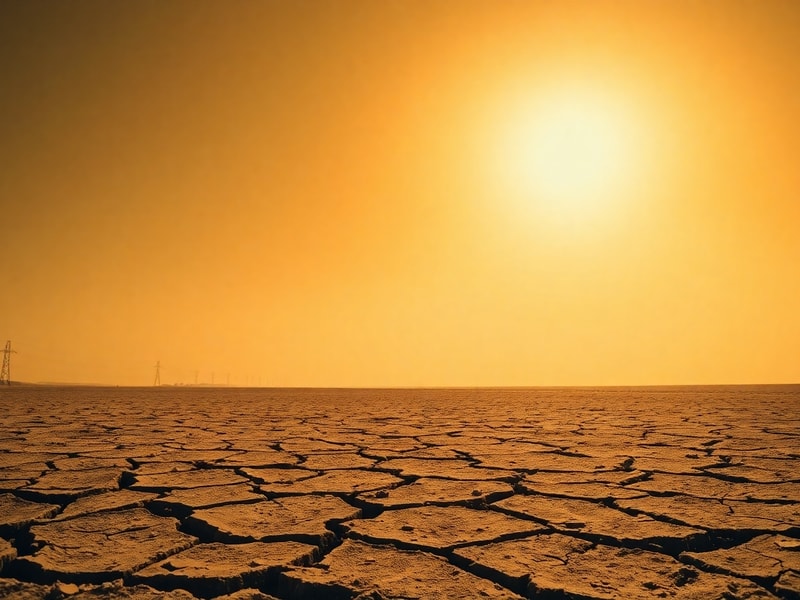
Extreme Heat Warnings Rise as Global Temperatures Soar
“`html
Global Extreme Heat Warnings: A Growing Climate Reality
The past decade has seen a dramatic rise in extreme heat warnings across the globe. What was once considered an occasional weather anomaly has become a recurring reality for millions. From the concrete jungles of North America to the ancient streets of the Mediterranean, record-breaking temperatures are no longer confined to summer headlines. They are reshaping daily life, straining infrastructure, and forcing societies to confront a warming planet head-on.
The Science Behind the Scorching Temperatures
Extreme heat warnings are issued when temperatures or heat indices are expected to reach dangerous levels that can pose serious health risks. The thresholds vary by region, but generally, warnings are triggered when temperatures exceed 100°F (38°C) for consecutive days, or when nighttime temperatures remain unusually high. According to the World Meteorological Organization (WMO), the past eight years were the warmest on record globally, with 2023 marking the hottest summer in Europe since at least 1540.
Scientists attribute this surge in extreme heat to a combination of natural climate variability and human-induced global warming. The burning of fossil fuels has increased greenhouse gas concentrations in the atmosphere, trapping heat and altering weather patterns. The result is longer, more intense heatwaves that linger over regions, often with deadly consequences. In 2022, Europe experienced its second-hottest summer on record, with nearly 62,000 heat-related deaths reported across the continent. The heatwaves were not isolated incidents; they were part of a broader trend that shows no signs of slowing.
A Look at Recent Global Heatwaves
This year alone has seen extreme heat grip multiple continents:
- North America: Cities like Phoenix, Arizona, recorded temperatures exceeding 110°F (43°C) for over 30 consecutive days in July. Meanwhile, Canada battled unprecedented wildfires fueled by dry, hot conditions, displacing thousands and filling the air with hazardous smoke.
- Europe: Southern regions such as Spain and Italy faced temperatures soaring above 115°F (46°C), prompting authorities to issue health alerts and restrict outdoor activities during peak hours.
- Asia: India and Pakistan experienced one of the longest and most severe heatwaves in their history, with temperatures surpassing 120°F (49°C) in some areas. The extreme heat disrupted daily life, damaged crops, and led to widespread power outages as demand for cooling surged.
- Australia: While typically associated with summer heat, parts of the country faced unseasonably high temperatures in late winter, a phenomenon linked to shifting atmospheric patterns and warming oceans.
Cultural and Societal Impacts of Extreme Heat
Beyond the immediate health risks, extreme heat reshapes cultures, economies, and social structures. In many parts of the world, daily routines are dictated by the thermometer. In India, for example, the traditional afternoon siesta has become a necessity rather than a cultural quirk, as workers seek refuge from the midday sun. Meanwhile, in the Middle East, where temperatures regularly exceed 120°F (49°C) in summer, outdoor markets and social gatherings often pause during the hottest hours, shifting life indoors.
Tourism, a cornerstone of many economies, is also feeling the heat. Popular destinations like Greece and Spain are reconsidering peak season strategies, promoting autumn and spring travel to avoid the worst of the summer scorch. Even sports events, such as the marathon in Athens, have been relocated or rescheduled to cooler months to protect athletes and spectators alike.
Food systems are not immune to the effects of extreme heat. Agricultural regions face crop failures, reduced yields, and increased irrigation demands. In California’s Central Valley, one of the world’s most productive agricultural areas, heatwaves have led to water shortages and forced farmers to adapt by planting heat-resistant crops or investing in new technologies. The global ripple effect is felt in food prices, supply chains, and even culinary traditions, as certain ingredients become scarce or prohibitively expensive.
Adapting to a Hotter World
As extreme heat becomes the new normal, governments, communities, and individuals are seeking ways to adapt. Urban planners are incorporating more green spaces, reflective building materials, and heat-resilient infrastructure into city designs. In Los Angeles, the “Cool Streets” initiative repaints asphalt with reflective coatings to reduce surface temperatures, while in Paris, officials have planted thousands of trees to create shaded corridors and cool public spaces.
Public health responses are also evolving. Heat action plans, which include early warning systems, cooling centers, and targeted outreach to vulnerable populations, are becoming standard in many cities. In Ahmedabad, India, a pioneering heat action plan has reduced heat-related deaths by 35% since its implementation in 2013. The plan involves real-time temperature monitoring, public awareness campaigns, and coordination between hospitals and local authorities.
At the individual level, adaptation means rethinking daily habits. People are investing in energy-efficient cooling systems, wearing lighter clothing, and adjusting work schedules to avoid peak heat. However, these solutions are not universally accessible. For low-income communities and those in informal settlements, extreme heat exacerbates existing inequalities, as access to cooling technologies and safe shelter remains limited.
Technological Innovations on the Horizon
The fight against extreme heat is not just about survival; it’s also about innovation. Researchers are exploring breakthroughs that could mitigate the effects of rising temperatures:
- Heat-Reflective Materials: Scientists are developing paints and coatings that can reflect up to 98% of sunlight, significantly reducing the urban heat island effect. These materials are being tested on roads, buildings, and even clothing.
- Smart Grids and Energy Storage: As demand for electricity spikes during heatwaves, smart grids that balance energy distribution and storage solutions like battery systems are becoming critical to preventing blackouts.
- Heat-Resistant Crops: Agricultural scientists are engineering crop varieties that can withstand higher temperatures and drought conditions, ensuring food security in vulnerable regions.
- Personal Cooling Devices: Wearable technologies, such as cooling vests powered by phase-change materials or even AI-driven climate-adaptive clothing, are entering the market to help individuals stay comfortable outdoors.
Looking Ahead: A Collective Responsibility
While adaptation strategies are essential, they are not enough to address the root cause of extreme heat: climate change. The Intergovernmental Panel on Climate Change (IPCC) warns that without significant reductions in greenhouse gas emissions, heatwaves will become more frequent, intense, and longer-lasting. The urgency of the situation demands collective action—from policymakers implementing stricter environmental regulations to corporations investing in sustainable practices and individuals making conscious lifestyle choices.
The extreme heat warnings of today are a stark reminder of the climate challenges ahead. They are also a call to action. Communities around the world are proving that adaptation is possible, but it must be paired with mitigation efforts to ensure a habitable planet for future generations. Whether through technological advancements, policy changes, or cultural shifts, the fight against extreme heat is a global endeavor that requires everyone’s participation.
The question is no longer whether societies can endure the heat, but how they will rise to the challenge of cooling the planet itself.