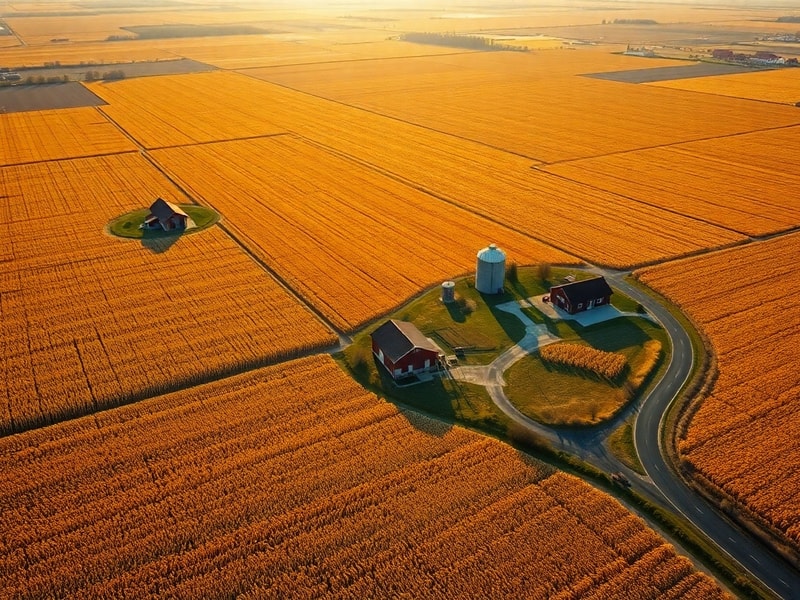
Nestled along the banks of the Illinois River, LaSalle County remains one of the state’s most overlooked yet historically rich regions. With a population just shy of 110,000, it offers a blend of industrial legacy, natural beauty, and small-town charm that defies the stereotype of Illinois as merely a suburban corridor between Chicago and St. Louis.
The county’s story is one of resilience and reinvention. Once the heart of Illinois’ mining and manufacturing boom, LaSalle now balances its industrial past with a growing emphasis on tourism, agriculture, and renewable energy. Its strategic location—just 90 miles southwest of Chicago—makes it a critical link in the state’s infrastructure, yet it retains a slower pace of life that feels increasingly rare in the modern Midwest.
The Industrial Backbone: A Legacy of Steel and Sand
LaSalle County’s identity has long been tied to its industrial roots. The region became a powerhouse in the 19th and 20th centuries thanks to its abundant natural resources. The Illinois River provided a vital transportation route, while deposits of coal, limestone, and silica sand fueled the growth of industries like steel production and glass manufacturing.
Oglesby, one of the county’s largest cities, was once home to the Illinois Zinc Company, a major employer for decades. Though many of these industries have scaled back or relocated, their legacy lingers in the county’s economic DNA. Today, manufacturing still accounts for a significant portion of local jobs, with companies like Midwest industrial firms maintaining a presence in the area.
The decline of traditional manufacturing has prompted LaSalle County to diversify. Efforts to attract new industries—particularly in logistics and renewable energy—are underway, with the county leveraging its central location and infrastructure to position itself as a hub for future growth.
Natural Wonders and Outdoor Recreation
Beyond its industrial past, LaSalle County boasts some of northern Illinois’ most stunning natural landscapes. The Illinois River Valley, part of the larger Mississippi Flyway, is a haven for birdwatchers, hunters, and anglers. Starved Rock State Park, located just south of the county line, draws over 2 million visitors annually with its dramatic sandstone canyons, waterfalls, and hiking trails.
Closer to home, LaSalle County offers its own outdoor attractions. Buffalo Rock State Park, home to a herd of American bison and a replica Native American village, provides both education and recreation. The Vermilion River, a tributary of the Illinois, winds through the county, offering kayaking, fishing, and scenic views. For those who prefer land-based activities, the Heritage Corridor Trail provides 60 miles of paved pathways for biking and walking.
The county’s commitment to conservation is evident in its protected lands and ongoing restoration projects. Efforts to improve water quality in the Illinois River and preserve native habitats have gained momentum in recent years, reflecting a broader trend in the Midwest toward environmental stewardship.
Small Towns with Big Character
LaSalle County’s charm lies in its communities. Cities like Peru, LaSalle, and Ottawa each offer a distinct flavor, from Peru’s annual Ethanol Conference, which draws industry leaders from around the world, to Ottawa’s historic downtown district, lined with 19th-century buildings and local boutiques.
Peru, known as the “Gateway to Starved Rock,” has transformed itself into a tourist-friendly destination while maintaining its industrial roots. The city’s Peru Tech Academy, a partnership with local manufacturers, is training the next generation of skilled workers—a model that could serve as a blueprint for other Rust Belt communities.
LaSalle, the county seat, blends small-town warmth with government and education hubs. The city’s healthcare sector is expanding, with OSF HealthCare Saint Elizabeth Medical Center serving as a major employer. Meanwhile, Ottawa, the oldest settlement in the county, hosts the annual LaSalle County Fair, a celebration of agriculture, music, and local culture that has run for over 170 years.
These communities face challenges common to rural America: an aging population, limited affordable housing, and the need to attract young professionals. Yet they also offer opportunities that are harder to find in larger cities—lower costs of living, tight-knit communities, and a slower pace that prioritizes quality of life.
The Road Ahead: Challenges and Opportunities
LaSalle County’s future hinges on its ability to adapt. The shift away from traditional manufacturing has left a void that new industries—particularly in logistics and renewable energy—are slowly filling. The county’s location along I-80 and I-39 makes it an attractive site for warehouses and distribution centers, while its wind and solar potential positions it as a player in the clean energy transition.
However, challenges remain. Infrastructure upgrades, workforce development, and broadband access are critical needs. The county has made strides in recent years, with initiatives like the LaSalle County Community Foundation investing in local projects and the creation of the LaSalle County Workforce Development Board to align education with industry needs.
Another key factor is tourism. While Starved Rock State Park is a major draw, LaSalle County has the potential to expand its offerings. Ideas like a riverfront cultural district in Ottawa or a heritage tourism trail connecting historic sites could diversify the local economy and create jobs.
The county’s success will depend on collaboration between government, businesses, and residents. Initiatives like the LaSalle County Vision 2030 plan, which outlines goals for economic growth, education, and quality of life, provide a roadmap for the future. Whether these efforts will be enough to reverse population decline and spur sustainable growth remains to be seen—but the foundation is there.
Key Takeaways About LaSalle County
- Industrial Legacy: Once a manufacturing powerhouse, LaSalle County is transitioning to a more diversified economy with a focus on logistics and clean energy.
- Natural Beauty: The Illinois River Valley and state parks like Starved Rock and Buffalo Rock offer outdoor recreation and tourism opportunities.
- Community Strength: Small towns like Peru, LaSalle, and Ottawa maintain their unique identities while working toward shared goals like workforce development and infrastructure improvements.
- Future Outlook: The county’s strategic location and ongoing investments position it for growth, but challenges like population decline and workforce shortages remain.
LaSalle County may not grab headlines like Chicago or collar counties, but its story is one of quiet persistence. It’s a place where history and progress coexist, where natural beauty meets industrial grit, and where the promise of renewal is always on the horizon. For those willing to look beyond the interstates and strip malls, LaSalle County offers a glimpse of what the future of the American Midwest could—and should—look like.