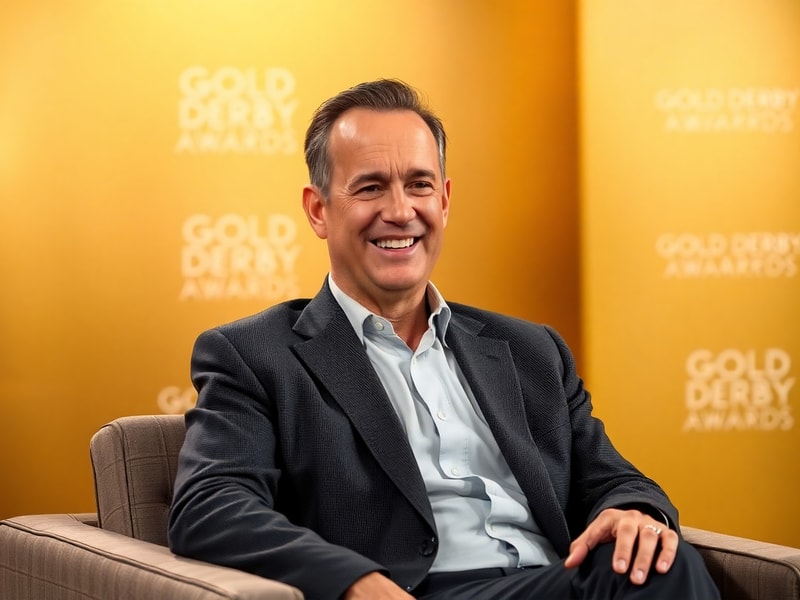
Tom Hanks recently sat down for an in-depth conversation with Gold Derby that offered fans a rare glimpse into his decades-long career. The interview, which aired on January 15, 2024, covered everything from his early struggles in Hollywood to his thoughts on modern filmmaking. Hanks, known for his versatility and authenticity, didn’t shy away from discussing the highs and lows of his journey, making it one of his most revealing interviews in years.
What stood out most was Hanks’ candid reflections on the changing landscape of the entertainment industry. He emphasized the importance of adaptability, noting how actors today must navigate an entirely different playing field compared to when he first entered the business. The conversation also touched on his personal growth, his approach to selecting roles, and his unwavering commitment to storytelling. For fans and aspiring actors alike, the interview served as both inspiration and a masterclass in perseverance.
Hanks’ Early Struggles and Breakthrough Moments
During the Gold Derby interview, Hanks revisited the early years of his career, a period he described as “humbling” and “filled with rejection.” He recalled auditioning for countless roles without success, often sleeping in his car between gigs. His big break came in 1984 with Splash, the romantic comedy about a man who falls in love with a mermaid. The film’s success catapulted him into the spotlight, but Hanks admitted he never took his early fame for granted.
Hanks also reflected on his collaboration with director Ron Howard on Splash and how that partnership shaped his career. The film’s unexpected success allowed him to choose more challenging roles, including his Oscar-nominated performance in Big (1988). His ability to balance commercial appeal with artistic integrity became a hallmark of his career, something he attributes to his refusal to pigeonhole himself.
For those interested in the evolution of Hollywood in the 1980s and 1990s, Hanks’ insights provide a valuable perspective. His journey from unknown actor to one of the most respected figures in the industry offers lessons in resilience and adaptability. Fans looking to explore his early work might want to check out our entertainment category for recommendations on where to start.
Reflections on Awards and Industry Recognition
The Gold Derby interview also delved into Hanks’ relationship with awards season. With two Academy Awards under his belt—for Philadelphia (1993) and Forrest Gump (1994)—he has long been a fixture in Oscar discussions. However, Hanks approached the topic with characteristic humility, stating that he doesn’t chase accolades. Instead, he focuses on the craft of acting and the stories he wants to tell.
Hanks’ comments about the modern awards landscape were particularly noteworthy. He expressed concern about the increasing commercialization of the Oscars, suggesting that the industry has become more focused on box office numbers than artistic merit. “The best films don’t always get the attention they deserve,” he noted, adding that he prefers projects that challenge both him and his audience.
His remarks resonated with many in the industry, especially as debates about awards eligibility and campaign strategies continue to intensify. Hanks’ perspective underscores a growing sentiment that the Oscars, and awards shows in general, may need to reevaluate their criteria for recognition.
The Impact of Streaming and Changing Audience Habits
One of the most forward-looking segments of the interview centered on the rise of streaming platforms and their influence on filmmaking. Hanks acknowledged the seismic shift in how audiences consume content, calling it “both an opportunity and a challenge.” He praised the accessibility of streaming services but expressed reservations about their impact on traditional cinema.
“There’s something special about the communal experience of watching a film in a theater,” he said. “But streaming has democratized storytelling in ways we couldn’t have imagined even a decade ago.” He also highlighted how streaming platforms have allowed for more diverse voices to be heard, though he cautioned that quality can sometimes be overshadowed by quantity.
Hanks’ comments about the future of filmmaking were particularly compelling. He suggested that the industry must find a balance between embracing new technology and preserving the essence of cinema. His willingness to engage with these complex issues reflects his deep understanding of the art form and its evolving nature.
Advice for Aspiring Actors and Storytellers
Toward the end of the interview, Hanks offered advice for aspiring actors and filmmakers. His words were practical, grounded, and devoid of clichés. He emphasized the importance of persistence, noting that rejection is a part of the process. “If you’re not getting told ‘no’ on a regular basis, you’re not trying hard enough,” he quipped.
Hanks also encouraged aspiring artists to stay true to their vision. He recalled how early in his career, he turned down roles that didn’t align with his values, even when the paychecks were tempting. “Integrity is your most valuable currency,” he said. “Once you compromise that, it’s hard to get it back.”
For those looking to follow in his footsteps, Hanks recommended focusing on the work rather than the fame. He advised actors to study human behavior, observe the world around them, and always be prepared to learn. His insights serve as a reminder that success in this industry is less about luck and more about dedication.
If you’re inspired to explore the craft of acting further, consider checking out our education category for resources on film studies, acting techniques, and industry insights.
Conclusion: A Masterclass in Humility and Authenticity
The Gold Derby interview with Tom Hanks was more than just a retrospective on his career—it was a masterclass in humility, authenticity, and the enduring power of storytelling. Hanks’ willingness to share both his triumphs and vulnerabilities made the conversation feel intimate and relatable. In an era where celebrities often curate their public personas, his candor was refreshing.
What resonated most was his unwavering belief in the importance of the work itself. Whether discussing his early struggles, his thoughts on awards season, or the impact of streaming, Hanks consistently circled back to the art of filmmaking. His advice for aspiring actors was particularly poignant, emphasizing that success is less about external validation and more about the dedication to craft.
As the entertainment industry continues to evolve, Hanks’ insights serve as a reminder of what truly matters in storytelling. His career is a testament to the power of perseverance, integrity, and passion. For fans and aspiring artists alike, the interview is a valuable resource—one that offers both inspiration and practical wisdom.