Brazil stands at a crossroads in 2024, its political, economic, and social landscapes shifting under the weight of global pressures and internal transformations. The phrase “Brasil Hoy”—literally “Brazil Today” in Spanish—captures the urgency of understanding this moment, where history and modernity collide. From Brasília’s corridors of power to the favelas of Rio, the country’s trajectory is being redrawn by forces both domestic and international.
The Political Chessboard: Lula’s Tightrope Walk
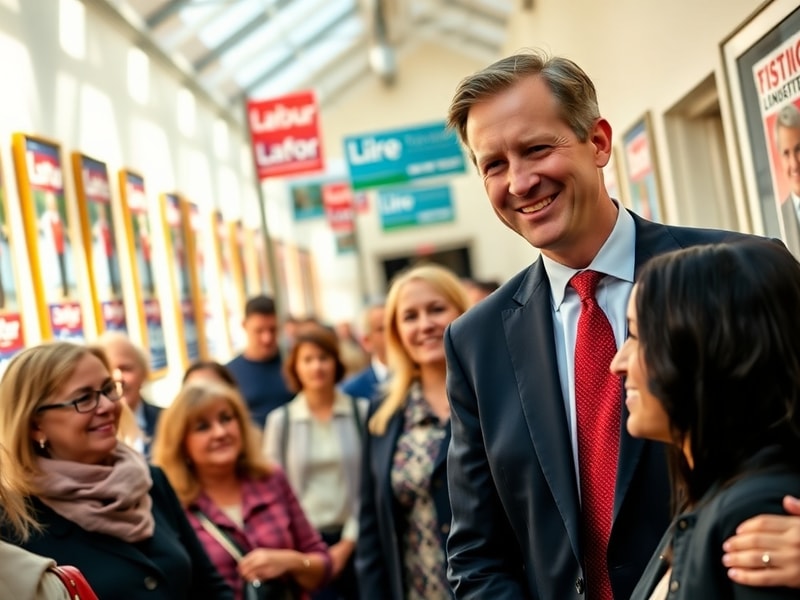
Luiz Inácio Lula da Silva’s return to the presidency has been marked by a delicate balancing act. Elected in 2022 by a razor-thin margin, Lula faces the unenviable task of reconciling a deeply polarized electorate while navigating Brazil’s economic constraints. His administration’s efforts to revive environmental protections in the Amazon—once a global pariah under Bolsonaro—have restored Brazil’s international standing but sparked tensions with rural landowners and agribusiness interests.
The political opposition, emboldened by the 2022 election results, has not relented. A resurgent right-wing bloc in Congress, led by figures like Senate President Rodrigo Pacheco, has repeatedly challenged Lula’s legislative agenda. Key reforms, including tax and pension adjustments, remain stalled in a fragmented legislature where no single party holds a majority. Meanwhile, the specter of corruption scandals—long a stain on Brazilian politics—looms large, with probes into alleged bribery schemes threatening to ensnare even Lula’s inner circle.
Key Challenges for Lula’s Government
- Congressional Gridlock: A fractured Congress complicates even routine governance.
- Economic Stagnation: High unemployment and inflation erode public confidence.
- Environmental Backlash: Agricultural lobbies oppose stricter Amazon protections.
- Security Crisis: Record violence in states like Bahia and Pernambuco demands urgent action.
Economic Crosswinds: Growth vs. Inequality
Brazil’s economy is a study in contrasts. On paper, GDP growth of 2.9% in 2023 outpaced many Western nations, but this headline figure masks deeper inequalities. The booming agribusiness sector—responsible for nearly 30% of exports—thrives while urban centers grapple with underemployment. The Central Bank’s aggressive interest rate cuts in early 2024 aim to spur investment, yet skepticism lingers among businesses wary of political instability.
The real estate market presents another paradox. In São Paulo and Rio, luxury developments cater to a wealthy elite, while millions struggle with housing insecurity. The government’s Housing Program for All has made incremental progress, but critics argue it lacks the scale to address systemic shortages. Meanwhile, Brazil’s burgeoning fintech sector—home to startups like Nubank and PagBank—continues to disrupt traditional banking, offering financial services to millions previously excluded from the system.
Social Fabric: Favelas, Faith, and Football
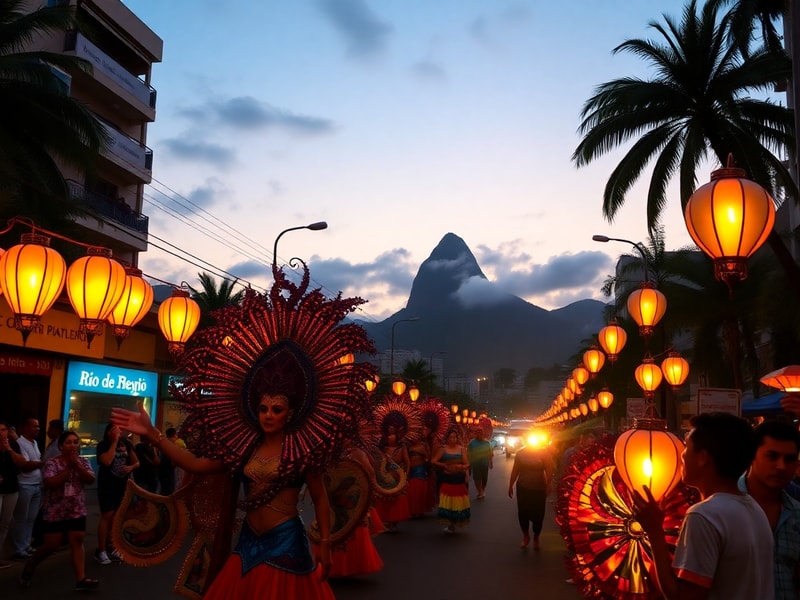
Brazil’s cultural identity remains a powerful unifier amid its divisions. The favelas, often romanticized in global media, are complex ecosystems where resilience and violence coexist. Rio’s pacification efforts have yielded mixed results, with some communities seeing reduced crime rates while others remain under the control of armed factions. The 2024 Carnival, a dazzling display of samba and protest, underscored the resilience of grassroots movements like the Favelas’ Cultural Renaissance.
Religion, too, plays a pivotal role. Evangelical Christianity’s influence has surged, with nearly a third of Brazilians identifying as Pentecostal. This shift has redefined politics, with evangelical leaders like Pastor Marco Feliciano wielding significant influence over legislation, particularly on issues like abortion and LGBTQ+ rights. Yet, the Catholic Church—historically a pillar of social justice—retains moral authority, especially in indigenous and Afro-Brazilian communities.
Football, or soccer, remains the country’s emotional heartbeat. The 2026 World Cup looms large, with Brazil’s national team under intense scrutiny after a disappointing 2022 World Cup exit. Stadium renovations in cities like Manaus and Brasília face delays, raising questions about preparedness. Yet, the sport’s grassroots level thrives, with programs like Gol do Brasil using football to steer youth away from crime.
Broader Implications: Brazil’s Role on the World Stage
Brazil’s choices reverberate far beyond its borders. As a leader in the BRICS alliance, its alignment with China, Russia, and India shapes global trade dynamics. The country’s stance on Ukraine—condemning the invasion while maintaining ties with Moscow—highlights its precarious diplomatic balancing act. Meanwhile, its environmental policies are a litmus test for the world’s ability to curb deforestation in the Amazon, a critical carbon sink.
Economically, Brazil is courted by both the West and the Global South. The European Union’s proposed trade deal with Mercosur remains stalled over environmental concerns, while China’s demand for Brazilian soy and iron ore ensures deep economic ties. The 2024 BRICS summit in Kazan, Russia, will likely see Brazil push for expanded trade mechanisms to reduce dollar dependency—a move that could reshape global finance.
Domestically, the rise of digital activism is another defining feature. Platforms like Twitter and TikTok have become battlegrounds for political discourse, with influencers like Felipe Neto and Maju Coutinho shaping public opinion. The government’s attempts to regulate social media—part of a broader crackdown on misinformation—have drawn criticism from free-speech advocates. Yet, these digital spaces also amplify marginalized voices, from indigenous activists like Sônia Guajajara to Afro-Brazilian feminists demanding reparations.
The Road Ahead: What to Watch in 2024
Several pivotal moments will define Brazil’s trajectory this year:
- Municipal Elections (October 2024): A litmus test for Lula’s party and the opposition’s resilience.
- Amazon Deforestation Rates: Will Lula’s crackdowns yield measurable progress?
- Fiscal Reforms: Can Brazil balance austerity with social spending?
- World Cup Preparations: Will infrastructure projects meet deadlines?
Conclusion: A Nation at the Crossroads
Brasil Hoy is a story of contradictions—where progress and peril walk hand in hand. Lula’s government, though flawed, has restored a measure of stability, but the road to reconciliation is long. Economic growth offers hope, yet inequality persists. Cultural vibrancy thrives amid social strife. Brazil’s global role is increasingly assertive, yet domestic challenges threaten its stability.
What emerges from this crucible will shape not just Brazil’s future, but the contours of Latin America and the Global South. As the world watches, the question is no longer whether Brazil will change—but how. For those invested in its fate, the answer lies in the streets of São Paulo, the halls of Brasília, and the dense jungles of the Amazon.
For more on Brazil’s evolving political landscape, explore our News and Analysis sections.