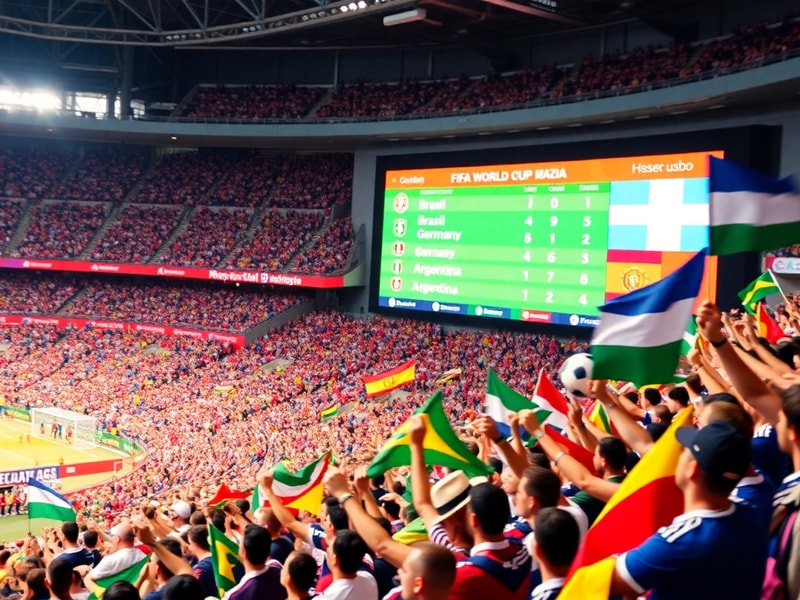
The FIFA World Cup is more than a tournament—it’s a four-year cycle of anticipation, disappointment, and occasional glory. Rankings shift like tectonic plates, reflecting not just current form but the broader evolution of football. Some nations rise unexpectedly, while others cling to fading reputations. Understanding these movements requires looking beyond match results to the underlying forces shaping the game.
How Rankings Are Calculated
FIFA’s ranking system, introduced in 2018, uses a points-based model that rewards performance in competitive matches. Points are awarded for wins, draws, and goals scored, with bonus points for beating higher-ranked opponents or winning tournaments. The system aims to be more dynamic than its predecessor, which many critics argued over-rewarded friendly matches.
Key factors include:
- Match result: Winning a World Cup qualifier earns more points than winning a friendly.
- Opponent strength: Defeating a top-10 team carries more weight than beating a lower-ranked side.
- Game importance: World Cup matches carry higher multipliers than regional tournaments.
- Goals scored: Blowout wins add marginal extra points compared to narrow victories.
This structure prevents stagnation. Teams like Belgium and France have climbed steadily by dominating qualifiers, while traditional powerhouses like Italy have stumbled due to inconsistent results. The system isn’t perfect—controversies still arise over match scheduling and perceived unfair weightings—but it’s the most transparent ranking method FIFA has ever used.
Teams on the Rise
Several nations have defied expectations in recent cycles, leveraging youth development, tactical innovation, or sheer athleticism to break into the top 10. Morocco’s historic 2022 World Cup run, where they became the first African team to reach the semifinals, wasn’t a fluke—it was the result of a decade-long investment in infrastructure and coaching.
Other notable risers include:
- Japan: Consistently overperforms in World Cups despite limited resources. Their technical style and disciplined tactics make them a nightmare for traditional powerhouses.
- Canada: Rapid ascent fueled by immigration policies that bring in elite talent from Europe and South America. Their 2022 World Cup debut marked a generational shift.
- Senegal: The 2021 Africa Cup of Nations winners have built a team around physicality and tactical flexibility, proving African football is more than just raw talent.
These teams share a common thread: they prioritize development over short-term results. While traditional giants rely on established stars, rising nations invest in academies and coaching staff. The gap between haves and have-nots is narrowing, and World Cup rankings reflect that.
Teams in Decline
Conversely, some footballing heavyweights have seen their rankings slip due to aging squads, poor management, or changing global dynamics. The Netherlands, once a perennial contender, has struggled to replicate their 2014 brilliance. Injuries, tactical rigidity, and internal disputes have derailed their progress. Their 2022 World Cup exit in the quarterfinals was met with national soul-searching.
Other declining forces include:
- Italy: The 2006 champions missed two consecutive World Cups after failing to qualify in 2018 and 2022. A dysfunctional domestic league and defensive football philosophy stifled creativity.
- Chile: Once South America’s second-best team, they’ve fallen behind Argentina and Brazil due to financial mismanagement and reliance on aging stars like Arturo Vidal.
- Sweden: A consistent qualifier for decades, they missed the 2022 World Cup after a disastrous qualifying campaign. Their direct style worked for years but now feels outdated.
Their struggles highlight a harsh truth: World Cup success demands more than talent. It requires visionary leadership, adaptable tactics, and the willingness to evolve. Teams that rest on past glory often find themselves left behind.
What Rankings Mean for the Future
World Cup rankings aren’t just numbers—they shape tournaments before they begin. Higher-ranked teams receive favorable group-stage draws, while lower-ranked nations face uphill battles. Rankings also influence seeding in qualifiers, determining which teams avoid each other until later rounds.
This creates a paradox: strong rankings can lead to complacency. Teams like Germany and Argentina have benefited from favorable draws in recent tournaments, masking underlying issues. Meanwhile, underdogs like Morocco and Saudi Arabia punch above their weight by defying expectations.
For fans, rankings offer a narrative. They tell the story of football’s globalization—how a team from Iceland (ranked 18th in 2016) can shock the world by reaching the European Championship quarterfinals. They also expose flaws in the system, like how friendly matches can inflate rankings or how political decisions (e.g., sanctions against Russia) distort competition.
Ultimately, rankings are a snapshot, not a prophecy. They reflect recent form but don’t guarantee future success. The beauty of the World Cup lies in its unpredictability—where a team like Saudi Arabia can stun Argentina in 2022 or Cameroon can defeat Brazil in 2002. Rankings provide context, but they don’t dictate destiny.
As football evolves, so too will the ranking system. FIFA’s next iteration may incorporate data analytics or player workload metrics. But one thing remains constant: the rankings will always tell a story—of ambition, failure, and the relentless pursuit of glory.
For deeper analysis on tournament trends, visit our Sports section or explore original commentary on global football strategies.