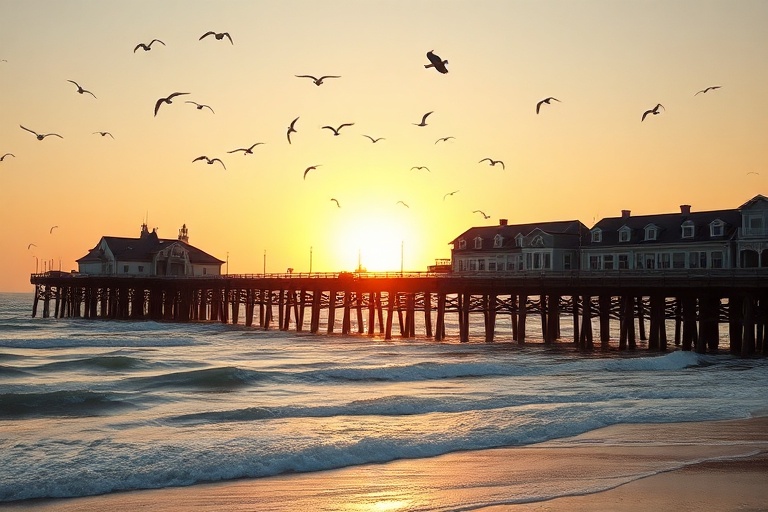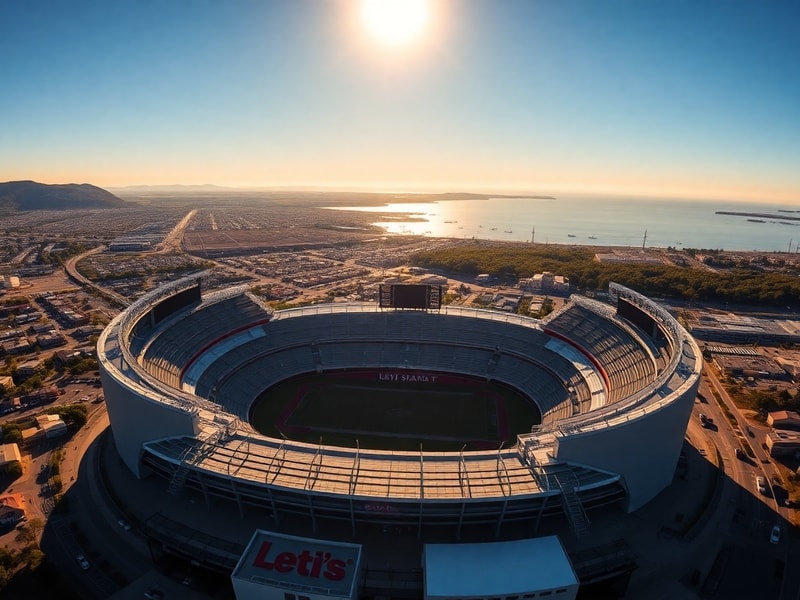
The San Francisco Bay Area isn’t just a hub for tech innovation and scenic landscapes—it’s also home to some of the most iconic sports venues in the country. From the historic charm of Candlestick Park’s past to the modern allure of Levi’s Stadium, these stadiums serve as more than just athletic arenas. They’re cultural landmarks where fans gather, memories are made, and the spirit of competition thrives. Whether you’re a die-hard sports enthusiast or a casual observer, the Bay Area’s stadium scene offers something for everyone.
The Legacy of Candlestick Park: A Bay Area Icon
Candlestick Park, originally opened in 1960, was the Bay Area’s premier sports venue for over five decades. Located in San Francisco’s southeastern corner near the bay, it became synonymous with the city’s identity. The stadium was the longtime home of the San Francisco Giants baseball team and later hosted the 49ers football team before they moved to Levi’s Stadium in 2014.
The park’s most famous moment came in 1962 when Willie Mays made “The Catch,” a legendary over-the-shoulder grab that remains etched in baseball lore. Candlestick’s unique design, with its circular layout and exposed upper deck, gave it a distinctive character that fans still miss. Despite its windy conditions and outdated facilities, the park held a special place in the hearts of Bay Area residents. Demolished in 2015, Candlestick Park’s legacy lives on in the memories of those who experienced its magic.
Today, the site of Candlestick Park is being redeveloped into a mixed-use neighborhood called Sports City, blending residential, commercial, and recreational spaces. The project aims to honor the area’s sporting history while creating a vibrant new community hub.
Levi’s Stadium: The Modern Face of Bay Area Sports
Levi’s Stadium, home of the San Francisco 49ers, represents the pinnacle of modern stadium design in the Bay Area. Opened in 2014, this $1.3 billion facility in Santa Clara is a technological marvel. It features a 27,000-square-foot video board—the largest in the NFL—along with solar panels, rainwater recycling systems, and an app that allows fans to order food and merchandise from their seats.
The stadium’s sleek, angular design, clad in white metal and glass, stands in stark contrast to the older, more traditional stadiums of the past. Levi’s Stadium has hosted major events beyond football, including the Super Bowl in 2016 and WrestleMania in 2015. Its central location in Silicon Valley also makes it a prime destination for tech conferences and corporate events.
One of the stadium’s standout features is its commitment to sustainability. Levi’s Stadium is LEED Gold certified, thanks to its energy-efficient systems and eco-friendly construction materials. The venue also prioritizes fan experience, with wide concourses, diverse food options, and immersive in-game entertainment.
Key Features of Levi’s Stadium
- Capacity: 68,500 (expandable to 75,000 for major events)
- Location: Santa Clara, CA (easily accessible via highways and Caltrain)
- Unique Amenities: 49er Team Store, George Visger Sports Grill, and multiple luxury suites
- Sustainability: Solar panels, water conservation systems, and waste reduction programs
Oracle Park: Baseball’s Jewel in the Bay
Oracle Park, home of the San Francisco Giants, is often celebrated as one of the most beautiful baseball stadiums in the country. Opened in 2000, it replaced Candlestick Park and quickly became a fan favorite. The stadium’s location along the San Francisco Bay offers stunning views of the water, the Bay Bridge, and the city skyline. Its intimate design, with most seats within 400 feet of home plate, ensures an unparalleled game-day experience.
Oracle Park is also known for its unique features, such as the giant Coca-Cola bottle slide in the right-field stands—a hit with younger fans—and McCovey Cove, where home runs land in the bay and can be retrieved by kayakers. The stadium has hosted memorable moments, including Barry Bonds’ record-breaking 756th home run in 2007 and the Giants’ World Series victories in 2010, 2012, and 2014.
Beyond baseball, Oracle Park has become a versatile venue for concerts, soccer matches, and even rugby games. Its prime location in the Mission Bay neighborhood makes it a cultural and economic driver for the surrounding area.
The Future of Bay Area Stadiums: Innovation and Expansion
The Bay Area’s stadium scene is evolving, with new projects on the horizon that promise to redefine the fan experience. One such project is the proposed new stadium for the Oakland Athletics, which could be built on Howard Terminal in Oakland. This waterfront venue would blend sustainability with entertainment, featuring a retractable roof, solar panels, and a focus on community engagement.
Another exciting development is the potential renovation of the Oakland Coliseum, which currently serves as a multi-purpose venue for the A’s and the Raiders (who will return to Las Vegas in 2025). The proposed updates aim to modernize the facility while preserving its historic significance. Meanwhile, Levi’s Stadium continues to expand its offerings, with plans to enhance fan connectivity and sustainability.
The Bay Area’s stadiums are more than just venues—they’re symbols of the region’s dynamic spirit. Whether it’s the nostalgia of Candlestick Park, the innovation of Levi’s Stadium, or the beauty of Oracle Park, these landmarks bring people together and create lasting memories. As the Bay Area continues to grow, so too will its stadiums, ensuring that the region remains a premier destination for sports and entertainment.
For those looking to explore more about the Bay Area’s sports culture, check out Dave’s Locker Sports for the latest updates and insights.