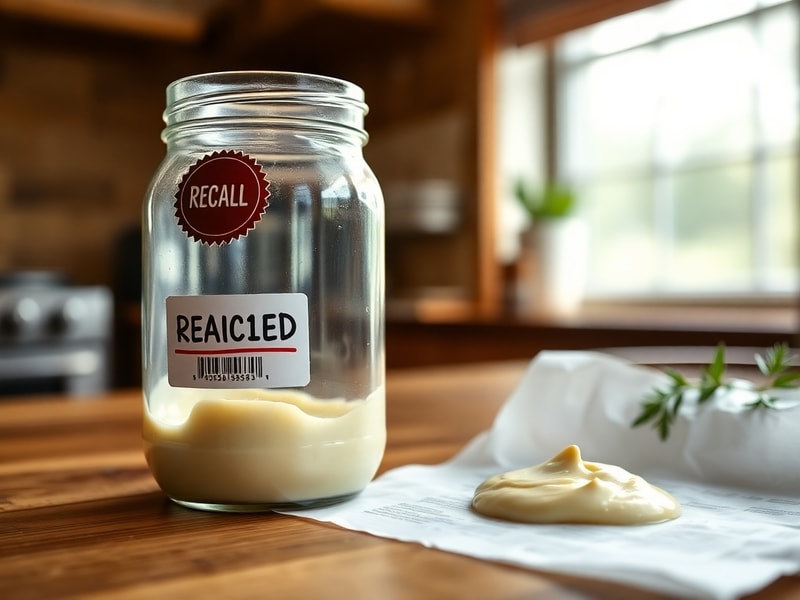
Global Supply Chain Scrutiny After Alfredo Sauce Recall
The recent recall of multiple commercial Alfredo sauce brands has exposed vulnerabilities in global food supply chains, triggering reactions from consumers, regulators, and industry analysts alike. What began as isolated contamination reports in North America quickly escalated into an international investigation involving products distributed across three continents.
Food safety experts point to the interconnected nature of modern food production as the primary factor behind the rapid spread of contaminated batches. A single supplier in Italy reportedly provided contaminated dairy ingredients to at least seven different sauce manufacturers, each operating under different brand names but sharing common supply routes.
How the Recall Unfolded Across Continents
The crisis developed in three distinct phases. In early March, Canadian health authorities detected elevated levels of a specific strain of Listeria monocytogenes in routine testing of imported pasta sauces. Within days, similar cases emerged in the United States and Mexico, all linked to products containing Romano cheese from a single Italian dairy cooperative.
By the end of the first week, the European Food Safety Authority had launched parallel investigations after identifying the same bacterial strain in raw milk samples from the implicated dairy. The rapid international coordination revealed both the strengths and weaknesses of global food safety protocols.
- Phase 1: Initial contamination detected through routine testing in Canada (March 2)
- Phase 2: Cross-border contamination confirmed across North American brands (March 5-8)
- Phase 3: European traceback reveals shared Italian dairy supplier (March 10-12)
- Phase 4: Global recall initiated with coordinated international response
Cultural Impact of a Beloved Comfort Food
Alfredo sauce occupies a unique place in global comfort food culture, particularly in countries where Italian cuisine has been adapted to local tastes. In the United States, the creamy white sauce became synonymous with mid-century Italian-American dining, evolving from its Roman origins into a thick, buttery staple of family restaurants.
In Latin America, local variations often incorporate additional spices or cream, while in parts of Asia, the sauce has been adapted to include ingredients like cornstarch for texture modification. This cultural adaptation explains why contaminated products reached such diverse markets—each modification required shared ingredients that ultimately traced back to the same problematic supply chain.
Nutritionists note that the recall comes at a time when pasta consumption has been declining in Western countries due to health-conscious dietary trends. However, Alfredo sauce remains disproportionately popular among millennials and Gen Z consumers who value convenience over traditional cooking methods.
Regulatory Responses and Industry Accountability
Government agencies have responded with varying degrees of transparency. The U.S. Food and Drug Administration implemented new traceability requirements for dairy imports, while the European Union accelerated plans for mandatory blockchain tracking in the dairy sector. Canadian regulators, meanwhile, introduced stricter penalties for suppliers found negligent in contamination cases.
Industry analysts predict that smaller sauce manufacturers may struggle to survive the financial impact of the recall. Several regional brands that relied heavily on the contaminated Italian supplier have already announced temporary closures. Large multinational corporations, while better positioned to absorb losses, face reputational damage that could affect consumer trust for years.
Food safety consultant Maria Gonzalez noted, “This incident demonstrates why we need a unified global approach to food safety rather than fragmented national regulations. A contamination in Italy can affect dinner tables in Mexico City within days.”
Lessons for Consumers and Industry Moving Forward
The Alfredo sauce recall serves as a case study for modern food safety challenges. Consumers increasingly demand transparency about ingredient sourcing, yet supply chains have grown more complex with each passing year. The incident highlights several key lessons:
- Ingredient transparency: Shoppers now expect clear labeling about dairy sourcing, particularly for products containing imported cheeses.
- Supply chain diversification: Manufacturers are reconsidering their reliance on single international suppliers for critical ingredients.
- Technology adoption: Blockchain and AI-driven quality control systems are gaining traction as preventive measures against contamination.
- Consumer education: The recall has prompted renewed interest in understanding food safety labels and expiration dates.
For restaurant owners and home cooks alike, the incident has reignited appreciation for traditional sauce preparation methods. Many chefs have begun sourcing local dairy products and making their Alfredo sauce in-house, a practice that aligns with broader farm-to-table dining trends.
In the aftermath, several food bloggers have published guides on making restaurant-quality Alfredo sauce at home, complete with safety tips for handling raw dairy products. This DIY movement represents more than just a trend—it reflects a fundamental shift in consumer behavior toward greater control over food sources.
What Comes Next for the Alfredo Sauce Industry
The coming months will determine whether the Alfredo sauce industry can recover its momentum. Market analysts predict that premium brands emphasizing local sourcing and transparent supply chains will gain market share, while budget-oriented products may struggle with consumer skepticism.
Regulatory changes are already underway. The FDA has proposed new guidelines requiring all Alfredo sauce manufacturers to implement enhanced safety protocols, including regular testing for Listeria and other pathogens. Similar measures are under consideration in the European Union and Canada.
For consumers, the recall serves as a reminder that food safety is an ongoing process rather than a guarantee. While the immediate crisis appears to be contained, the long-term effects on global food supply chains remain uncertain. One thing is clear: the Alfredo sauce industry will never be the same.
As the world becomes increasingly interconnected, incidents like this one force us to confront difficult questions about who bears responsibility when a beloved comfort food becomes a vector for contamination. The answers may reshape not just the Alfredo sauce industry, but the entire global food system.