El Niño Explained: How Pacific Warming Shapes Global Weather
“`html
Understanding El Niño: The Ocean-Atmosphere Dance That Shapes Global Weather
El Niño represents one of the most influential climate phenomena on Earth, capable of reshaping weather patterns across entire continents. This periodic warming of the central and eastern equatorial Pacific Ocean doesn’t just affect fishermen in Peru—it triggers cascading effects that touch agriculture, energy markets, and emergency response systems worldwide. The term itself, Spanish for “the little boy,” originated among South American fishermen who noticed the phenomenon’s arrival around Christmas, traditionally linked to the celebration of Christ’s birth.
The Science Behind El Niño: How Ocean and Atmosphere Interact
At its core, El Niño results from complex interactions between the ocean and atmosphere. Normally, trade winds blow westward across the tropical Pacific, pushing warm surface water toward Asia and allowing cooler water to upwell near South America. During El Niño events, these trade winds weaken or even reverse direction. This shift reduces the upwelling of cold water, causing the eastern Pacific to warm significantly—sometimes by more than 3°C above normal.
The warming doesn’t occur in isolation. As sea surface temperatures rise, they alter atmospheric convection patterns. Warm ocean water fuels thunderstorms, shifting the location of the planet’s most intense rainfall from the western Pacific toward the central Pacific. This reorganization of atmospheric circulation—known as the Southern Oscillation—creates a feedback loop where the ocean warming reinforces the weakened trade winds, perpetuating the El Niño state.
These changes don’t happen randomly. Scientists classify El Niño events based on their intensity and duration. The Oceanic Niño Index (ONI) measures sea surface temperature anomalies in a specific region of the Pacific. Events are considered El Niño when ONI values reach or exceed 0.5°C for at least five consecutive three-month periods. The strongest events, like those in 1982-83 and 1997-98, registered anomalies exceeding 2.5°C, causing unprecedented global impacts.
Global Impacts: From Droughts to Floods Across Continents
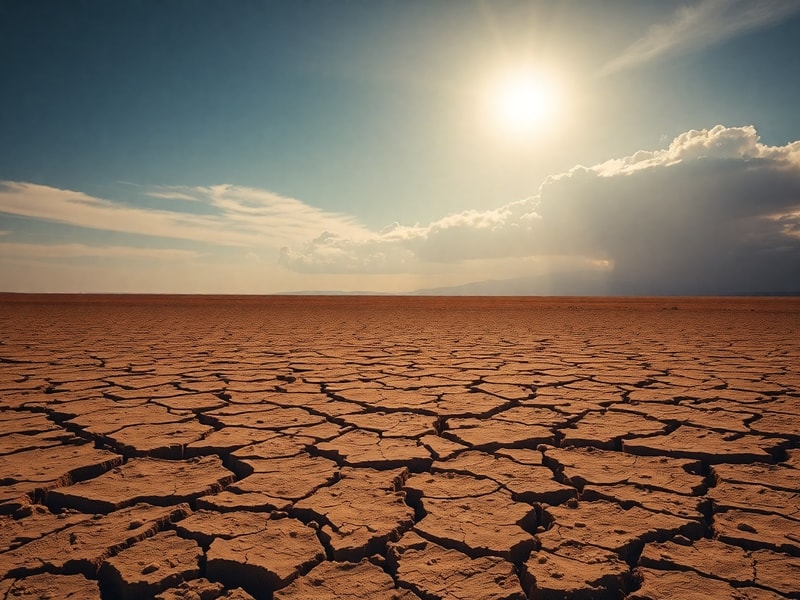
The reach of El Niño extends far beyond the Pacific basin. Its ripple effects create winners and losers in different regions, often with dramatic consequences. In Southeast Asia and Australia, the phenomenon typically brings severe droughts and increased wildfire risk. The 1997-98 event contributed to Indonesia’s worst fires in decades, blanketing the region in smoke and causing respiratory health emergencies across multiple countries.
Conversely, the west coast of South America often experiences extreme rainfall during El Niño years. Peru and Ecuador frequently face devastating floods and landslides, while the southern United States typically sees wetter-than-average conditions. The 2015-16 El Niño, one of the strongest on record, caused an estimated $3.6 billion in damages across the United States alone, primarily through flooding in Texas and California.
El Niño’s influence even extends to the Atlantic hurricane season. The warmer Pacific waters create stronger wind shear over the Atlantic, which tends to suppress hurricane formation. This relationship explains why El Niño years often see fewer Atlantic hurricanes, though it doesn’t eliminate the risk entirely. The 2004 hurricane season, which included devastating storms like Charley and Ivan, occurred during a weak El Niño—a reminder that other factors also shape seasonal outcomes.
Key Impacts by Region
- South America: Heavy rainfall in Peru and Ecuador; drought in northeast Brazil
- North America: Wetter conditions in the southern U.S.; warmer winters in the north
- Southeast Asia: Severe droughts and increased wildfire risk
- Africa: Erratic rainfall patterns affecting agriculture across multiple regions
- Global: Disruptions to fisheries, commodity markets, and energy demand
Economic and Ecological Consequences: The Hidden Costs
The economic toll of El Niño extends beyond immediate weather damage. Agricultural markets react strongly to El Niño forecasts, with commodity prices fluctuating based on expected harvests. Coffee and cocoa production in West Africa often decline during El Niño years, driving up prices globally. Meanwhile, wheat and corn yields in Australia and Argentina may suffer, creating supply chain pressures.
Fisheries represent another vulnerable sector. The warming waters disrupt the food chain in the eastern Pacific, causing anchovy populations off Peru’s coast to collapse. This collapse ripples through the fishing industry, affecting both local economies and global fishmeal markets. The 1972-73 El Niño event devastated Peru’s anchovy industry, leading to economic losses that took years to recover from.
Ecological impacts can be equally severe. Coral reefs, already stressed by climate change, face increased bleaching risk during El Niño years due to warmer ocean temperatures. The 2015-16 event caused mass bleaching across the Pacific, including Australia’s Great Barrier Reef. Marine ecosystems worldwide experience shifts in species distribution, with some cold-water species struggling to find suitable habitats.
Monitoring and Predicting El Niño: The Role of Technology
Modern forecasting capabilities have improved dramatically since the first recorded El Niño event in 1891. Today, scientists rely on a sophisticated network of buoys, satellites, and computer models to monitor Pacific conditions. The Tropical Atmosphere Ocean (TAO) array, maintained by NOAA, consists of nearly 80 moored buoys that measure temperature, currents, and winds across the equatorial Pacific.
Satellite observations provide critical data on sea surface temperatures and atmospheric conditions. NASA’s Jason-3 satellite, launched in 2016, measures ocean surface topography with precision down to a few centimeters. These measurements help identify the early signs of El Niño development, allowing for more accurate predictions months in advance.
Despite these advances, forecasting remains challenging. El Niño events develop differently each time, and their ultimate impacts depend on the interaction of multiple climate systems. Researchers continue to refine models, incorporating data from the Indian and Atlantic Oceans, which also influence global weather patterns. The goal isn’t just to predict El Niño’s arrival but to understand how it will interact with background climate change trends.
For those interested in tracking these developments, Dave’s Locker’s Science section regularly updates readers on climate phenomena and their broader implications. Staying informed about these patterns helps businesses, policymakers, and individuals prepare for the challenges ahead.
Preparing for the Next Event: Mitigation and Adaptation Strategies
As El Niño events become more frequent and intense—potentially linked to climate change—the need for proactive strategies grows. Governments and communities can take steps to reduce vulnerability, particularly in sectors most affected by weather extremes. In agriculture, drought-resistant crop varieties and improved irrigation techniques can help maintain productivity during dry periods. Early warning systems for floods and landslides save lives in vulnerable regions like Peru’s coastal areas.
Energy markets also adapt to El Niño’s influence. Natural gas prices in the U.S. often rise during colder El Niño winters as heating demand increases in the northern states. Conversely, milder winters in the Midwest reduce heating demand, affecting energy company revenues. Electric utilities and grid operators use El Niño forecasts to optimize their operations and manage supply risks.
International cooperation plays a crucial role in managing El Niño’s global impacts. The World Meteorological Organization coordinates efforts to share data and improve forecasting capabilities across borders. Regional organizations like the Pacific Islands Forum help member countries prepare for the economic and environmental challenges associated with El Niño events.
Ultimately, understanding El Niño requires recognizing both its destructive potential and its role in Earth’s natural climate variability. While modern technology has improved our ability to anticipate these events, the phenomenon remains a powerful reminder of nature’s complexity. The interactions between ocean and atmosphere that define El Niño demonstrate how interconnected our planet’s systems truly are.
As researchers continue to unravel the mysteries of El Niño, the knowledge gained will be essential for building resilience in an era of changing climate patterns. For now, the dance between the Pacific’s warm waters and the overlying atmosphere continues—a reminder that even in an age of advanced technology, we remain subject to the rhythms of nature.