The India-Pakistan rivalry transcends sports, politics, and culture. It is one of the most intense and closely watched competitions in the world, captivating audiences across continents. While cricket matches between the two nations draw millions of viewers, the rivalry itself is rooted in historical tensions, geopolitical conflicts, and deep-seated cultural contrasts.
From diplomatic standoffs to cinematic portrayals, the relationship between India and Pakistan is a complex tapestry that continues to shape South Asia’s global standing. Understanding this rivalry requires examining its origins, its impact on everyday life, and the ways it resonates beyond national borders.
The Historical Roots of a Complex Relationship
The partition of British India in 1947 created India and Pakistan as separate nations, but it also sowed the seeds of enduring conflict. The division was accompanied by one of the largest mass migrations in history, marked by violence and displacement. Since then, the two countries have fought multiple wars, primarily over the disputed region of Kashmir.
Diplomatic relations have been strained at best, with periods of dialogue followed by abrupt breakdowns. The 1971 war, which led to the creation of Bangladesh from East Pakistan, further deepened mistrust. Despite these challenges, cultural exchanges—particularly in cinema, music, and literature—have provided rare moments of connection.
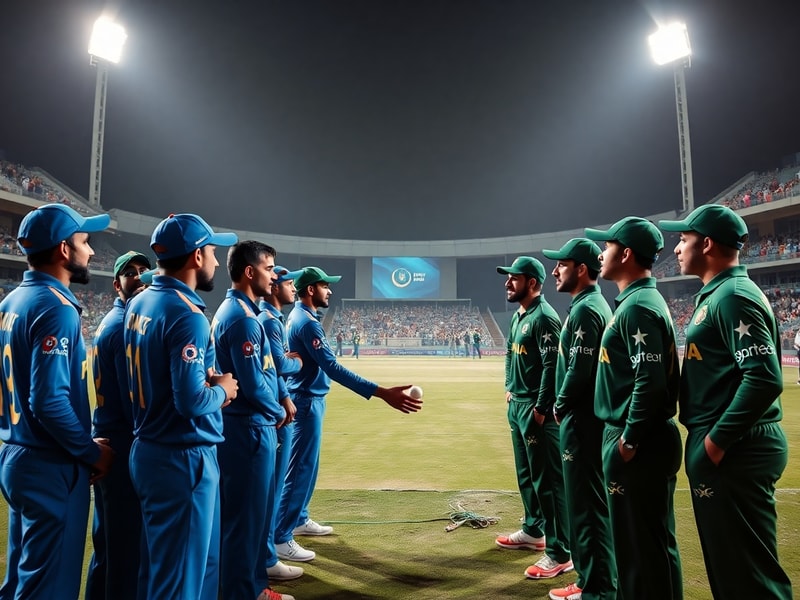
Cricket has emerged as a symbolic battleground where national pride is often on display. Matches between the two teams are more than sporting events; they are high-stakes affairs where emotions run deep on both sides.
The Cricket Rivalry: More Than Just a Game
When India and Pakistan face off in cricket, the world stops to watch. The ICC World Cup, T20 World Cup, and bilateral series generate unparalleled excitement, not just in South Asia but globally. Broadcasters report record viewership, with an estimated 1.5 billion people tuning in for key matches.
The intensity of the rivalry is evident in every aspect of the game. Players carry the weight of national expectations, and victories are celebrated as triumphs for millions. Conversely, defeats are met with disappointment that lingers for years. The 2011 World Cup semi-final, where India defeated Pakistan in a nail-biting finish, remains one of cricket’s most iconic moments.
Beyond the field, the rivalry fuels debates about fairness, umpiring decisions, and even doping allegations. The 2007 T20 World Cup final, where Pakistan won in a dramatic finish, is still discussed in hushed tones by fans on both sides. For those interested in the broader context of international sports rivalries, Sports offers deeper analysis on how competition shapes global narratives.
Key Moments in India-Pakistan Cricket History
- 1986: Javed Miandad’s last-ball six to win the Austral-Asia Cup final for Pakistan, a moment etched in cricketing folklore.
- 1996: India’s victory in the World Cup quarter-final, where Ajay Jadeja’s assault on Waqar Younis set the tone.
- 2003: Sachin Tendulkar’s masterclass in Centurion, where he single-handedly dismantled Pakistan’s bowling attack.
- 2017: The Champions Trophy final in England, where India crushed Pakistan by 180 runs, a rare whitewash in their meetings.
Cultural Exchanges: The Unseen Threads of Connection
Despite political tensions, cultural exchanges between India and Pakistan remain vibrant. Bollywood and Lollywood—Pakistan’s film industry—have a long history of collaboration and influence. Many Pakistani actors and musicians have gained fame in India, while Indian films continue to dominate Pakistani screens.
Music is another bridge. Legendary artists like Nusrat Fateh Ali Khan and Rahat Fateh Ali Khan are revered in both countries. Sufi shrines, such as Data Darbar in Lahore and Hazrat Nizamuddin in Delhi, attract devotees from across borders, underscoring shared spiritual heritage.
Literature also plays a role. Authors like Saadat Hasan Manto and Khushwant Singh have explored the trauma of partition, while contemporary writers continue to reflect on the lingering scars of division. Festivals like Diwali and Eid are celebrated with equal enthusiasm on both sides, reflecting a shared cultural DNA.
The Geopolitical Shadow Over Every Interaction
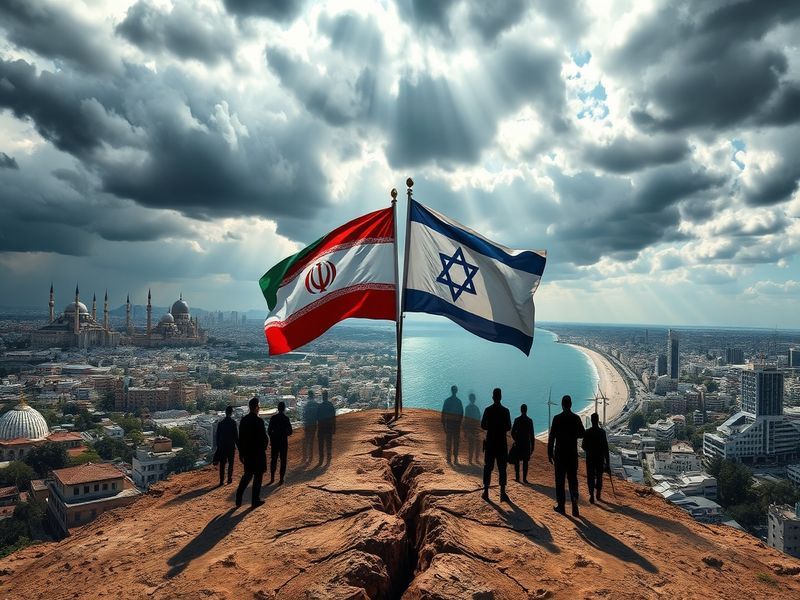
No discussion of India-Pakistan relations is complete without acknowledging the geopolitical context. The two nations are key players in South Asia, and their rivalry has drawn in global powers like the United States, China, and Russia.
India’s strategic partnership with the U.S. and its role in alliances like the Quad have heightened Pakistan’s sense of encirclement. Meanwhile, China’s economic investments in Pakistan, exemplified by the China-Pakistan Economic Corridor (CPEC), further complicate the regional dynamic.
The Kashmir dispute remains the most volatile issue, with both countries claiming the territory in full. The 2019 Balakot airstrikes by India, in response to a terrorist attack in Pulwama, brought the world to the brink of another conflict. International mediation has often been sought, but lasting peace remains elusive.
For those interested in the broader implications of such geopolitical tensions, Politics offers deeper insights into how rivalries shape global diplomacy.
A Rivalry That Extends Beyond Borders
The India-Pakistan rivalry is not confined to the subcontinent. Diaspora communities in the U.S., U.K., Canada, and the Middle East often carry these tensions into their adopted homes. Social media amplifies debates, with fans and critics alike weighing in on every aspect of the relationship.
In the business world, trade between the two countries remains minimal, despite geographical proximity. The informal economy, however, thrives, with goods and services flowing across the border through unofficial channels. This underground trade highlights the absurdity of political barriers in the face of human need.
Tourism is another casualty. While Indians can visit Pakistan with relative ease, Pakistani travelers often face restrictions. The Kartarpur Corridor, which allows Indian pilgrims to visit a Sikh shrine in Pakistan, stands as a rare symbol of cooperation in an otherwise fractured relationship.
Looking Ahead: Can the Rivalry Evolve?
The future of India-Pakistan relations is uncertain. While cricket diplomacy has occasionally thawed tensions, broader political reconciliation remains distant. Track II diplomacy—where academics, artists, and civil society leaders engage in dialogue—offers a glimmer of hope. Grassroots movements advocating for peace are gaining traction, particularly among younger generations who are less burdened by historical grievances.
Yet, the road to normalization is fraught with challenges. Terrorism, nuclear capabilities, and regional alliances all play a role in perpetuating the status quo. For now, the rivalry endures, shaping identities, fueling passions, and capturing global attention.
Whether through the crack of a cricket bat, the strains of a qawwali, or the pages of a novel, the story of India and Pakistan continues to be written—and rewritten—by those who refuse to let history define the future.