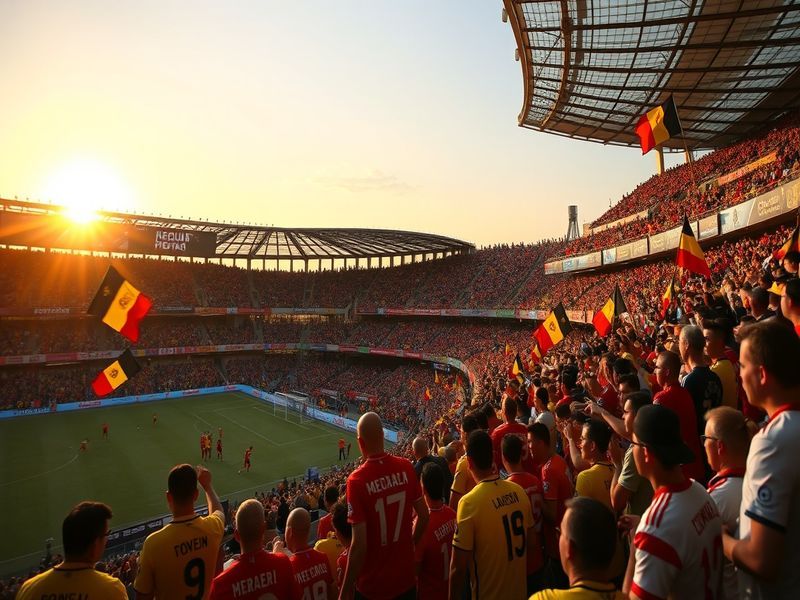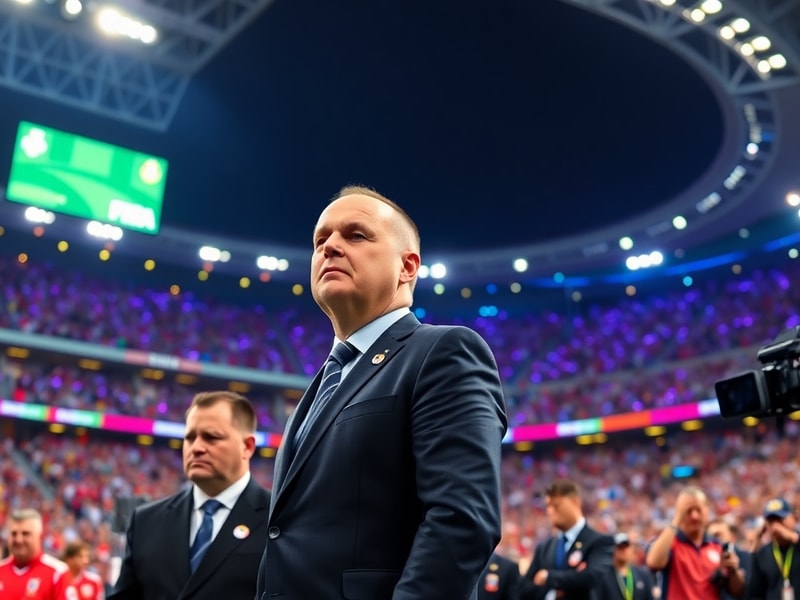
The role of FIFA President carries immense weight—not just in the world of sports, but on the global stage. Held by a single individual, this position shapes the future of football through governance, financial decisions, and international diplomacy. The influence of the FIFA President extends beyond the pitch, affecting careers, economies, and even geopolitical relationships. Recent years have seen this role become even more scrutinized, with reforms reshaping expectations and responsibilities.
Understanding the FIFA Presidency means examining its history, the evolution of its powers, and the individuals who have shaped—or been shaped by—the role. From João Havelange’s expansionist vision to Gianni Infantino’s controversial tenure, the office has never been static. The current landscape reflects a period of both consolidation and upheaval, where transparency battles with tradition and reform clashes with entrenched interests.
The Role and Responsibilities of the FIFA President
The FIFA President serves as the chief executive of world football’s governing body, overseeing a sprawling organization with 211 member associations. This role involves setting the strategic direction for the sport, managing multi-billion-dollar budgets, and leading major tournaments like the FIFA World Cup. The President is elected by the FIFA Congress, typically for a four-year term, though re-election is common.
Key responsibilities include:
- Governance and Reform: Implementing and enforcing regulations to ensure fair play, financial integrity, and anti-corruption measures.
- Tournament Leadership: Overseeing the bidding, preparation, and execution of World Cups and other global competitions.
- Commercial Strategy: Managing partnerships with sponsors, broadcasters, and commercial stakeholders to maximize revenue for development projects.
- Diplomatic Engagement: Representing football in international relations, often negotiating with governments, confederations, and global bodies.
- Development Programs: Allocating funds to grassroots football, women’s football, and infrastructure projects across continents.
The President also chairs the FIFA Council, a powerful body that makes key decisions on tournaments, statutes, and financial matters. This council replaced the old Executive Committee in 2016 following corruption scandals that rocked the organization. The shift was meant to decentralize power and increase accountability—yet critics argue that real change has been slow to materialize.
A Look Back: Evolution of the FIFA Presidency
The FIFA Presidency has evolved dramatically since the organization’s founding in 1904. Early leaders like Daniel Burley Woolfall and Jules Rimet focused on growing the sport internationally, culminating in the first World Cup in 1930. But it was João Havelange, who served from 1974 to 1998, who transformed FIFA into a global commercial enterprise, expanding membership and introducing new tournaments.
Havelange’s tenure laid the groundwork for modern football’s financial model—but it also sowed the seeds of corruption. His successor, Sepp Blatter, took office in 1998 and presided over an era of unprecedented growth, despite persistent allegations of bribery and mismanagement. Blatter’s reign ended in disgrace in 2015 amid the U.S.-led corruption investigation, marking one of the darkest chapters in FIFA’s history.
Gianni Infantino, elected in 2016, promised reform and renewal. He has overseen expanded World Cup tournaments and increased investment in development programs. Yet his leadership has been criticized for centralizing power, weakening independent oversight, and maintaining close ties with controversial figures. Supporters credit him with modernizing FIFA’s operations, while detractors see a leader more interested in self-preservation than systemic change.
Controversies, Reforms and the Future of FIFA’s Leadership
The FIFA Presidency has always been a lightning rod for controversy. Scandals have ranged from vote-buying and bribery to human rights abuses in World Cup host nations. The 2010 selection of Russia and Qatar as hosts sparked global outrage due to concerns over corruption, worker exploitation, and political interference. While FIFA has since implemented human rights policies, enforcement remains inconsistent.
Reform efforts have included stricter ethics codes, term limits, and greater transparency in financial reporting. Yet critics argue that FIFA’s culture resists true change. The 2026 World Cup, co-hosted by the U.S., Canada, and Mexico, marks a new era with expanded teams and commercial opportunities. However, questions linger about sustainability, legacy planning, and whether FIFA can balance growth with responsibility.
Looking ahead, several trends could redefine the FIFA Presidency:
- Digital Transformation: The rise of streaming, virtual reality, and AI-driven fan engagement is changing how football is consumed—and who controls it.
- Women’s Football Growth: With record attendance and investment, women’s football is becoming a cornerstone of FIFA’s future strategy, potentially reshaping the President’s priorities.
- Climate and Sustainability: As hosts face scrutiny over environmental impact, FIFA’s next leader will need to prioritize sustainable tournaments and climate action.
- Geopolitical Shifts: Rising tensions between nations and blocs could influence voting blocs in FIFA elections, making alliances more critical than ever.
What’s Next for FIFA and Its President?
The next FIFA Presidential election, expected in 2025, will be pivotal. With Infantino’s third term secured controversially in 2023, the organization remains under pressure to prove it has moved beyond its past. Potential candidates include figures from football’s traditional powerhouses as well as reform-minded outsiders. The winner will inherit a global brand at a crossroads—one that must balance commercial success with ethical responsibility.
Beyond elections, the FIFA President of the future may need to rethink the organization’s structure entirely. Could football governance one day be decentralized, with power shared among regions? Will artificial intelligence play a role in officiating or tournament planning? These questions underscore the broader challenges facing not just FIFA, but all international sports bodies in an era of rapid change.
One thing is clear: the FIFA Presidency remains one of the most influential unpaid roles in the world. Its holder wields power over millions of players, billions of fans, and trillions of dollars in economic activity. The decisions made in Zurich reverberate from local pitches in Africa to corporate boardrooms in Asia. As football continues to grow, so too will the stakes—and the scrutiny—of its leaders.
For fans and stakeholders alike, the call for accountability, innovation, and integrity has never been louder. The next chapter of FIFA’s history will be written not just on the field, but in the corridors of power where the future of the beautiful game is decided.
For more on international sports governance and its impact, visit our Sports section or explore deeper analysis in our Analysis category.