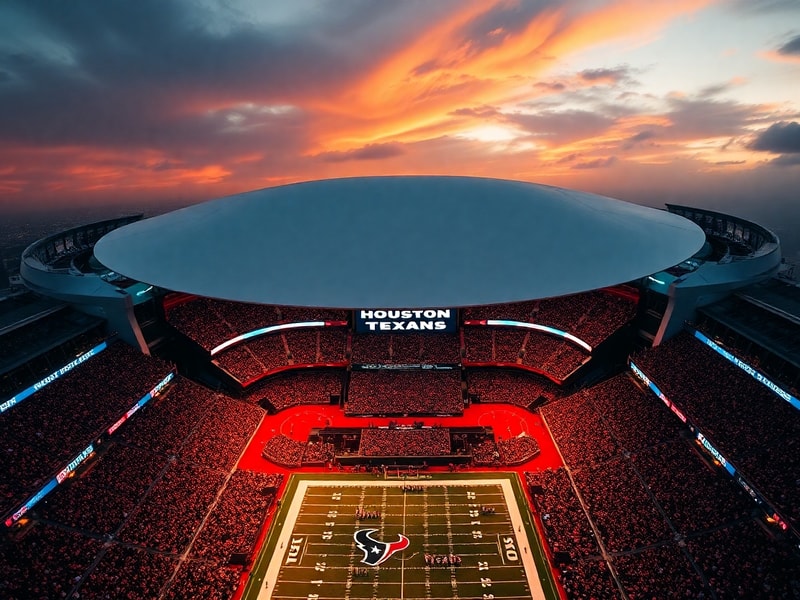
Houston’s identity as a sports and entertainment hub is deeply tied to its stadiums. Over the decades, these venues have evolved from architectural marvels to economic catalysts, reflecting the city’s growth and cultural shifts. From the iconic Astrodome to the modern NRG Stadium, each facility tells a story of innovation, ambition, and community.
The Astrodome, opened in 1965, was the world’s first multi-purpose domed sports stadium. Its design, featuring a translucent roof and air-conditioning, revolutionized stadium construction. While no longer in use for major events, its legacy endures as a symbol of Houston’s pioneering spirit. Today, the city’s stadium landscape is more diverse than ever, catering to a wide range of sports, concerts, and events.
The Astrodome: A Groundbreaking Legacy
Nicknamed the “Eighth Wonder of the World” upon its completion, the Astrodome was a visionary project spearheaded by Judge Roy Hofheinz. The stadium’s most striking feature was its air-supported roof, which used Teflon-coated fiberglass to allow natural light while keeping out rain. This innovation eliminated the need for retractable roofs or domed structures that relied on opaque materials.
For nearly 40 years, the Astrodome hosted the Houston Astros, Oilers, and even the Houston Livestock Show and Rodeo. Its seating capacity of over 60,000 made it one of the largest stadiums in the world at the time. However, as newer stadiums emerged with modern amenities, the Astrodome gradually fell into disuse. Despite its decline, preservationists continue to advocate for its adaptive reuse, recognizing its historical significance.
The Astrodome’s influence extends beyond Houston. Its design principles inspired stadiums worldwide, proving that functionality and innovation could coexist. While the Astrodome now sits vacant, its cultural impact remains a testament to Houston’s ability to think beyond conventional limits.
NRG Stadium: A Modern Entertainment Powerhouse
Opened in 2002, NRG Stadium (originally Reliant Stadium) represents the next generation of Houston stadiums. With a retractable roof and seating for over 72,000, it was designed to host a variety of events, from NFL games to concerts and international soccer matches. The stadium’s most distinctive feature is its translucent roof panels, which allow natural light to illuminate the field while protecting spectators from the elements.
NRG Stadium is home to the Houston Texans, the city’s NFL franchise established in 2002. The stadium’s versatility has made it a prime venue for major events, including the Super Bowl, NCAA Final Four, and international soccer matches. Its proximity to the Houston Dynamo’s soccer matches and the Houston Livestock Show and Rodeo further solidifies its role as a cornerstone of Houston’s entertainment industry.
The stadium’s design also prioritizes fan experience. Luxury suites, spacious concourses, and advanced technology create an immersive environment for attendees. Additionally, NRG Stadium’s location near the Texas Medical Center and major highways enhances its accessibility, making it a convenient destination for both locals and visitors.
Other Notable Houston Stadiums
Houston’s stadium portfolio extends beyond the Astrodome and NRG Stadium. The city is home to several other notable venues, each serving a unique purpose in the local sports and entertainment ecosystem.
- Minute Maid Park: Opened in 2000, this retractable-roof stadium is the home of the Houston Astros. Its downtown location and open-air design create an intimate atmosphere for baseball fans. The stadium’s distinctive train that runs along the left-field wall adds a touch of whimsy to the experience.
- TDECU Stadium: Located on the University of Houston campus, this stadium primarily serves as the home of the Houston Cougars football team. Its modern design and seating capacity of 40,000 make it a hub for college sports in the city.
- Shell Energy Stadium: This soccer-specific stadium is the home of the Houston Dynamo and the Houston Dash. Its compact design and intimate setting provide fans with an unparalleled viewing experience for professional soccer.
Each of these stadiums contributes to Houston’s reputation as a city that values sports and entertainment. Their designs reflect the evolving needs of fans, players, and communities, ensuring that Houston remains a top destination for major events.
The Economic and Cultural Impact of Houston Stadiums
Houston’s stadiums are more than just venues for sports and entertainment—they are economic engines that drive tourism, create jobs, and enhance the city’s global profile. Events held at these stadiums generate millions of dollars in revenue for local businesses, from hotels and restaurants to retail shops and transportation services.
For example, the Super Bowl, which has been held in Houston multiple times, brings an estimated $300 million to $500 million in economic impact to the region. Similarly, concerts and other major events attract visitors from across the country, boosting the local economy and fostering community pride.
Stadiums also serve as cultural landmarks that reflect Houston’s diversity and dynamism. Events like the Houston Livestock Show and Rodeo celebrate the city’s Western heritage, while international soccer matches highlight its global connections. These venues provide a platform for communities to come together, fostering a sense of belonging and shared identity.
Moreover, Houston’s stadiums have played a pivotal role in the city’s urban development. The construction of NRG Stadium, for instance, spurred infrastructure improvements and revitalized the surrounding area. Similarly, Minute Maid Park’s downtown location has contributed to the resurgence of Houston’s urban core, attracting new businesses and residents.
Looking Ahead: The Future of Houston Stadiums
The next chapter in Houston’s stadium story is already unfolding. With ongoing discussions about potential renovations or new constructions, the city is poised to continue its tradition of innovation. One proposal involves retrofitting the Astrodome for adaptive reuse, transforming it into a mixed-use space that could include retail, dining, and entertainment venues.
Additionally, the Houston Dynamo and Dash have explored the possibility of building a new soccer-specific stadium to better accommodate their growing fan base. Such a project would further solidify Houston’s status as a premier destination for professional soccer.
As Houston continues to grow, its stadiums will remain central to its identity. They are not just places to watch a game or attend a concert—they are symbols of the city’s resilience, creativity, and ambition. Whether it’s the historic Astrodome or the state-of-the-art NRG Stadium, these venues will continue to shape Houston’s future for generations to come.
For those interested in exploring more about Houston’s sports scene, check out our Sports category for the latest updates and analysis. If you’re curious about the economic impact of major events, visit our Analysis section for in-depth insights.
Houston’s stadiums are a testament to the city’s ability to dream big and build boldly. As they evolve, they will continue to inspire, entertain, and unite the community.