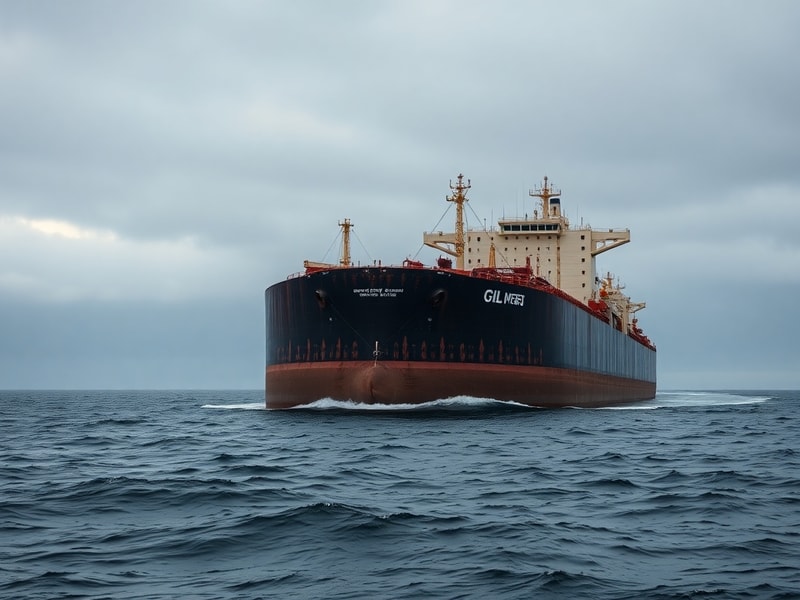
oil tanker
“`html
Understanding Oil Tankers: The Backbone of Global Energy Transport
The modern world runs on energy, and oil remains one of its most critical resources. While pipelines and rail transport play roles in moving crude oil, oil tankers serve as the lifeblood of global energy logistics. These massive vessels traverse oceans daily, ensuring that refineries from Houston to Singapore receive the raw material needed to produce gasoline, plastics, and countless other products.
The scale of oil tankers is staggering. The largest among them, known as Ultra Large Crude Carriers (ULCCs), can hold over 4 million barrels of oil—enough to fill more than 200 Olympic-sized swimming pools. Their sheer size underscores their importance: without these floating pipelines, the global economy would grind to a halt. Yet their operation comes with significant environmental, geopolitical, and economic considerations that shape industries and policies worldwide.
The Different Types of Oil Tankers and Their Roles
Oil tankers aren’t a one-size-fits-all solution. They come in various sizes and configurations, each designed for specific operational needs. The classification of these vessels is primarily based on their deadweight tonnage (DWT), which measures how much weight a ship can carry when fully loaded.
- Handysize Tankers (10,000–50,000 DWT): These smaller tankers are highly versatile, capable of navigating narrow waterways and docking at smaller ports. They are often used for regional trade and transporting refined products like diesel and jet fuel.
- Panamax Tankers (60,000–80,000 DWT): Named after their ability to pass through the original Panama Canal locks, these tankers are a workhorse for medium-range routes, typically carrying crude oil between continents.
- Aframax Tankers (80,000–120,000 DWT): Popular in the North Sea, Black Sea, and Southeast Asia, Aframax tankers are optimized for shorter-haul voyages and are often used in regions with limited port infrastructure.
- Suezmax Tankers (120,000–200,000 DWT): These tankers are designed to transit the Suez Canal, making them crucial for oil transport from the Middle East to Europe and North America. Their size allows them to carry substantial volumes without requiring canal bypasses.
- VLCCs (Very Large Crude Carriers) (200,000–320,000 DWT): VLCCs dominate global crude oil transport, particularly on long-haul routes like the Middle East to Asia. Their efficiency in transporting large volumes at lower per-barrel costs makes them indispensable.
- ULCCs (Ultra Large Crude Carriers) (320,000+ DWT): The giants of the fleet, ULCCs are primarily used on the most lucrative routes. Their sheer capacity reduces shipping costs but limits their port access to only the largest terminals.
The diversity in tanker sizes reflects the complexity of global oil logistics. Smaller tankers handle regional distribution, while larger vessels ensure economies of scale for intercontinental transport. This hierarchy allows the industry to balance cost efficiency with logistical flexibility.
The Environmental and Geopolitical Challenges of Oil Tankers
Despite their economic importance, oil tankers face intense scrutiny over their environmental and geopolitical impacts. Spills, emissions, and the geopolitical tensions surrounding oil transport create a web of challenges that the industry must navigate.
Environmental Risks: Oil spills, though less frequent today than in past decades, remain a persistent threat. The Exxon Valdez disaster in 1989 and the Prestige spill in 2002 demonstrated the catastrophic consequences of tanker accidents. Modern regulations, such as the International Convention for the Prevention of Pollution from Ships (MARPOL), have tightened safety standards, but risks persist. Ballast water discharge, tanker emissions, and the carbon footprint of long voyages also contribute to environmental degradation.
Geopolitical Tensions: Oil tankers are often caught in the crossfire of international disputes. Chokepoints like the Strait of Hormuz and the Strait of Malacca are critical but vulnerable. A single conflict or piracy attack in these regions can disrupt global oil supplies, sending prices soaring. For example, tensions between Iran and Western nations have led to periodic threats to block the Strait of Hormuz, highlighting the fragility of global energy security.
Regulatory Pressures: Governments and international bodies are increasingly pushing for stricter environmental and safety regulations. The International Maritime Organization (IMO) has set ambitious targets to reduce greenhouse gas emissions from shipping by at least 50% by 2050, compared to 2008 levels. These regulations are forcing tanker operators to invest in cleaner technologies, such as LNG-powered vessels and advanced hull designs, to remain compliant and competitive.
How Oil Tankers Influence Global Markets
The movement of oil tankers doesn’t just transport fuel; it shapes global markets, influences prices, and dictates economic policies. The interplay between supply, demand, and geopolitics creates a dynamic environment where tanker operations can either stabilize or destabilize economies.
One of the most significant ways tankers influence markets is through arbitrage. When oil prices differ between regions due to local supply constraints or refinery capacities, tanker operators can capitalize on these price gaps by transporting oil to where it commands a higher value. This practice helps balance global supply and demand but can also exacerbate price volatility in importing nations.
For example, when U.S. shale oil production surged in the 2010s, American refiners found themselves with an oversupply. Tankers began exporting crude oil to Asia and Europe, where prices were higher, reshaping trade flows and reducing U.S. dependence on foreign oil. This shift not only stabilized domestic prices but also altered global oil dynamics, demonstrating how tankers act as a catalyst for market adjustments.
The tanker industry also plays a pivotal role in hedging against geopolitical risks. Countries reliant on oil imports often diversify their supply sources to mitigate risks associated with regional conflicts. Tankers enable this diversification by facilitating long-distance oil transport. For instance, European nations have increasingly turned to U.S. shale oil and Russian crude, relying on tankers to bridge the gap between producers and consumers.
Moreover, the tanker freight market itself is a barometer of global economic health. The Baltic Dry Index, which tracks shipping rates for dry bulk carriers, is a well-known economic indicator. Similarly, tanker rates—often reflected in the Baltic Dirty Tanker Index—provide insights into oil demand trends. When rates spike, it can signal tightening supply or surging demand, while falling rates may indicate an oversupply or economic slowdown.
The Future of Oil Tankers: Innovation and Transition
The oil tanker industry stands at a crossroads. As the world shifts toward renewable energy sources, the long-term role of oil tankers is being redefined. However, for the foreseeable future, these vessels will remain essential to global energy security, even as the industry adapts to new challenges.
Innovation is driving change in the tanker sector. One of the most promising developments is the adoption of alternative fuels to reduce emissions. Liquefied Natural Gas (LNG) is gaining traction as a cleaner fuel for tankers, with companies like Shell and NYK Line investing in LNG-powered vessels. These ships produce significantly lower sulfur oxide (SOx) and nitrogen oxide (NOx) emissions compared to traditional heavy fuel oil.
Another innovation is the use of digital technologies to enhance efficiency and safety. AI-driven route optimization, real-time hull monitoring, and automated navigation systems are being integrated into modern tankers to reduce fuel consumption and minimize accident risks. These technologies not only improve operational efficiency but also align with regulatory goals for sustainability.
However, the most significant long-term challenge for the tanker industry is the energy transition. As nations commit to net-zero emissions targets, the demand for crude oil may decline. The International Energy Agency (IEA) projects that global oil demand could peak by 2030, driven by the rise of electric vehicles and renewable energy sources. This shift could reduce the need for new tankers, particularly those designed for crude oil transport.
Yet, the transition will not happen overnight. Even in a decarbonized world, oil will still be required for petrochemicals, aviation fuel, and heavy industries. Tankers will continue to play a role, albeit a diminished one, in transporting these niche products. The industry must therefore balance immediate operational needs with long-term sustainability strategies.
For now, oil tankers remain indispensable. Their ability to move vast quantities of oil across continents ensures energy security, supports economic growth, and underpins industries worldwide. As the world evolves, the tanker industry will need to adapt—innovating to meet environmental standards while preparing for a future where oil is no longer the dominant energy source.
Conclusion
Oil tankers are more than just cargo ships; they are the arteries of the global economy, pumping the lifeblood of modern civilization across oceans. From the smallest Handysize tankers servicing local markets to the colossal ULCCs navigating critical chokepoints, these vessels embody the complexity and scale of global energy logistics. Their operations influence markets, shape geopolitics, and drive technological innovation.
Yet, their future is uncertain. As the world moves toward renewable energy, the tanker industry faces a pivotal moment. The choices made today—embracing cleaner fuels, adopting digital technologies, and preparing for a post-oil era—will determine whether tankers remain relevant or gradually fade into obsolescence. One thing is certain: for now, the world still runs on oil, and oil tankers will continue to play a central role in keeping it running.
For those interested in the broader implications of global energy transport, explore our News and Analysis sections