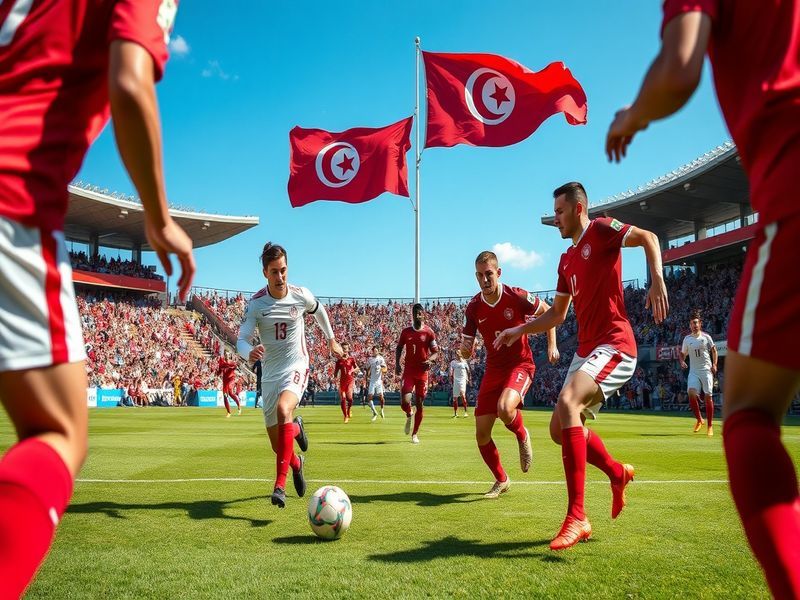
The 2014 FIFA World Cup held in Brazil remains one of the most transformative tournaments in football history. More than just a sporting event, it showcased the sport’s unifying power while exposing deep-seated issues within football’s governing bodies. From stunning upsets to controversial decisions, the tournament left an indelible mark on the game’s evolution.
The Stage: Brazil as Host
Brazil’s selection as host came with immense expectations. The country promised a vibrant celebration of football culture, complete with state-of-the-art stadiums and passionate fan experiences. However, the preparation process revealed significant challenges. Protests erupted across the nation as citizens criticized government spending on stadiums while public services lagged behind.
The tournament opened in São Paulo’s Arena Corinthians, where host nation Brazil defeated Croatia 3-1 in a match overshadowed by referee errors. These early controversies set the tone for a World Cup that would be defined as much by off-field drama as on-field brilliance.
On-Field Drama and Historic Moments
The 2014 World Cup delivered unpredictability unlike any previous tournament. Germany’s 7-1 demolition of Brazil in the semifinals stands as one of football’s most shocking results. The match, played in Belo Horizonte, became known as the “Mineirazo” after Brazil’s catastrophic defensive collapse.
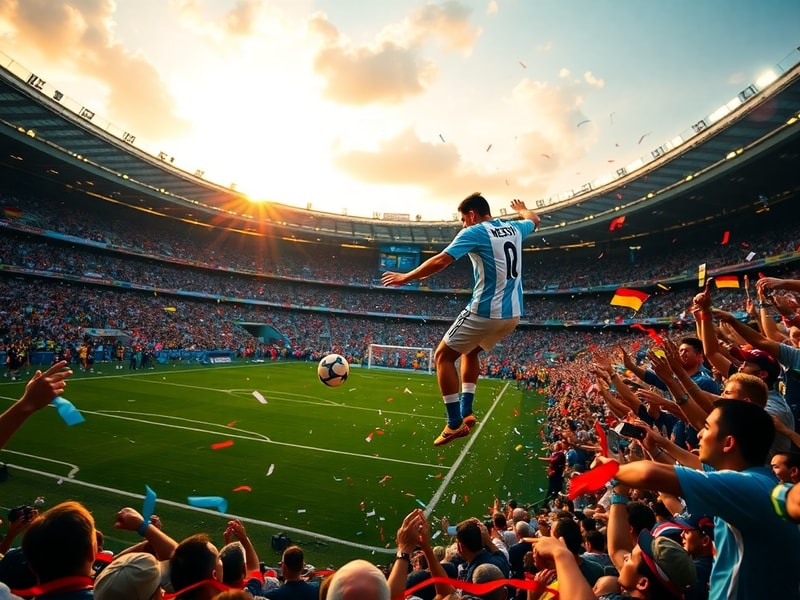
Germany’s eventual victory in the final against Argentina required extra time, with Mario Götze’s 113th-minute volley sealing a 1-0 win. This marked Germany’s fourth World Cup title, solidifying their reputation as football’s most consistent modern powerhouse.
Other memorable moments included:
- James Rodríguez’s stunning volley against Uruguay, which became the tournament’s defining goal
- Tim Howard’s heroic performance for the USA against Belgium, making 16 saves in a 2-1 defeat
- Costa Rica’s improbable quarterfinal run, defeating three traditional powers before falling to the Netherlands
- Manuel Neuer revolutionizing the goalkeeper position with his sweeper-keeper style
Controversies That Shaped the Tournament
No World Cup is complete without controversy, and 2014 delivered several. The most persistent issue involved refereeing decisions, particularly in high-stakes matches. Spain’s group-stage elimination followed questionable penalty decisions against them, while numerous matches featured disputed offside calls.
The introduction of goal-line technology, used for the first time in a World Cup, provided some relief but couldn’t prevent all refereeing errors. FIFA’s handling of these incidents drew criticism, fueling debates about technology’s role in football.
Another controversy emerged around Brazil’s preparation. The host nation’s 0-0 draw with Mexico in their second group match highlighted their struggles, while Neymar’s tournament-ending injury in the quarterfinal against Colombia exposed the fragility of their squad.
Legacy and Broader Implications
The 2014 World Cup’s impact extended far beyond the pitch. It marked a turning point in how global audiences consume football. Social media engagement exploded, with platforms like Twitter becoming essential for real-time fan interaction. The tournament generated over 500 million tweets, demonstrating football’s digital evolution.
For Brazil specifically, the tournament left mixed legacies. While the football infrastructure improved in some cities, the economic benefits failed to materialize as promised. The public backlash against FIFA’s commercialization of the sport influenced subsequent hosting decisions, with future tournaments opting for more modest approaches.
The 2014 World Cup also highlighted football’s shifting power dynamics. European dominance was evident, with Germany, Netherlands, and France all reaching the semifinals. African teams, once considered dark horses, continued to struggle, while Asian football showed promising signs with both Japan and South Korea advancing from the group stage.
Most significantly, the tournament accelerated discussions about player safety and concussion protocols. Fernando Torres’ collision with Colombia’s Juan Zúñiga, which ended Neymar’s tournament, drew attention to football’s need for better injury management systems.
The 2014 World Cup wasn’t just about football—it was a cultural moment that revealed football’s complexities. It celebrated the sport’s ability to bring nations together while exposing football’s commercial excesses and governance challenges. The lessons from Brazil continue to influence how football tournaments are organized and experienced worldwide.
For fans seeking more insights into football’s evolution, explore our Sports and Analysis sections for deeper coverage of football trends and tournament impacts.