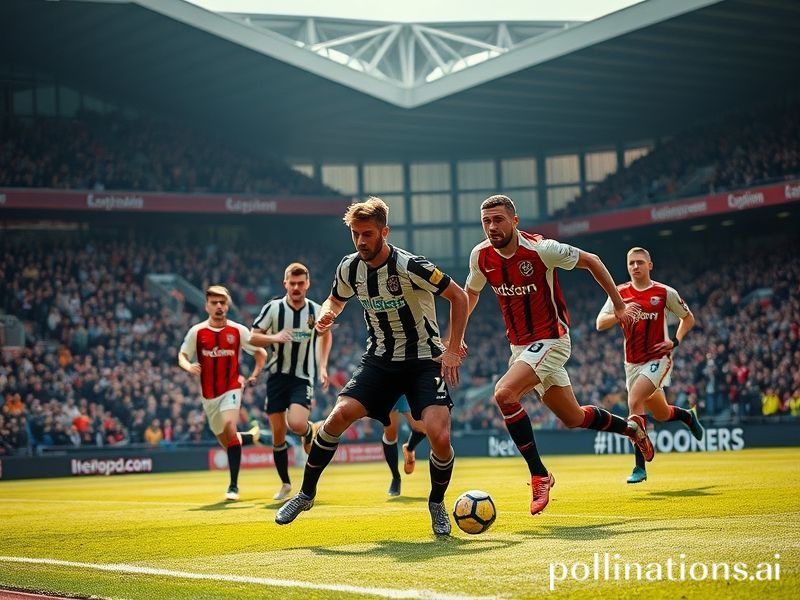
From political statements to moments of pure sporting brilliance, Iran’s appearances in the FIFA World Cup have always carried layers of meaning beyond the pitch.
The Road to the World Cup: A Journey of Resilience
Qualifying for the World Cup is never straightforward for Iran. The team has consistently relied on tactical discipline, technical skill, and an unyielding team spirit to overcome stronger opponents in the AFC Asian Cup and World Cup qualifiers. The 2018 and 2022 campaigns, in particular, showcased Iran’s ability to grind out results under intense pressure, often in hostile environments away from home.
In 2018, Iran topped its qualifying group for the first time in history, finishing ahead of South Korea and Syria. The journey was marked by resilience and tactical maturity under Portuguese coach Carlos Queiroz, who emphasized defensive solidity and set-piece efficiency. Queiroz’s system prioritized organization over flair, a strategy that frustrated opponents but also limited Iran’s creative potential.
By 2022, Iran had evolved. The squad featured younger players like Sardar Azmoun and Mehdi Taremi, who brought technical flair and attacking ambition. Yet, the team still faced challenges off the field. Political unrest in Iran and the death of Mahsa Amini in 2022 cast a shadow over the nation’s participation in Qatar. Players and fans alike carried the weight of these events, turning the World Cup into more than just a sporting event—it became a platform for silent protest and global visibility.
Key Moments: From 1978 to 2022
Iran’s World Cup history spans more than four decades, each tournament reflecting the country’s political and social evolution.
- 1978 (Argentina): Iran’s first-ever World Cup appearance ended in three defeats, but it marked a symbolic moment in football history—the first time a Middle Eastern nation qualified. The team played without international exposure, and the squad reflected a pre-revolutionary Iran still finding its identity.
- 1998 (France): After a 20-year absence, Iran returned to the World Cup with a memorable 2–1 victory over the United States. The win was celebrated globally, symbolizing a bridge between cultures during a time of geopolitical tension. The match remains one of the most watched in World Cup history.
- 2006 (Germany): Iran exited early but made a strong impression with a 1–1 draw against Angola, showcasing creativity and individual talent. The team struggled with internal conflicts and coaching changes, highlighting the challenges of maintaining consistency on the world stage.
- 2014 (Brazil): Iran’s World Cup campaign ended in disappointment, but Carlos Queiroz’s arrival brought structure and belief. The team nearly advanced from the group stage, falling just short after a late loss to Bosnia and Herzegovina.
- 2018 (Russia): Iran made its deepest run yet, nearly reaching the Round of 16. A dramatic 1–0 loss to Portugal in stoppage time ended their hopes, but the team showed grit and tactical discipline, earning respect across football circles.
- 2022 (Qatar): Iran’s participation was overshadowed by political turmoil. Players wore black armbands in mourning, and fans displayed banners supporting women’s rights. Despite a slow start, Iran defeated Wales 2–0 in its final group match, a moment of pride amid global attention on the team’s off-field stance.
The Broader Implications: Football as a Mirror of Society
Iran’s World Cup performances transcend sport. They serve as a lens through which global audiences view Iran’s political struggles, cultural identity, and aspirations for modernity. The team’s 2022 campaign, in particular, became a symbol of resistance—not through words, but through action. Players like goalkeeper Alireza Beiranvand and forward Mehdi Taremi used their platform to amplify voices silenced back home.
Football in Iran is tightly regulated by state authorities, yet the national team has often operated with a degree of autonomy. The Islamic Republic’s relationship with football is complex: the sport is both a tool of soft power and a potential threat when used to express dissent. During the 2022 World Cup, FIFA’s neutral kit policy allowed players to wear shirts with messages supporting women’s rights, a subtle but powerful gesture.
Beyond politics, Iran’s football culture reflects broader societal trends. The rise of women’s football, despite legal restrictions, and the growing influence of social media have transformed how fans engage with the game. Clubs like Persepolis and Esteghlal command passionate followings, and Iranian players in European leagues—such as Alireza Jahanbakhsh and Karim Ansarifard—serve as cultural ambassadors.
Yet, challenges persist. Stadium bans for women, limited infrastructure outside Tehran, and political interference continue to hinder development. The national team’s success in the World Cup often masks these systemic issues, but they remain central to Iran’s footballing future.
What’s Next for Iran in the World Cup?
The 2026 World Cup in the United States, Canada, and Mexico offers Iran a chance to build on recent progress. With a new generation of players emerging from the Persian Gulf Pro League and academies, the team could transition from defensive pragmatism to a more fluid, attacking style.
Key factors will determine Iran’s success:
- Coaching stability: Finding a coach who can blend tactical discipline with creative freedom will be crucial. Queiroz’s departure left a void that has not been fully filled.
- Domestic development: Strengthening youth academies and improving coaching education can produce technically gifted players capable of competing with Europe’s elite.
- Fan engagement: While the national team enjoys broad support, club football in Iran needs investment. A stronger domestic league would raise the overall standard.
- Diplomatic visibility: Iran’s football team often serves as one of the few positive cultural touchpoints globally. Leveraging this platform responsibly will remain a delicate balance.
For Iran, the World Cup is more than a tournament—it’s a stage, a statement, and a source of national pride. The team’s journey reflects the identity of a nation caught between tradition and change, isolation and integration. In football, Iran finds a universal language, one that resonates far beyond its borders.
Iran’s World Cup history is a testament to the power of sport as a unifying force. Whether through political statements, moments of brilliance, or sheer determination, the team has consistently reminded the world that football is more than just a game—it’s a reflection of society itself.
Explore More
- Sports News & Analysis – Stay updated on global football developments and deeper dives into team performances.
- Culture & Politics – Read about how sports intersect with global culture and activism.