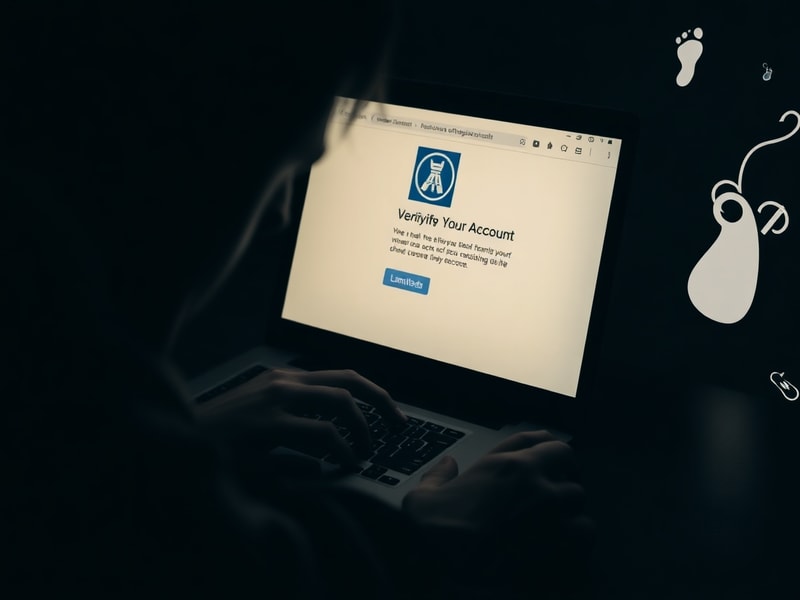
In an era where digital communication dominates both personal and professional spheres, phishing remains one of the most pervasive and damaging cyber threats. Unlike mass-produced scams of the past, modern phishing attacks have evolved into highly sophisticated operations, often tailored to specific individuals or organizations. The consequences extend beyond financial loss—they erode trust in digital systems, damage reputations, and can even compromise national security.
Understanding phishing is no longer optional for internet users. It requires recognizing the subtle tactics attackers use, understanding the psychological triggers they exploit, and adopting proactive security measures. This article examines the mechanics of phishing, its real-world impact, and practical steps to defend against it.
The Evolution of Phishing: From Spam to Targeted Attacks
Phishing began in the mid-1990s as unsophisticated email scams sent en masse, often featuring poor grammar and obvious red flags. Early attackers relied on volume rather than precision, sending millions of messages hoping a small percentage would yield results. Today, the landscape has shifted dramatically. Cybercriminals now leverage advanced social engineering techniques, artificial intelligence, and stolen personal data to craft highly convincing messages.
One of the most alarming trends is the rise of spear phishing, where attackers research their targets extensively to create personalized messages. These attacks often impersonate colleagues, family members, or trusted service providers, making them far harder to detect. A 2023 report from the FBI’s Internet Crime Complaint Center revealed that phishing accounted for over 300,000 reported incidents, with losses exceeding $52 million in the United States alone.
The sophistication of phishing attacks has also led to the emergence of quishing (QR code phishing) and vishing (voice phishing), where attackers use alternative communication channels to bypass traditional email filters. As technology advances, so do the methods of deception, making phishing a constantly moving target.
How Phishing Attacks Work: Anatomy of a Scam
At its core, phishing relies on manipulation rather than brute-force hacking. Attackers exploit human psychology—curiosity, urgency, fear, or trust—to trick victims into revealing sensitive information or granting unauthorized access. While no two phishing attempts are identical, most follow a general framework:
- Lure: The attacker crafts a message designed to provoke an emotional response. Common tactics include fake security alerts, urgent payment requests, or enticing offers.
- Hook: The message contains a call to action, such as clicking a link, downloading an attachment, or responding with personal details.
- Exploit: If the victim takes the bait, the attacker gains access to credentials, financial data, or network resources.
- Escape: Successful attackers quickly cover their tracks, often using compromised accounts to launch further attacks or sell stolen data on the dark web.
One of the most insidious aspects of phishing is its ability to bypass technical defenses. Even users with strong cybersecurity habits can fall victim if they’re caught off guard. For example, a well-crafted phishing email might appear to come from a company’s CEO, instructing an employee to transfer funds to a “vendor.” Without proper verification protocols, such requests can seem legitimate.
Another growing concern is business email compromise (BEC), a subset of phishing where attackers impersonate executives or trusted partners to authorize fraudulent transactions. According to the FBI, BEC scams resulted in losses of $2.7 billion in 2022, making them one of the costliest cybercrimes.
The Broader Implications: Beyond Financial Loss
While financial theft is the most visible consequence of phishing, its impact extends far deeper into society. For businesses, a successful phishing attack can lead to data breaches, regulatory fines, and long-term reputational damage. High-profile incidents, such as the 2020 Twitter hack—where attackers used phishing to gain access to internal tools and hijack celebrity accounts—demonstrate how quickly trust can erode.
On a national level, phishing poses a serious threat to critical infrastructure. In 2021, a phishing attack on a Florida water treatment facility nearly led to a hazardous chemical release. Similarly, government agencies and healthcare systems have been targeted, compromising sensitive citizen data. These incidents highlight the need for robust cybersecurity frameworks and public awareness campaigns.
Beyond tangible losses, phishing also contributes to a culture of distrust. When users become wary of every email, link, or unexpected message, productivity suffers. Organizations may face increased support tickets as employees second-guess legitimate communications, while individuals may avoid digital interactions altogether out of fear. This erosion of trust has societal costs, stifling innovation and collaboration.
Defending Against Phishing: Proactive Strategies for Individuals and Organizations
Combating phishing requires a multi-layered approach that combines technology, education, and policy. While no solution is foolproof, implementing these strategies can significantly reduce risk:
- Employee Training: Regular phishing simulations and security awareness programs help users recognize red flags. Organizations should emphasize skepticism—when in doubt, verify through a trusted channel.
- Multi-Factor Authentication (MFA): Even if credentials are stolen, MFA adds an additional layer of security, preventing unauthorized access.
- Email Filtering: Advanced email security solutions use machine learning to detect suspicious patterns, such as unusual sender addresses or embedded links.
- Verification Protocols: For financial transactions or sensitive data requests, establish a secondary approval process, such as a phone call to confirm the request.
- Incident Response Plans: Organizations should have clear procedures for reporting and mitigating phishing attacks, including isolating compromised systems and notifying relevant parties.
For individuals, the key is vigilance. Always check sender addresses for subtle misspellings or mismatched domains. Hover over links (without clicking) to preview the destination URL. Be wary of messages that create a sense of urgency or demand immediate action. And remember—legitimate organizations will never ask for sensitive information via email or text.
Technology alone cannot solve the phishing problem. A 2022 study by Stanford University found that human error accounts for 88% of data breaches, underscoring the need for ongoing education and cultural change within organizations.
Looking Ahead: The Future of Phishing and Cybersecurity
As cybersecurity defenses improve, so too do the tactics of attackers. The rise of deepfake technology, for example, could enable phishing attacks that use AI-generated voices or videos to impersonate executives with alarming accuracy. Similarly, the proliferation of smishing (SMS phishing) and angler phishing (fake customer service accounts on social media) shows how attackers adapt to new platforms.
Governments and private sector leaders are responding with initiatives like the Cybersecurity and Infrastructure Security Agency’s (CISA) Stop.Think.Connect. campaign and the EU’s General Data Protection Regulation (GDPR), which imposes strict penalties for data breaches. However, the battle against phishing is ongoing, requiring continuous innovation in both defense and detection.
Ultimately, the fight against phishing is a shared responsibility. Individuals must remain vigilant, organizations must prioritize security culture, and technology providers must develop more intuitive tools to detect and prevent attacks. By staying informed and proactive, we can reduce the success rate of these digital deception tactics and protect the integrity of our online ecosystems.
For those interested in exploring cybersecurity further, Dave’s Locker offers curated resources on Technology and Security, providing expert analysis and practical guides for staying safe online.