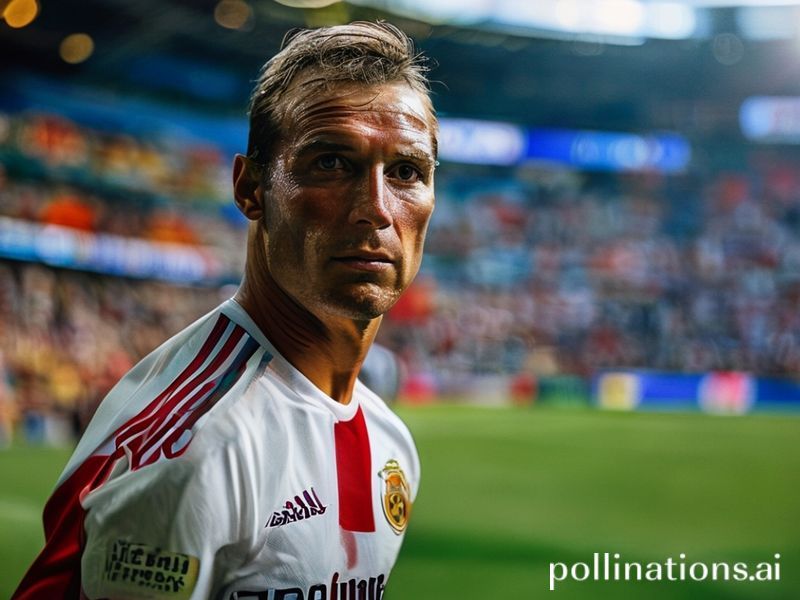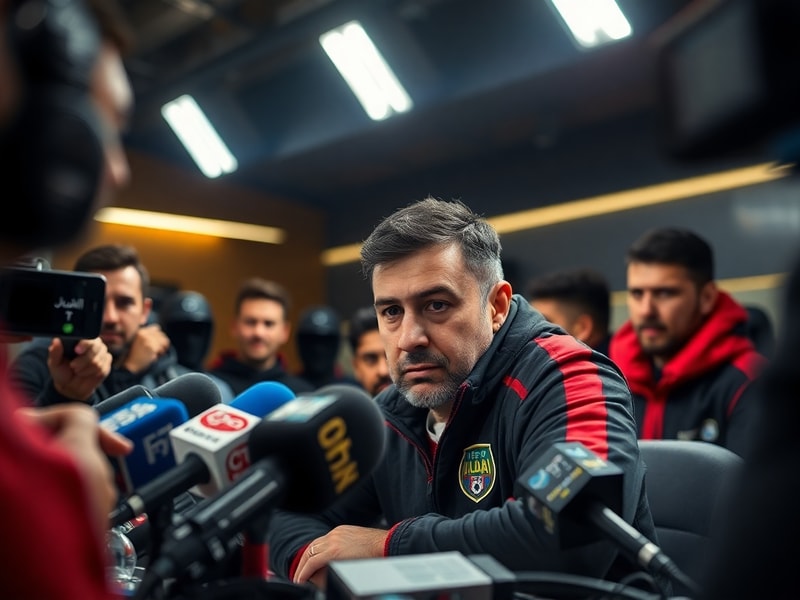
Amir Ghalenoei, the Iranian football manager and former player, has once again found himself at the center of controversy following his post-match press conferences. His candid remarks—often laced with sharp critiques of referees, rival coaches, and even his own players—have become a cultural touchstone in Iranian and broader Middle Eastern football discourse. These comments frequently transcend the boundaries of sports journalism, embedding themselves in public debates about authority, accountability, and the pressures of high-stakes competition.
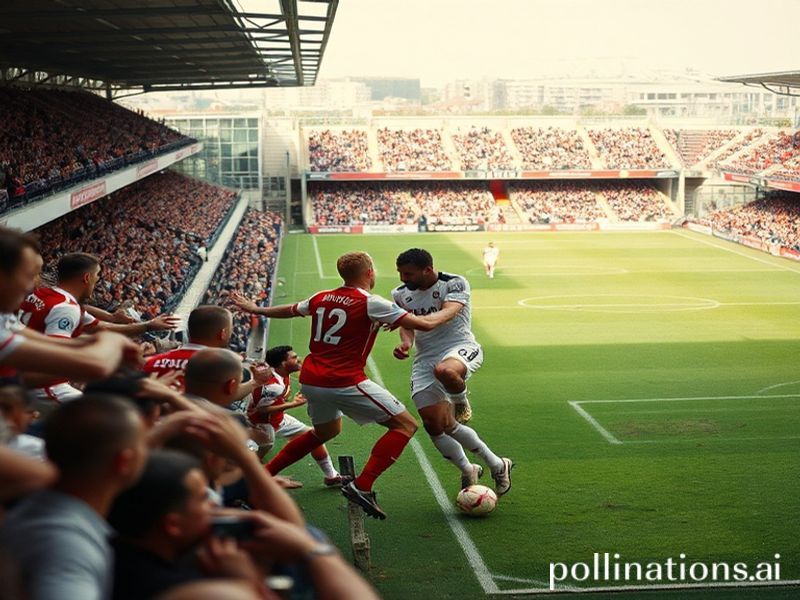
The latest round of post-match statements came after Iran’s national team suffered a narrow defeat in a World Cup qualifier. Ghalenoei’s frustration was palpable, as he questioned the officiating decisions that he believed cost his team the match. “The referee’s performance was unacceptable,” he stated, pointing to what he described as “clear errors that changed the course of the game.” Such directness is not uncommon for Ghalenoei, whose reputation for unfiltered commentary has made him both a polarizing figure and a compelling subject in sports media.
The Role of Post-Match Press Conferences in Global Football Culture
Post-match press conferences are a ritual in professional football. They serve as a platform for managers and players to explain their team’s performance, address controversies, and sometimes deflect blame. In Europe, these sessions are often tightly controlled, with coaches delivering carefully worded statements designed to avoid fines or sanctions. In contrast, Ghalenoei’s approach is far more confrontational, reflecting broader cultural attitudes toward authority and transparency in Iranian society.
His style resonates with a segment of the Iranian public that values directness and authenticity, especially in a context where public figures are often perceived as guarded or evasive. This cultural dynamic adds layers to his comments beyond mere sports analysis. They become a form of public discourse, challenging the status quo and demanding accountability from those in power.
Ghalenoei’s influence extends beyond Iran’s borders. In the Middle East, where football is a unifying force, his candid remarks are often dissected in local media, sparking discussions about the role of managers in shaping team identity and public perception. His comments are not just about football—they reflect deeper societal tensions around leadership, fairness, and the expectations placed on public figures.
A Closer Look at Ghalenoei’s Recent Controversies
The most recent controversy unfolded after Iran’s 1-0 loss to South Korea in a World Cup qualifier. Ghalenoei’s post-match remarks were unusually direct. He criticized the referee for a “blatant offside call” that nullified what he believed was a legitimate goal for Iran. “Football is a game of decisions,” he said. “When those decisions are wrong, the consequences are real.”
His frustration was not limited to the officials. He also questioned the performance of his own players, particularly those in midfield, suggesting that “some individuals did not show the commitment required at this level.” Such self-critical honesty is rare in post-match interviews, where coaches often emphasize unity and solidarity. Ghalenoei’s willingness to call out perceived weaknesses has earned him both admiration and criticism.
The backlash was immediate. Social media platforms erupted with opinions. Some fans defended his honesty, arguing that it reflected a commitment to improvement. Others accused him of undermining team morale and creating unnecessary distractions. The debate quickly spread beyond sports circles, with political commentators weighing in on whether his remarks were justified in a country where football is deeply intertwined with national pride.
- Defenders of Ghalenoei argue that his honesty is refreshing in an era where public figures often avoid accountability. They see his comments as a necessary counterbalance to the polished, PR-driven statements common in European football.
- Critics contend that his approach is counterproductive, particularly in high-pressure situations where team unity is critical. They worry that his public criticism could demoralize players and weaken the team’s cohesion.
- Neutral observers note that his style reflects broader societal attitudes in Iran, where directness is often valued over diplomatic restraint.
The Broader Impact on Iranian Football and Media
Ghalenoei’s post-match comments have had a tangible impact on Iranian football culture. They have elevated the role of the press conference from a routine obligation to a stage for public debate. Journalists now approach these sessions with the anticipation of a potential headline, knowing that Ghalenoei’s remarks could spark discussions that extend far beyond the match itself.
This shift has also influenced how Iranian football is covered in the media. Sports journalists are increasingly expected to contextualize Ghalenoei’s comments within broader cultural and political frameworks, rather than treating them as isolated incidents. His statements are often analyzed for their subtext, with pundits dissecting whether they reflect a deeper dissatisfaction with the state of Iranian football or broader societal frustrations.
Internationally, Ghalenoei’s approach has drawn comparisons to other outspoken managers, such as José Mourinho and Pep Guardiola, who have also used press conferences as a platform for both tactical insights and public relations. However, the cultural context in Iran adds a unique dimension to his commentary. In a country where football is a significant cultural export and a source of national pride, Ghalenoei’s words carry weight that transcends the pitch.
What’s Next for Ghalenoei and Iranian Football?
The question now is whether Ghalenoei’s approach will continue to shape Iranian football’s narrative or if it will eventually lead to consequences. His contract with the national team is up for renewal, and the Iranian Football Federation may be weighing the risks of his outspokenness against the potential benefits of his tactical acumen and leadership.
For fans, the debate over Ghalenoei’s comments is likely to persist. Some will continue to see him as a voice of reason in a system that often prioritizes appearances over substance. Others will view him as a liability, whose words could undermine the team’s chances in future tournaments. Regardless of where one stands, it is clear that his post-match remarks have become a defining feature of Iranian football discourse.
As the team prepares for its next challenge, the world will be watching—not just for the results on the pitch, but for the words that follow. In football, as in life, the aftermath of a match is often as revealing as the match itself.
For more analysis on football trends and cultural impacts in sports, visit our Sports section.
To explore how media shapes public perception in sports, check out our Analysis category.