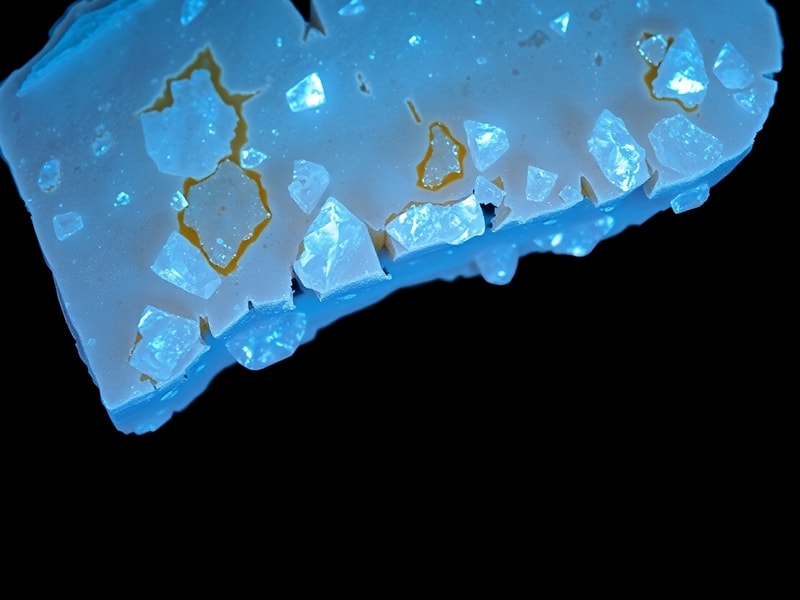
Calcium is far more than a mineral found in dairy products or chalkboards. It is the fifth most abundant element in the Earth’s crust, a cornerstone of human biology, and a silent force in global industries ranging from construction to medicine. Without calcium, bones would crumble, cells would fail to communicate, and entire economies would falter. This essential nutrient connects ancient traditions with cutting-edge technology, rural villages with urban markets, and individual health with planetary cycles.
The Biology of Calcium: More Than Just Strong Bones
Calcium is most commonly associated with bone strength, and for good reason. About 99% of the body’s calcium is stored in bones and teeth, where it provides structural support. However, the remaining 1% plays a vital role in nearly every physiological process. Calcium ions act as messengers in cell signaling, enabling muscle contraction, nerve function, and blood clotting. Even heartbeats depend on calcium channels that regulate rhythm and force.
This dual role—structural and functional—makes calcium deficiency particularly dangerous. Conditions like osteoporosis, which affects over 200 million people worldwide, stem from long-term calcium shortfalls. Women, especially postmenopausal, face higher risks due to hormonal changes that accelerate bone loss. In contrast, populations with diets rich in calcium—such as those consuming traditional Mediterranean or East Asian foods—tend to show lower fracture rates. The biological significance of calcium is universal, yet its availability is uneven across regions.
Calcium Across Cultures: From Diet to Tradition
Cultural dietary patterns often dictate calcium intake long before modern nutrition science emerged. In India, where dairy consumption is deeply embedded in religious and social practices, milk, yogurt, and ghee form the backbone of daily diets. The country is the world’s largest milk producer, with per capita consumption rising steadily alongside economic growth. Yet, lactose intolerance affects a significant portion of the population, prompting innovation in plant-based calcium sources like sesame seeds and moringa leaf powder.
In Scandinavia, long winters and limited sunlight led to the widespread use of fermented dairy products such as filmjölk and skyr. These foods not only preserved milk through fermentation but also enhanced calcium absorption by reducing lactose content. Similarly, in parts of Africa, baobab fruit powder and bone broths have traditionally supplied calcium in regions where dairy is scarce. These examples show how calcium consumption adapts to environment and tradition, long before fortified foods entered the global market.
Calcium in the Global Economy: From Quarries to Pharma
Calcium’s journey from rock to remedy illustrates its economic versatility. The global calcium carbonate market alone is valued at over $20 billion, driven by demand from paper, plastics, paints, and pharmaceuticals. China dominates production, supplying nearly 60% of the world’s precipitated calcium carbonate, used in everything from toothpaste to industrial fillers. Meanwhile, India exports limestone, the raw form of calcium carbonate, to over 50 countries, supporting both construction and agriculture.
In the pharmaceutical sector, calcium supplements represent a $5 billion industry. Countries like Germany and the U.S. lead in producing high-purity calcium citrate and gluconate, favored for their bioavailability. Yet, quality varies widely. A 2022 investigation by the International Osteoporosis Foundation found that some supplements sold in Southeast Asia contained unsafe levels of lead due to contaminated raw materials. This highlights the need for global standards in calcium sourcing and processing.
Industrial Uses: Building the Modern World
Beyond biology and medicine, calcium is a building block of modern infrastructure. Cement, the most widely used construction material, relies on calcium oxide (quicklime) as a primary ingredient. The Great Wall of China, the Roman aqueducts, and today’s skyscrapers all depend on calcium-based chemistry. Even glass manufacturing requires calcium carbonate to lower melting temperatures and improve durability.
Calcium also plays a role in environmental sustainability. In water treatment, calcium hydroxide neutralizes acidic waste streams, reducing pollution in rivers and lakes. In agriculture, gypsum (calcium sulfate) improves soil structure and reduces aluminum toxicity in acidic soils, boosting crop yields in regions like sub-Saharan Africa. These applications show how calcium bridges environmental protection with economic progress.
Challenges and Opportunities in the Calcium Supply Chain
Despite its abundance, calcium faces supply chain and ethical challenges. Mining limestone and gypsum often occurs in developing nations with lax environmental regulations. In Vietnam, illegal limestone quarries have devastated local ecosystems, leaving sinkholes and polluted water supplies in their wake. Similarly, coral reef mining for calcium carbonate in Indonesia has threatened marine biodiversity, prompting calls for sustainable sourcing.
On the demand side, aging populations in Japan, Europe, and North America are driving up calcium supplement sales, straining resources. Conversely, in regions like Sub-Saharan Africa, calcium deficiency remains rampant due to dietary gaps. UNICEF estimates that 40% of children under five in parts of East Africa suffer from calcium shortfalls, contributing to stunted growth and weakened immunity.
Innovations and Alternatives on the Horizon
To address these challenges, scientists and entrepreneurs are exploring new sources and delivery methods. Algae-based calcium supplements, such as those derived from red seaweed, offer a sustainable alternative to mined calcium carbonate. Companies in the U.S. and Australia are commercializing these products, targeting vegan and allergy-sensitive consumers. Meanwhile, in India, startups are developing calcium-fortified millets to combat deficiency in rural areas where dairy access is limited.
In the construction sector, researchers are testing calcium-based cement alternatives that absorb CO2 during hardening, potentially turning buildings into carbon sinks. These innovations suggest that calcium’s future may lie not just in extraction, but in regeneration and circular economies.
Conclusion: Calcium as a Lens for Global Interdependence
Calcium is more than a nutrient or mineral—it is a symbol of global interdependence. It ties together ancient traditions and futuristic technologies, rural health and urban industry, environmental degradation and sustainable solutions. As climate change alters soil composition and migration reshapes dietary habits, calcium’s role will only grow more complex. Addressing its challenges requires cooperation across borders, from mining companies adopting ethical practices to governments investing in nutrition education.
For individuals, understanding calcium means recognizing its presence in daily life—not just in a glass of milk, but in the walls of a home, the screen of a smartphone, and the rhythm of a heartbeat. By valuing calcium beyond its immediate benefits, we invest in a healthier, more sustainable world.
To learn more about how calcium intersects with global trade and health initiatives, explore our Health and Science categories. Understanding these connections can help us navigate a future where nutrition, industry, and environment are inseparable.