What Exactly Is Flamingo Land?
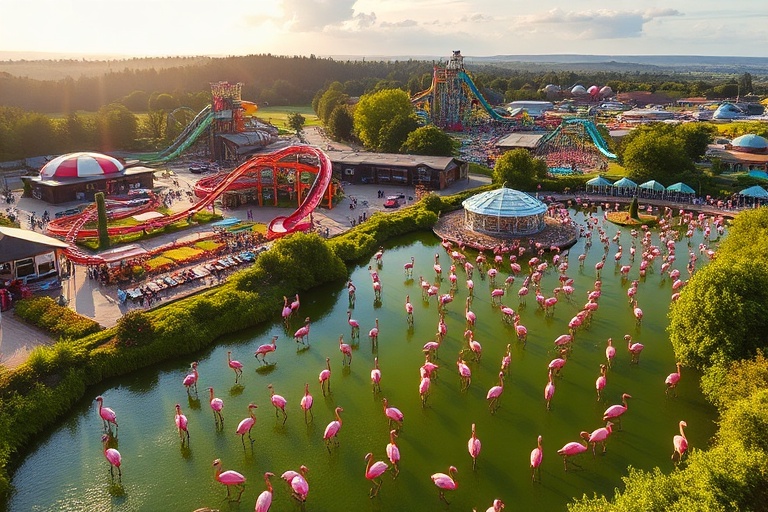
Flamingo Land is more than just a theme park—it’s a sprawling entertainment complex in North Yorkshire, England, that blends amusement rides with zoo experiences. Founded in 1964 by the Ward family, the park began as a modest zoological collection before expanding into its current incarnation. Today, it spans over 80 acres and attracts visitors with its mix of thrilling rides, exotic animals, and family-friendly attractions.
The park’s name comes from its iconic flamingo population, which has been a staple since its early days. These bright pink birds are housed in a purpose-built lagoon, serving as a visual centerpiece. But Flamingo Land’s appeal extends far beyond its avian residents. The park features roller coasters, water slides, and even a log flume, alongside animal exhibits that include big cats, reptiles, and birds of prey.
A Brief Timeline of Flamingo Land
The park’s evolution reflects broader trends in the leisure industry. Here’s a quick look at its key milestones:
- 1964: The Ward family opens Flamingo Park, initially focusing on a small zoo.
- 1980s: The park expands with the introduction of amusement rides, transforming it into a hybrid attraction.
- 2000s: Major investments in roller coasters and animal exhibits elevate its profile as a regional destination.
- 2010s: New ownership brings further modernization, including immersive animal encounters.
The Business of Fun: How Flamingo Land Operates
Flamingo Land is a privately owned business, and its success hinges on balancing entertainment with conservation. Unlike larger theme parks such as Disneyland or Universal Studios, Flamingo Land operates on a smaller scale, allowing it to maintain a more intimate atmosphere. This approach has helped it carve out a niche in the competitive UK leisure market.
Revenue streams are diverse. Ticket sales account for a significant portion, but the park also generates income from food and beverage sales, merchandise, and special events. One standout feature is its annual festivals, such as the Halloween Spooktacular and the Christmas spectacular, which draw repeat visitors.
The park’s animal conservation efforts are another key differentiator. Flamingo Land participates in breeding programs for endangered species, including the scimitar-horned oryx and the Jamaican iguana. These initiatives not only fulfill ethical obligations but also enhance the park’s reputation as a responsible attraction.
Challenges in the Leisure Industry
Running a park like Flamingo Land isn’t without hurdles. Seasonal fluctuations in attendance can strain cash flow, while rising operational costs—fuel, staff wages, and maintenance—eat into profits. The COVID-19 pandemic delivered a particularly brutal blow, forcing temporary closures and disrupting business plans.
Yet, Flamingo Land’s ability to adapt has been notable. During lockdowns, the park launched virtual tours and online educational programs, keeping engagement alive. Such pivots highlight the importance of agility in an industry where visitor expectations are constantly evolving.
Beyond the Park: Flamingo Land’s Broader Impact
Flamingo Land’s influence extends beyond its gates. As a major employer in North Yorkshire, the park supports hundreds of local jobs, from ride operators to zookeepers. Its presence also bolsters the regional economy, drawing tourists who spend money at nearby hotels, restaurants, and shops.
The park’s conservation work has ripple effects as well. By participating in breeding programs, Flamingo Land contributes to global efforts to preserve biodiversity. Its educational programs, aimed at school groups and families, foster awareness about wildlife protection—a critical mission in an era of environmental decline.
Cultural Significance
Flamingo Land has become a cultural touchstone for generations of British families. For many, a trip to the park is a rite of passage, evoking nostalgia for childhood summers spent on the rides or watching the flamingos wade in their lagoon. This emotional connection is invaluable in an age where digital distractions compete for attention.
The park’s role as a community hub is equally important. Events like fireworks displays and summer concerts bring people together, fostering a sense of local pride. In this way, Flamingo Land is more than an attraction—it’s a social institution.
Looking Ahead: The Future of Flamingo Land
The future of Flamingo Land will likely hinge on innovation and sustainability. The park has hinted at new rides and animal exhibits, but its long-term success may depend on how well it embraces eco-friendly practices. Solar panels, water conservation, and sustainable sourcing are areas where the park could lead by example.
Technology will also play a role. Augmented reality (AR) and virtual reality (VR) could enhance visitor experiences, while data analytics might help optimize operations. The challenge will be balancing innovation with the park’s core identity—a place where families can disconnect from screens and reconnect with nature.
One thing is certain: Flamingo Land’s ability to evolve while staying true to its roots will determine its longevity. For now, it remains a beloved fixture in the UK’s leisure landscape, offering something for everyone—whether you’re a thrill-seeker, an animal lover, or simply looking for a day out.
Final Thoughts
Flamingo Land’s story is a testament to the enduring appeal of shared experiences. In an era where digital entertainment dominates, it stands as a reminder of the joy found in physical spaces. Its blend of fun, education, and conservation sets a standard for the industry, proving that leisure attractions can be both profitable and purposeful.
As Flamingo Land continues to grow, it will face new challenges and opportunities. But if its past is any indication, the park is well-equipped to navigate the future—one ride, one flamingo, and one family at a time.
For more insights into the world of entertainment and leisure, explore our Entertainment and Travel categories on Dave’s Locker.