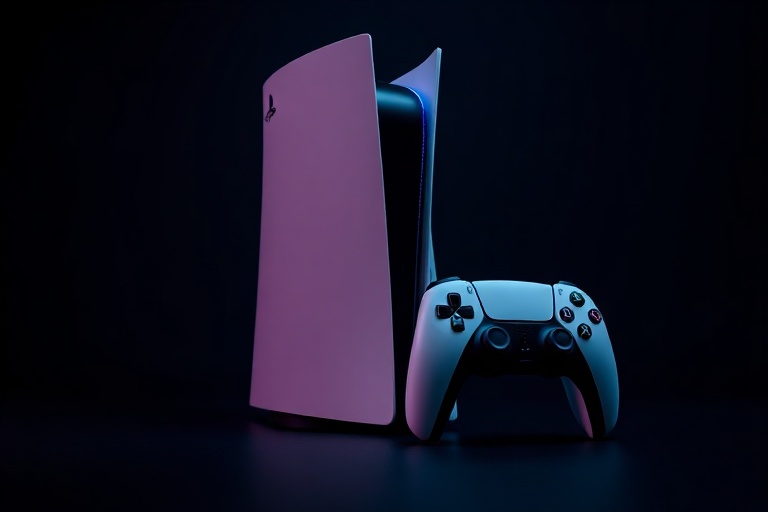
sony playstation
“`html
Sony PlayStation: The Console That Redefined Gaming
The Sony PlayStation isn’t just a gaming console—it’s a cultural institution that reshaped entertainment, technology, and consumer electronics since its debut in 1994. From the original PlayStation to the latest PlayStation 5, Sony has consistently pushed boundaries, blending cutting-edge hardware with immersive experiences that transcend traditional gaming. The PlayStation brand has become synonymous with innovation, exclusivity, and a loyal community of millions.
What began as a collaboration between Sony and Nintendo—and nearly became a CD-based add-on for the Super Nintendo—evolved into a standalone empire. The first PlayStation launched as a bold experiment in 3D graphics and CD-based gaming, a stark contrast to the cartridge-based systems of the era. Three decades later, the PlayStation brand stands as a testament to Sony’s ability to adapt, innovate, and dominate in an ever-changing industry.
The Evolution of a Gaming Legend
The PlayStation story is one of reinvention. Each console generation introduced not just new hardware, but new ways to play, connect, and experience stories. The original PlayStation (1994) brought 3D gaming to the mainstream with titles like Final Fantasy VII and Metal Gear Solid. The PlayStation 2 (2000) became the best-selling console of all time, thanks to its DVD playback capability and groundbreaking games like Grand Theft Auto: San Andreas. The PlayStation 3 (2006) introduced Blu-ray and the Cell processor, though its early struggles with pricing and complexity nearly derailed its momentum.
By the time the PlayStation 4 launched in 2013, Sony had learned from past missteps. The PS4 prioritized developer-friendly architecture, social integration, and a focus on single-player experiences. Titles like God of War (2018) and The Last of Us Part II showcased the console’s narrative depth. The PlayStation 5 (2020) doubled down on innovation with lightning-fast SSD storage, haptic feedback controllers, and support for 4K/120Hz gaming. It also embraced backward compatibility—a first for Sony—allowing players to revisit decades of PlayStation classics.
Sony’s hardware evolution reflects broader trends in technology. The shift from CDs to Blu-rays mirrored the transition from standard definition to high-definition media. The move toward digital storefronts with the PlayStation Store anticipated the decline of physical media. Today, cloud gaming and subscription services like PlayStation Plus Extra and Premium are redefining access, making high-end gaming more affordable and accessible.
Exclusives: The Heart of PlayStation’s Appeal
PlayStation’s greatest strength lies in its first-party exclusives. Unlike Microsoft’s Xbox, which has leaned heavily on acquisitions and backward compatibility, Sony has cultivated a robust in-house development pipeline. Studios like Naughty Dog, Santa Monica Studio, and Insomniac Games have become synonymous with blockbuster storytelling and technical excellence.
Consider God of War: Ragnarök (2022), a game that blended Norse mythology with cinematic precision, selling over 25 million copies within months. Or Spider-Man 2 (2023), which introduced a dynamic traversal system and a dual-protagonist narrative. Even Horizon Forbidden West (2022) demonstrated Sony’s commitment to open-world design, pushing the boundaries of visual fidelity and environmental storytelling.
These exclusives aren’t just commercial successes—they’re cultural touchstones. They drive console sales, shape industry trends, and often set new standards for interactive entertainment. The PlayStation exclusives ecosystem has become a blueprint for how a hardware manufacturer can leverage software to create a self-sustaining ecosystem.
Key PlayStation Exclusives Over the Years:
- Final Fantasy VII (1997) – Revolutionized JRPGs and established PlayStation as a narrative powerhouse.
- Metal Gear Solid (1998) – Redefined stealth gameplay and cinematic storytelling.
- Shadow of the Colossus (2005) – A minimalist masterpiece that influenced game design philosophy.
- The Last of Us (2013) – Blurred the line between games and cinematic experiences.
- Demon’s Souls (2020) – Revived the soulslike genre and became a PS5 launch title.
PlayStation in the Broader Gaming Landscape
The PlayStation brand doesn’t exist in a vacuum—it operates within a highly competitive ecosystem. Microsoft’s Xbox Series X|S and Nintendo’s Switch have forced Sony to continually innovate. While Xbox focuses on Game Pass and acquisitions, and Nintendo prioritizes family-friendly innovation, Sony has doubled down on cinematic experiences, high-end graphics, and single-player dominance.
This strategy has its critics. Some argue that Sony’s reliance on exclusives creates a “walled garden” that limits third-party support. Others point to the PlayStation 5’s higher price point compared to competitors as a barrier to entry. However, Sony’s approach has also fostered a dedicated fanbase willing to invest in the ecosystem for the promise of unparalleled experiences.
Beyond hardware and software, PlayStation has expanded into other areas of entertainment. The Uncharted and Spider-Man franchises have spawned successful Hollywood adaptations. PlayStation Productions, Sony’s in-house studio, is actively developing film and TV adaptations of its games, signaling a long-term strategy to diversify revenue streams.
The broader implications of PlayStation’s dominance are significant. It has influenced how consoles are marketed, how games are monetized, and how players engage with digital ecosystems. The success of PlayStation Plus subscriptions, for example, reflects a shift toward service-based models in gaming—a trend that mirrors the rise of Netflix in entertainment.
The Future of PlayStation: What’s Next?
As Sony looks to the future, several key trends will shape the next generation of PlayStation consoles. Cloud gaming is poised to become a major focus, with the upcoming PlayStation Portal—a handheld device for remote streaming—signaling Sony’s intent to compete with Xbox Cloud Gaming and Nintendo Switch Online. The integration of AI could enhance game development, NPC behavior, and even real-time graphics rendering.
Sony is also likely to expand its presence in virtual reality. While the PlayStation VR2 (2023) received mixed reviews for its high price and limited content library, VR remains a long-term play for the company. As VR technology evolves, PlayStation could become a leader in accessible, high-quality virtual experiences.
Another area of growth is sustainability. Sony has committed to reducing its carbon footprint, with goals to achieve carbon neutrality by 2040. This includes efforts to use recycled materials in console manufacturing and optimize energy efficiency in hardware design.
The next PlayStation console—likely arriving in the mid-2020s—will need to balance innovation with accessibility. Players today expect more than just raw power; they demand seamless integration with other devices, robust online services, and a commitment to ethical business practices. Sony’s ability to meet these expectations will determine whether it can maintain its leadership in an increasingly crowded market.
Conclusion: Why PlayStation Still Matters
Sony PlayStation is more than a console—it’s a cultural touchstone that has shaped three decades of gaming history. From its humble beginnings as a rejected Nintendo partnership to its current status as a multimedia empire, PlayStation has consistently delivered experiences that resonate with players on a deeply personal level. Its exclusives have set new standards for storytelling, its hardware has pushed technological boundaries, and its ecosystem has fostered a community unlike any other in gaming.
As the industry continues to evolve, PlayStation’s challenge will be to stay ahead of trends while remaining true to its core values: innovation, quality, and player experience. Whether through groundbreaking exclusives, cutting-edge hardware, or strategic expansions into new mediums, Sony remains a defining force in gaming. For millions of players worldwide, the PlayStation isn’t just a console—it’s a gateway to adventure, a canvas for creativity, and a testament to the power of interactive entertainment.
For those looking to dive deeper into PlayStation’s history, accessories, or game libraries, explore our curated collections on Gaming and Technology at Dave’s Locker. Whether you’re a veteran player or a newcomer, the PlayStation universe offers something for everyone.
—
METADATA
{
“title”: “Sony PlayStation: How the Console Changed Gaming Forever”,
“metaDescription”: “From 1994 to today, discover how Sony PlayStation redefined gaming with exclusives, innovation, and cultural impact.”,
“categories”: [“Technology”, “Gaming”],
“tags”: [“PlayStation history”, “PS5 features”, “Sony gaming exclusives”, “console evolution”, “PlayStation VR2”],
“imageDescription”: “A split-screen image showing the evolution of PlayStation consoles: the original gray PS1 on the left, a black PS2 in the center, a white PS4 on the right, and the futuristic black-and-white PS5 DualSense edition on the far right. The background features abstract neon circuits and a subtle PlayStation logo glow, evoking a high-tech, retro-futuristic mood.”
}
—END METADATA—
“`