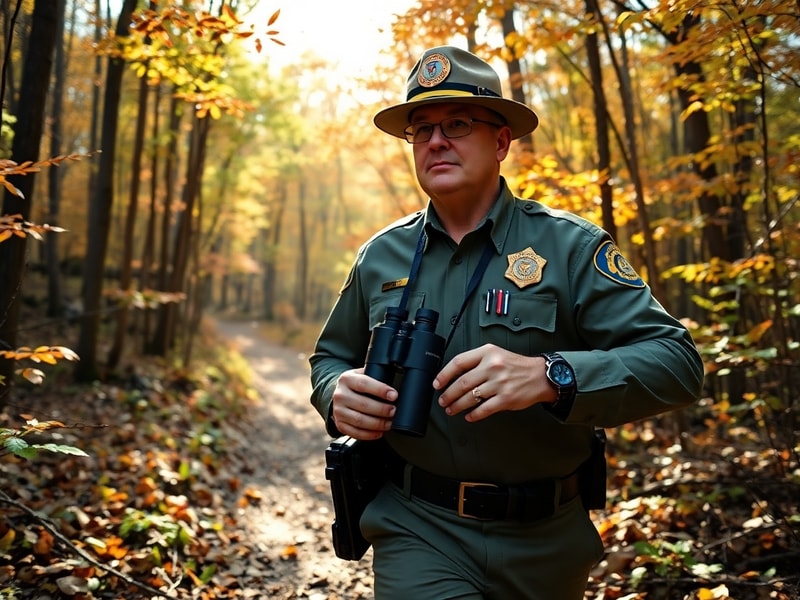
The Pennsylvania Game Commission (PGC) stands as one of the most influential wildlife conservation agencies in the United States. Since its establishment in 1895, the agency has played a pivotal role in managing the state’s diverse ecosystems while balancing the needs of wildlife populations with those of hunters, outdoor enthusiasts, and the broader public.
With over 1.5 million acres of state game lands under its stewardship, the PGC doesn’t just regulate hunting seasons—it actively shapes the future of Pennsylvania’s natural landscapes. From restoring dwindling species to educating the next generation of conservationists, its work extends far beyond the rifle season.
A Brief History of the Pennsylvania Game Commission
The agency’s origins trace back to the late 19th century, a time when unregulated hunting had pushed species like white-tailed deer and wild turkeys to the brink of extinction in Pennsylvania. In response, the state legislature created the PGC to impose hunting restrictions, enforce conservation laws, and restore wildlife populations.
One of its earliest successes came in the 1920s with the reintroduction of wild turkeys, which had disappeared from the state. Through careful translocation efforts, the PGC helped rebuild turkey populations to over 250,000 today. Similarly, the agency’s work in deer management has transformed Pennsylvania into a premier destination for deer hunters, with populations carefully balanced to prevent overbrowsing of forest understories.
Key Milestones in PGC History
- 1895: Pennsylvania Game Commission is officially established.
- 1907: First regulated hunting seasons implemented to curb overharvesting.
- 1920s: Wild turkey restoration begins, leading to species recovery.
- 1970s: Environmental laws like the Clean Air Act and Endangered Species Act strengthen PGC’s conservation efforts.
- 2010s: Chronic wasting disease (CWD) monitoring and containment become top priorities.
Conservation Programs and Wildlife Management
The PGC’s conservation strategy is built on science, collaboration, and adaptive management. Unlike federal agencies that focus on broader regions, the PGC operates with a hyper-local approach, tailoring its programs to Pennsylvania’s unique ecosystems—from the Appalachian Mountains to the Lake Erie shoreline.
One of its most visible programs is the state game lands system, which provides habitat for wildlife while offering public access for hunting, fishing, and hiking. The PGC also partners with private landowners through the Conservation Reserve Enhancement Program (CREP), incentivizing habitat improvements on farmlands and forests.
Species-Specific Conservation Efforts
The agency doesn’t treat all wildlife equally—it prioritizes species based on ecological importance and public interest. Here’s how it approaches some of Pennsylvania’s most iconic animals:
- White-tailed Deer: The PGC uses a combination of regulated harvests, antler-point restrictions, and disease monitoring to maintain healthy populations. Recent efforts focus on combating chronic wasting disease (CWD), a fatal neurological disorder spreading through the state’s deer herd.
- Black Bears: Once nearly extirpated, black bears now number over 18,000 in Pennsylvania. The PGC manages bear populations through regulated hunting seasons while addressing human-bear conflicts in suburban areas.
- Ruffed Grouse: This game bird has seen steep population declines due to habitat loss and West Nile Virus. The PGC collaborates with the Ruffed Grouse Society to restore young forests critical for grouse survival.
- Bald Eagles: After DDT pesticide nearly wiped out Pennsylvania’s eagles, the PGC’s ban on the chemical and habitat protections allowed the species to rebound. Today, over 300 nesting pairs exist in the state.
The PGC and Hunting: Regulations, Education, and Ethics
Hunting remains central to the PGC’s identity, but its role has evolved from solely a regulatory body to an educator and advocate for ethical hunting practices. The agency oversees hunting seasons for deer, turkey, bear, waterfowl, and small game, ensuring sustainable harvests while preventing overharvesting.
One of its most significant contributions is hunter education. Pennsylvania requires all first-time hunters born after January 1, 1969, to complete a state-approved hunter safety course, which covers firearm safety, wildlife conservation, and ethics. Since its inception in the 1980s, the program has certified over 1 million hunters, drastically reducing hunting-related accidents.
Controversies and Challenges in Hunting Management
Despite its successes, the PGC faces ongoing debates, particularly around deer management. Critics argue that Pennsylvania’s deer herd is still too large, leading to overbrowsing of forest regeneration and increased deer-vehicle collisions. Meanwhile, some hunters and conservationists push for more restrictive antler-point regulations to protect younger bucks.
The PGC also grapples with the ethical implications of controversial practices like baiting bears and using dogs to hunt bears and bobcats. While these methods are legal in Pennsylvania, they spark debates among hunters and animal rights advocates alike.
Beyond Hunting: The PGC’s Broader Role in Pennsylvania
While hunting is a cornerstone of its mission, the PGC’s work extends into other critical areas, including wildlife research, public education, and habitat conservation. The agency’s Wildlife Diversity Program funds projects that benefit non-game species, from songbirds to pollinators, ensuring biodiversity across the state.
Education is another pillar of the PGC’s work. Through initiatives like the Junior Wildlife Action Ambassadors program, the agency engages young people in conservation, teaching them about Pennsylvania’s ecosystems and the importance of wildlife stewardship. These programs aim to foster a lifelong connection to nature, even among those who may never hunt.
Public Access and Outdoor Recreation
The PGC doesn’t just manage wildlife—it provides access to the outdoors. With 1.5 million acres of state game lands, the agency ensures that Pennsylvanians have places to hike, fish, and observe wildlife. These lands also serve as buffers against urban sprawl, preserving green spaces for future generations.
However, funding remains a persistent challenge. Like many state agencies, the PGC relies on hunting license sales and federal excise taxes on firearms and ammunition for revenue. Declining hunter participation nationwide threatens this funding model, prompting the agency to explore alternative revenue streams, such as eco-tourism and partnerships with conservation nonprofits.
Looking Ahead: The Future of the Pennsylvania Game Commission
The PGC stands at a crossroads. Climate change, habitat loss, and shifting public attitudes toward hunting and conservation all pose challenges. Yet, the agency has proven resilient, adapting its strategies to meet modern demands.
One area of growth is its focus on non-game species and ecosystem health. As Pennsylvania’s forests age and invasive species like spotted lanternfly spread, the PGC is expanding its research and mitigation efforts. Its work with the State Wildlife Grant Program funds projects that benefit birds, reptiles, amphibians, and insects—species often overlooked in traditional conservation efforts.
Adapting to Modern Conservation Needs
The agency is also embracing technology to improve its work. From GPS tracking of deer herds to drone surveys of game lands, the PGC is leveraging data to make more informed decisions. Public outreach has shifted to social media, where the agency shares updates on wildlife sightings, hunting regulations, and conservation tips.
Yet, the most significant challenge may be public perception. As hunting participation declines, the PGC must find new ways to engage younger generations who may not see hunting as a priority. Initiatives like the Hunter Outreach Program aim to demystify hunting, emphasizing its role in conservation and habitat management.
Conclusion: A Legacy of Conservation and Adaptation
The Pennsylvania Game Commission’s century-long history is a testament to its adaptability and commitment to conservation. From restoring species on the brink of extinction to managing modern challenges like CWD and habitat fragmentation, the agency has consistently prioritized science and sustainability.
Its work reminds us that conservation isn’t just about protecting wildlife—it’s about preserving the natural heritage of Pennsylvania for future generations. Whether through hunting, hiking, or wildlife observation, the PGC ensures that the state’s wild places and wild things remain a vital part of its identity.
As the agency moves forward, its success will depend on balancing tradition with innovation, regulation with education, and preservation with public engagement. One thing is certain: the Pennsylvania Game Commission will continue to shape the state’s natural landscapes, one deer, one turkey, and one acre of game land at a time.