What Constitutes a Drug Recall?
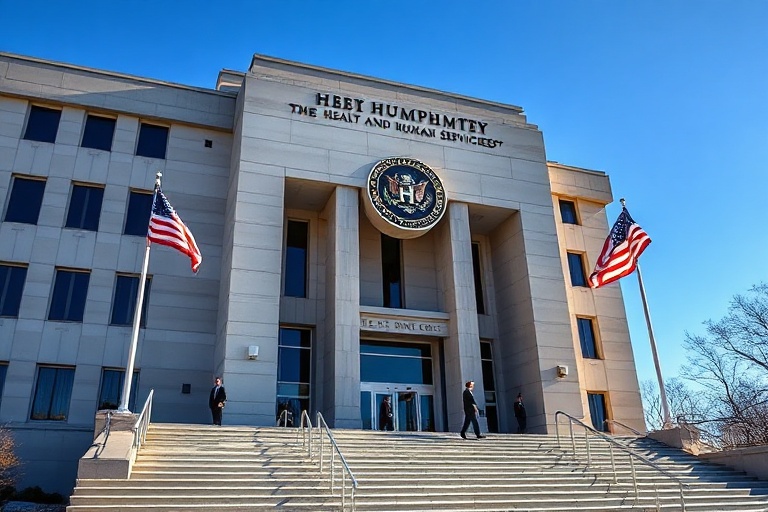
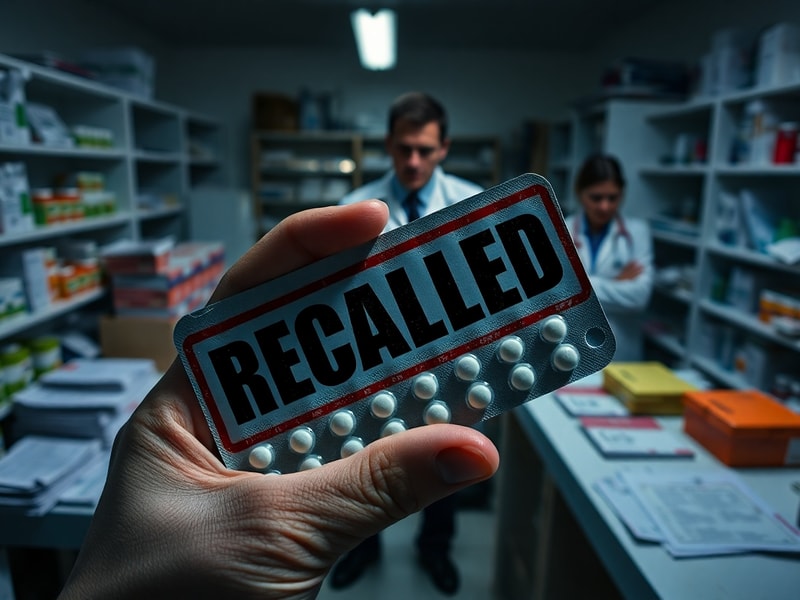
A drug recall occurs when a pharmaceutical product is removed from the market due to potential safety hazards, manufacturing defects, or regulatory violations. These recalls can range from voluntary actions by manufacturers to mandatory orders issued by government agencies such as the U.S. Food and Drug Administration (FDA) or the European Medicines Agency (EMA).
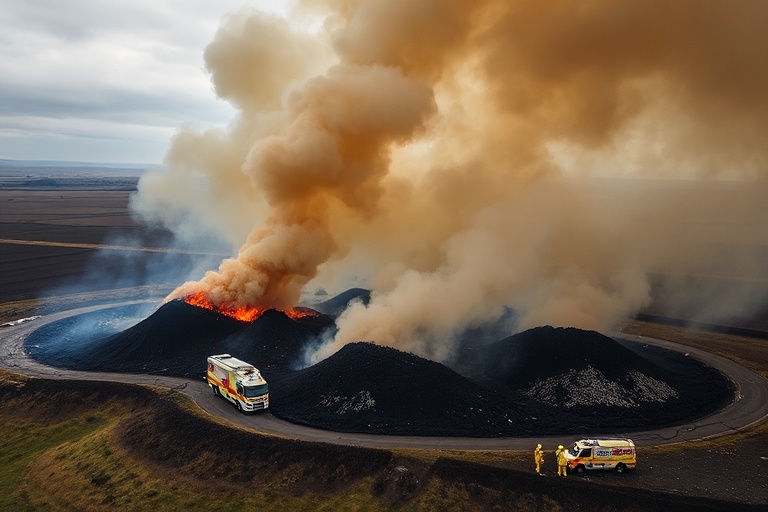
The reasons behind a recall are often categorized into three primary types: contamination, mislabeling, and adverse reactions. Contamination might involve foreign substances like glass particles or bacteria, while mislabeling could mean incorrect dosage information or missing warnings. Adverse reactions, though less predictable, can lead to severe health consequences for patients.
In 2022 alone, the FDA reported over 100 drug recalls in the United States, affecting everything from over-the-counter pain relievers to critical chemotherapy drugs. Globally, the scale is even larger, with countries like India and China frequently issuing recalls for drugs exported worldwide. The interconnected nature of pharmaceutical supply chains means a recall in one region can have ripple effects across continents.
The Global Impact of Drug Recalls
Drug recalls don’t just pose health risks—they disrupt economies and strain healthcare systems. For patients relying on specific medications, a recall can mean immediate withdrawal symptoms or long-term health complications. Hospitals and pharmacies scramble to find alternatives, often leading to shortages that compromise patient care.
Consider the 2021 recall of several metformin products in the U.S. due to elevated levels of a probable carcinogen. Metformin is a first-line treatment for diabetes, a condition affecting over 460 million people worldwide. The recall forced patients to switch to alternative medications, some of which were less effective or more expensive. In developing nations, where access to healthcare is already limited, such disruptions can be catastrophic.
Economically, recalls trigger financial losses for pharmaceutical companies. The cost of pulling a drug from the market, compensating affected patients, and implementing corrective measures can run into millions. Pfizer, for instance, faced a $30 million fine in 2020 after failing to properly investigate complaints about a recalled painkiller. Beyond fines, the reputational damage can linger for years, eroding consumer trust.
How Recalls Are Managed Across Different Countries
Regulatory approaches to drug recalls vary significantly around the world. In the U.S., the FDA classifies recalls into three classes based on severity:
- Class I: A situation where there is a reasonable probability that the use of the product will cause serious adverse health consequences or death.
- Class II: A situation where use of the product may cause temporary or medically reversible adverse health consequences.
- Class III: A situation where use of the product is not likely to cause adverse health consequences.
In contrast, the European Union follows a more centralized system through the EMA, which coordinates recalls across member states. The EU’s approach prioritizes rapid communication and cross-border collaboration, ensuring that recalls are implemented uniformly. In Japan, the Pharmaceuticals and Medical Devices Agency (PMDA) operates with a strong emphasis on post-market surveillance, conducting routine inspections to preempt recalls before they occur.
Developing countries often face challenges due to weaker regulatory frameworks. In Nigeria, for example, the National Agency for Food and Drug Administration and Control (NAFDAC) has struggled with limited resources to monitor drug quality effectively. This gap has led to incidents where counterfeit or substandard drugs enter the market, exacerbating public health crises. International organizations like the World Health Organization (WHO) play a crucial role in bridging these gaps by providing technical support and setting global standards.
The Human Cost: Stories Behind the Recalls
Behind every drug recall is a human story—patients who trusted their medications, only to face unexpected harm. Take the case of Valsartan, a blood pressure medication recalled in 2018 due to traces of a probable carcinogen. Patients like Maria Gonzalez, a 65-year-old retiree in California, had been taking Valsartan for years before learning about the recall. Forced to switch to a more expensive alternative, she faced financial strain and anxiety about her long-term health.
In India, the 2019 recall of a popular cough syrup contaminated with a toxic solvent highlighted the vulnerabilities in the country’s pharmaceutical industry. The syrup, manufactured by a local company, was linked to the deaths of at least 12 children. The tragedy underscored the need for stricter enforcement of manufacturing standards and greater transparency in reporting adverse events.
These stories are not isolated. They reflect a broader pattern where systemic failures—whether in regulation, manufacturing, or supply chain management—lead to preventable harm. The emotional and financial toll on patients and their families is immeasurable, often leaving lasting scars long after the recall is resolved.
Lessons Learned and Moving Forward
The frequency of drug recalls raises critical questions about the pharmaceutical industry’s accountability. One of the most pressing issues is the lack of standardized global regulations. While agencies like the FDA and EMA have robust systems in place, many countries lack the infrastructure to enforce similar standards. The result is a patchwork of safety measures that leave patients in some regions more vulnerable than others.
Technological advancements offer promising solutions. Blockchain, for instance, is being explored to track pharmaceutical supply chains in real time, reducing the risk of contamination or counterfeit drugs. Artificial intelligence is also being leveraged to predict potential recalls by analyzing data from clinical trials and post-market surveillance. These innovations could revolutionize how the industry approaches drug safety.
For consumers, staying informed is key. Websites like Dave’s Locker Health provide updates on recalls and safety alerts, empowering patients to make informed decisions about their medications. Advocacy groups are also pushing for greater transparency, demanding that pharmaceutical companies disclose recall reasons and corrective actions promptly.
The road ahead requires a collective effort—from regulators and manufacturers to healthcare providers and patients. Drug recalls are not just a regulatory issue; they are a human one. By addressing the root causes and fostering a culture of accountability, the industry can move toward a future where medication safety is a universal priority.