Idaho’s Department of Fish and Game (IDFG) stands as a cornerstone of the state’s commitment to preserving its rich natural heritage. With vast wilderness areas, pristine rivers, and diverse wildlife populations, Idaho offers unparalleled opportunities for hunting, fishing, and outdoor recreation. The agency’s work extends far beyond regulation enforcement, encompassing habitat restoration, species recovery, and public education. Understanding the role of IDFG is essential for residents and visitors alike who seek to engage with Idaho’s wild landscapes responsibly.
The department’s mission is straightforward yet ambitious: to protect, maintain, and enhance Idaho’s fish and wildlife resources while providing sustainable recreational opportunities. This dual focus requires careful management of game species, enforcement of ethical hunting and fishing practices, and collaboration with landowners, conservation groups, and scientific researchers. The challenges are significant, but IDFG’s strategies reflect a balance between conservation imperatives and the cultural traditions deeply rooted in Idaho’s identity.
Hunting Regulations and Seasonal Opportunities
Idaho’s hunting seasons are meticulously structured to ensure healthy wildlife populations while accommodating hunter demand. Big game species like elk, deer, and moose attract thousands of hunters annually, with seasons typically divided into archery, rifle, and muzzleloader periods. Each year, IDFG publishes detailed season frameworks that outline bag limits, weapon restrictions, and area-specific regulations. These guidelines are not arbitrary; they are informed by population data, habitat conditions, and long-term conservation goals.
For example, the general elk season in most regions runs from late August through December, but specific hunt types—such as controlled hunts for antlerless elk—may occur earlier or later depending on regional herd management objectives. The hunting category on Dave’s Locker provides hunters with up-to-date season dates, draw results, and harvest reports that help them plan their pursuits effectively. Additionally, IDFG offers a variety of controlled hunts through a lottery system, ensuring fair access to areas with limited permits.
Small game and upland bird hunting also play a vital role in Idaho’s outdoor culture. Species like chukar, Hungarian partridge, and pheasant are pursued across the state’s open landscapes, with seasons that often coincide with fall harvests. Waterfowl hunters flock to Idaho’s wetlands, particularly in the Kootenai and Bear River valleys, where migratory routes intersect. IDFG’s waterfowl regulations align with federal frameworks but include additional restrictions to protect local populations. The department’s annual waterfowl forecasts, based on breeding population surveys, offer hunters a glimpse into the season’s potential before heading afield.
Key Hunting Regulations to Remember
- Licensing Requirements: All hunters must possess a valid Idaho hunting license, which can be purchased online through the IDFG website or from authorized vendors. Non-residents face higher fees but gain access to the same opportunities.
- Harvest Reporting: Hunters are required to report their harvest within 48 hours for many big game species. This data is critical for IDFG’s population modeling and future season setting.
- Weapon Restrictions: Idaho allows modern rifles, muzzleloaders, and archery equipment during appropriate seasons. Some areas, particularly near urban interfaces, have additional restrictions to enhance safety.
- Ethical Practices: IDFG emphasizes fair chase principles and encourages hunters to take only ethical shots. Wounded game must be retrieved, and hunters should strive to minimize suffering.
Fishing Opportunities and Aquatic Management
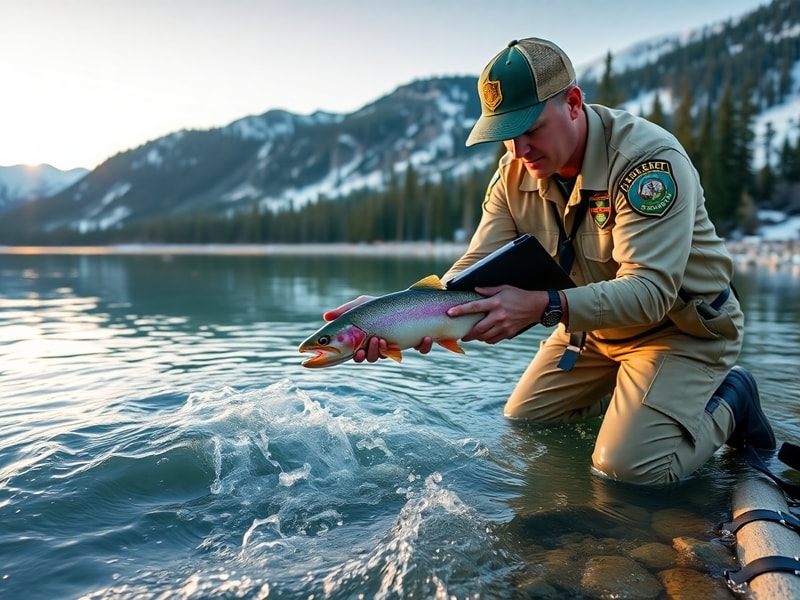
Idaho’s reputation as a fishing paradise is well-earned, thanks to its thousands of miles of rivers, pristine alpine lakes, and world-class trout streams. The state is perhaps best known for its cutthroat and rainbow trout fisheries, particularly in the Clearwater, Salmon, and Henry’s Fork systems. IDFG’s fisheries biologists work tirelessly to maintain these resources through stocking programs, habitat restoration, and invasive species control. Anglers visiting Idaho can expect to encounter everything from native bull trout in remote headwaters to aggressive smallmouth bass in the lower Snake River.
Each year, IDFG publishes the Fishing Planner, a comprehensive guide that details season dates, catch limits, and special regulations for specific waters. For instance, the famed Henry’s Fork of the Snake River operates under a catch-and-release regulation for rainbow trout during much of the season, a measure designed to protect the trophy fishery. Meanwhile, the South Fork of the Boise River allows harvest but mandates the use of barbless hooks to reduce injury to released fish. The fishing section on Dave’s Locker offers real-time reports on water conditions, hatch reports, and angler success stories that help visitors plan their trips.
Ice fishing is another popular pursuit in Idaho, particularly in the northern regions where lakes freeze over during winter. Species like perch, crappie, and burbot provide action through the ice, with some areas hosting derbies that draw crowds. IDFG monitors ice thickness and sets safety guidelines to prevent accidents, emphasizing the importance of checking conditions before venturing onto frozen waters.
Conservation Challenges in Idaho’s Fisheries
- Invasive Species: Idaho’s fisheries face threats from non-native species like lake trout in Priest Lake and smallmouth bass in the upper Snake River. These predators disrupt native ecosystems and often require aggressive management, including targeted removals.
- Habitat Degradation: Urbanization, agriculture, and climate change impact water quality and flow regimes. IDFG partners with organizations like Trout Unlimited to restore riparian zones and improve stream connectivity.
- Climate Impacts: Warmer temperatures and reduced snowpack affect cold-water species. Biologists are experimenting with selective breeding programs to develop heat-tolerant trout strains.
- Angler Education: IDFG promotes catch-and-release practices and proper fish handling techniques to ensure sustainability. Educational programs target both youth and adult anglers to foster a conservation-minded fishing community.
Wildlife Management and Habitat Conservation
Beyond hunting and fishing, IDFG plays a pivotal role in managing Idaho’s diverse wildlife, from grizzly bears in the Selway-Bitterroot Wilderness to sage-grouse on the high desert plains. The agency’s wildlife management plans are data-driven, incorporating population surveys, habitat assessments, and public input. One of the most visible efforts in recent years has been the recovery of the gray wolf, which was reintroduced in the 1990s and has since expanded across the state. While wolves remain a contentious issue among stakeholders, IDFG’s adaptive management approach seeks to balance predator conservation with the needs of livestock producers and big game hunters.
Habitat conservation is another critical focus. IDFG collaborates with federal agencies, private landowners, and conservation nonprofits to protect and restore ecosystems. Projects range from prescribed burns in the ponderosa pine forests of central Idaho to wetland enhancements in the Camas Prairie. These efforts benefit not only game species but also non-game wildlife, including songbirds, bats, and pollinators. The department’s habitat programs are often funded through grants and partnerships, demonstrating how conservation can align with economic development.
Public engagement is a cornerstone of IDFG’s strategy. The agency hosts workshops, webinars, and field days to educate landowners on wildlife-friendly practices, such as leaving standing dead trees for cavity-nesting birds or installing bat boxes. Schools across Idaho participate in the Wildlife Education Program, which teaches students about ecology, conservation, and ethical outdoor recreation. These initiatives help foster a new generation of conservationists who understand the importance of stewardship.
The Future of Idaho Fish and Game
Looking ahead, IDFG faces a complex landscape of challenges and opportunities. Climate change looms large, with shifting precipitation patterns and rising temperatures reshaping habitats. The agency is investing in research to understand these changes and develop adaptive strategies. For example, biologists are studying the potential for assisted migration of cold-water fish species to higher elevations as streams warm. Meanwhile, the ongoing debate over wolf management continues to test the agency’s ability to balance ecological goals with social values.
Technology is playing an increasingly important role in IDFG’s work. Satellite imagery and GPS tracking enable more precise population estimates, while drones assist in habitat mapping and wildfire monitoring. The department has also embraced digital tools for public engagement, such as interactive maps on its website that allow users to explore hunting and fishing opportunities by region. These innovations enhance transparency and accessibility, ensuring that Idaho’s outdoor enthusiasts remain informed and involved.
Community partnerships will be essential in addressing future challenges. IDFG’s collaboration with tribes, such as the Nez Perce and Shoshone-Bannock, reflects a growing recognition of Indigenous knowledge in wildlife management. Joint projects, like salmonid restoration in the Clearwater Basin, highlight the benefits of shared stewardship. As Idaho’s population grows and development pressures increase, these alliances will be critical in preserving the state’s wild character.
How You Can Support Idaho Fish and Game
- Purchase a License: Revenue from hunting and fishing licenses directly funds conservation programs. Non-hunters and non-anglers can contribute through the Idaho Wildlife Diversity Fund.
- Volunteer: IDFG relies on volunteers for habitat restoration, educational events, and citizen science projects like bird surveys.
- Report Violations: Ethical hunters and anglers play a role in enforcement by reporting poaching or illegal activities to the IDFG’s Turn In Poachers (TIP) hotline.
- Advocate for Conservation: Attend public hearings, join conservation organizations, and support policies that prioritize wildlife and habitat protection.
Conclusion
Idaho Fish and Game stands at the intersection of tradition and innovation, tasked with preserving the state’s natural legacy while meeting the evolving needs of its residents and visitors. The agency’s work is a testament to the power of science-based management and collaborative conservation. Whether through the careful regulation of hunting seasons, the restoration of degraded habitats, or the education of future generations, IDFG ensures that Idaho’s wild landscapes remain vibrant and accessible.
For those who venture into Idaho’s backcountry, the rewards are clear: the thrill of a well-placed elk bugle, the quiet focus of a dry-fly presentation on the Henry’s Fork, or the simple joy of