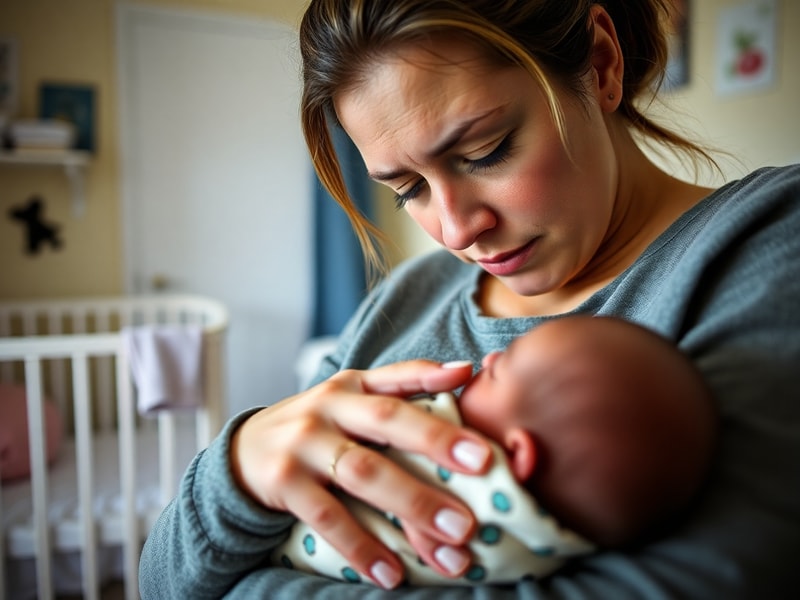
The maternal instinct documentary genre has evolved significantly over the past decade, moving beyond traditional family portraits into deeper explorations of biology, psychology, and societal pressures. These films now serve as both intimate character studies and broader commentaries on modern motherhood. Recent releases have pushed boundaries by integrating scientific research with raw personal narratives, offering viewers a layered understanding of what drives maternal behavior.
While earlier documentaries often focused on idealized motherhood, today’s offerings confront the complexities of the experience. They examine the neurological rewiring during pregnancy, the emotional toll of postpartum adjustment, and the societal expectations that shape a mother’s identity. This shift reflects growing public interest in evidence-based parenting advice and the normalization of candid discussions about the challenges of raising children.
The Evolution of Maternal Documentaries
Early maternal instinct documentaries primarily documented the day-to-day lives of mothers, often portraying an almost mythical connection between parent and child. These films, while heartwarming, rarely addressed the struggles behind the smiles. Over time, filmmakers began incorporating interviews with psychologists, neuroscientists, and anthropologists to contextualize maternal behaviors within scientific frameworks.
Recent titles have embraced a more interdisciplinary approach. For example, Brain Mothers, released in 2023, combines MRI scans of new mothers’ brains with first-person accounts of postpartum depression. The documentary illustrates how hormonal changes create both euphoric bonding experiences and debilitating mental health challenges. This blend of hard science and human storytelling has redefined the genre, making it more relevant to both academic and general audiences.
The rise of streaming platforms has further democratized access to these films. Platforms like Netflix and Hulu have hosted maternal instinct documentaries that reach millions, sparking conversations about policies such as paid parental leave and workplace accommodations for nursing mothers. The accessibility of these films has also encouraged more women to share their unfiltered stories, contributing to a richer, more diverse body of work.
Key Themes Explored in Modern Maternal Instinct Documentaries
Contemporary maternal instinct documentaries tackle a range of themes, often challenging societal norms and biological assumptions. Below are some of the most frequently explored topics in recent films:
- Neurobiology of Motherhood: Documentaries now feature experts explaining how pregnancy permanently alters brain structure, enhancing emotional attunement to infants while sometimes impairing cognitive function in other areas.
- Cultural Variations in Maternal Practices: Filmmakers highlight how different cultures define and support motherhood, from communal child-rearing in some African communities to the isolation often experienced in Western nuclear families.
- The Pressure of Perfection: Many documentaries dissect the unrealistic standards propagated by social media, where curated images of motherhood clash with the messy reality of parenting.
- Postpartum Health as a Medical Crisis: Recent films emphasize the medical urgency of conditions like postpartum hemorrhage and postpartum psychosis, which remain under-discussed despite their severity.
- Environmental Influences on Motherhood: Some documentaries explore how pollution, climate change, and economic instability impact maternal health and child development.
The Role of Science in Shaping Narrative
One of the most compelling aspects of modern maternal instinct documentaries is their integration of scientific research. Filmmakers collaborate with universities, hospitals, and research institutions to ground their narratives in verifiable data. This approach not only lends credibility to the films but also educates viewers about the biological and psychological underpinnings of maternal instinct.
For instance, First Nourishment, a 2022 documentary, follows lactation consultants working in underserved communities. The film cites studies showing how breastfeeding correlates with lower rates of postpartum depression and improved infant immune responses. By pairing these findings with personal stories, the documentary underscores the importance of equitable healthcare access for new mothers.
Another example is The Maternal Gap, which examines the “maternal wall” phenomenon—the bias women face in the workplace after becoming mothers. The film references research from Harvard Business School demonstrating how mothers are perceived as less competent than fathers, even when their performance metrics are identical. This scientific framing elevates the documentary from a personal story to a call for systemic change.
While the inclusion of science enhances these documentaries, it also presents challenges. Filmmakers must balance technical explanations with emotional resonance, ensuring that data serves the story rather than overshadowing it. The best films achieve this by weaving research seamlessly into the narrative, using experts not as talking heads but as integral parts of the storytelling process.
Broader Implications and Societal Impact
The influence of maternal instinct documentaries extends beyond the screen. These films have contributed to policy shifts, public health initiatives, and cultural conversations. For example, After Birth, a 2021 documentary about the fourth trimester, led to increased funding for postpartum home visits in several U.S. states. The film’s portrayal of mothers struggling in silence resonated with legislators, prompting bipartisan support for extended maternal care programs.
In the corporate world, companies like Patagonia and Microsoft have cited maternal instinct documentaries as inspiration for revamping their parental leave policies. These films have also fueled grassroots movements advocating for better maternal mental health resources, pushing organizations like the World Health Organization to prioritize maternal well-being in global health agendas.
Culturally, these documentaries have challenged the stigma surrounding topics like miscarriage, infertility, and single motherhood. By normalizing these experiences, they’ve fostered more inclusive conversations about family structures and the diverse ways motherhood can be defined. This shift is particularly significant in societies where traditional family models have long dominated public discourse.
However, the genre is not without its critics. Some argue that maternal instinct documentaries often focus disproportionately on biological mothers, sidelining adoptive parents, fathers, and other caregivers who play equally vital roles. Others point out that the emphasis on “instinct” can inadvertently reinforce gender stereotypes, suggesting that nurturing is an innate female trait rather than a learned and practiced skill.
These critiques highlight the need for continued evolution in the genre. Future documentaries might explore the concept of “parental instinct” more broadly, or they could delve deeper into the intersections of race, class, and maternal experience. The most effective films will continue to balance personal stories with systemic analysis, ensuring that their impact is both emotional and actionable.
Conclusion: Why These Documentaries Matter
Maternal instinct documentaries have transformed from simple family portraits into powerful tools for education, advocacy, and cultural change. By merging science with storytelling, they offer viewers a nuanced understanding of motherhood that transcends clichés and embraces complexity. These films do more than entertain; they inform, challenge, and inspire action.
As society continues to grapple with issues like maternal mortality, workplace equity, and mental health, the role of these documentaries will only grow more critical. They provide a platform for voices that are often marginalized, while also holding institutions accountable for their support—or lack thereof—of mothers and caregivers. In doing so, they contribute to a broader movement toward a more equitable and compassionate world.
For anyone seeking to understand the multifaceted nature of motherhood, these films are an essential starting point. They remind us that maternal instinct is not a monolith but a spectrum of experiences shaped by biology, culture, and personal circumstance. And perhaps most importantly, they validate the struggles and triumphs of mothers everywhere, offering both recognition and solidarity.
As the genre evolves, one thing is clear: the best maternal instinct documentaries will continue to challenge, educate, and connect audiences around the world.
Explore more thought-provoking content on Trending topics and dive deeper into cultural analysis on Culture.