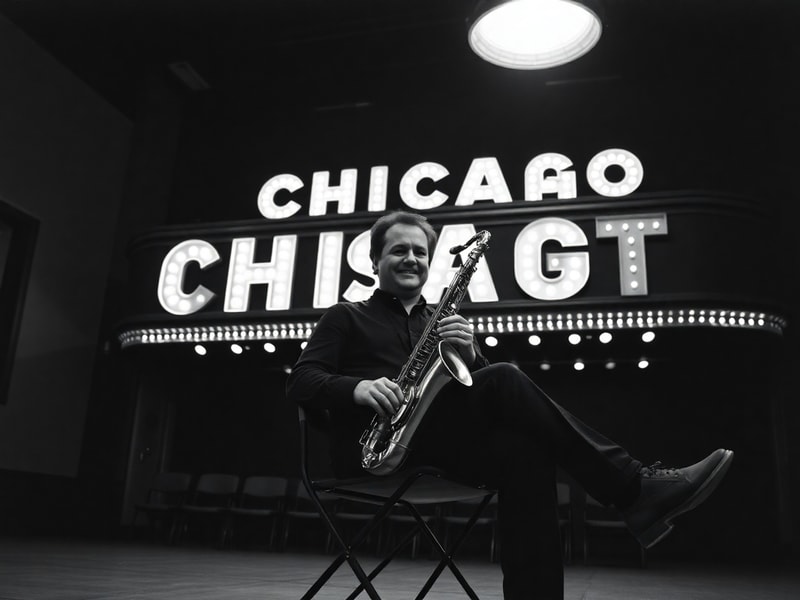
Walter Parazaider, the founding saxophonist of the legendary rock band Chicago, passed away on July 26, 2024, leaving behind a legacy that reshaped the boundaries of rock, jazz, and pop music. His technical mastery of the saxophone, combined with his ability to blend classical precision with raw emotional expression, made him a pivotal figure in one of the most distinctive bands of the 20th century. Parazaider wasn’t just a sideman; he was a co-founder whose vision helped create Chicago’s horn-driven sound, a fusion that became the band’s trademark.
The Early Years: From Chicago Roots to Musical Ambition
Born on March 14, 1945, in Chicago, Illinois, Walter Parazaider grew up in a city steeped in jazz, blues, and soul music. His father, a professional musician, played clarinet and exposed young Walter to the intricacies of woodwind instruments. By age 10, Parazaider was studying clarinet at the prestigious Chicago Musical College, where he developed a disciplined approach to music that would define his career. His early influences included jazz legends like Charlie Parker and John Coltrane, but it was the rock and R&B scenes of the 1960s that ultimately shaped his artistic direction.
In high school, Parazaider met future Chicago bandmates Robert Lamm and James Pankow, forming a musical bond that would last for decades. The trio shared a vision of creating music that merged rock energy with jazz sophistication—a concept that was revolutionary at the time. After briefly attending DePaul University to study music education, Parazaider decided to pursue a career in performance, joining the Chicago Symphony Orchestra’s training program. His classical training provided a technical foundation that elevated Chicago’s sound far beyond typical rock bands of the era.
Founding Chicago: The Birth of a Horn-Driven Revolution
In 1967, Parazaider, Lamm, Pankow, and drummer Danny Seraphine officially formed Chicago Transit Authority, later shortened to Chicago. The band’s lineup expanded to include a horn section, a rarity in rock music at the time. Parazaider’s role as the lead saxophonist was crucial—not only did he anchor the horn arrangements, but he also contributed as a vocalist and multi-instrumentalist. His playing on early hits like 25 or 6 to 4 and Make Me Smile showcased his ability to weave intricate solos into rock structures without sacrificing melodic cohesion.
The band’s self-titled debut album, released in 1969, became an instant classic, selling over a million copies and earning a Grammy nomination. Parazaider’s saxophone work on tracks like Does Anybody Really Know What Time It Is? became iconic, blending jazz improvisation with rock rhythms in a way that felt both sophisticated and accessible. His ability to balance technical precision with emotional depth set him apart from peers in both the rock and jazz worlds.
- Key Contributions to Chicago’s Sound:
- Pioneered the use of a horn section in rock music, influencing bands like Blood, Sweat & Tears and Chicago’s own later works.
- Co-wrote some of the band’s most enduring songs, including Beginnings and Colour My World.
- Provided vocal harmonies that enriched the band’s layered sound, particularly on ballads and mid-tempo tracks.
- His saxophone solos became a signature element, often serving as the emotional climax of Chicago’s songs.
Musical Style and Influence: Bridging Genres with Elegance
Parazaider’s playing style was a study in contrasts: disciplined yet expressive, technical yet soulful. He approached the saxophone with the rigor of a classical musician but infused his solos with the spontaneity of jazz. This duality was evident in his work on Chicago’s 1970 album Chicago II, where his saxophone on 25 or 6 to 4 and West Virginia Fantasies demonstrated his ability to navigate complex time signatures while maintaining melodic flow.
Beyond his instrumental work, Parazaider’s arrangements were a cornerstone of Chicago’s sound. He collaborated closely with trombonist James Pankow to craft horn parts that complemented the band’s rock rhythms, creating a signature wall of sound that became Chicago’s hallmark. His work on the 1976 hit If You Leave Me Now—where he played flute instead of saxophone—showcased his versatility and willingness to adapt to the song’s emotional needs.
Parazaider’s influence extended beyond Chicago. His approach to blending genres inspired a generation of musicians, from progressive rock bands like Yes to jazz-fusion acts like Spyro Gyra. Even today, his solos on classic tracks remain a benchmark for saxophonists seeking to merge technical skill with rock energy.
Life Beyond the Band: Family, Health, and Legacy
Despite his public persona as a disciplined musician, Parazaider was known for his warmth and humor among bandmates and fans alike. He married his wife, Mary, in 1970, and the couple had two children. Away from the spotlight, Parazaider was an avid golfer and a devoted fan of the Chicago Cubs, often incorporating his love for the team into band banter during tours.
In the late 1970s, Parazaider began experiencing health issues, including a battle with bladder cancer that he publicly addressed in the 2000s. His openness about his health struggles endeared him to fans, who admired his resilience. Despite these challenges, he continued performing with Chicago until his retirement in 2021, marking nearly five decades with the band. His final performance with the group was in 2019, a testament to his enduring passion for music.
Parazaider’s passing in 2024 left a void in the music world, but his legacy endures through the timeless recordings he helped create. Chicago’s music remains a staple of classic rock radio, and his saxophone solos continue to inspire new generations of musicians. In 2016, the band was inducted into the Rock & Roll Hall of Fame, a recognition of their cultural impact—and Parazaider’s role in shaping it.
For those looking to explore Chicago’s discography, albums like Chicago Transit Authority (1969), Chicago III (1971), and Chicago V (1972) offer a deep dive into Parazaider’s contributions. His work on these records remains a masterclass in blending rock, jazz, and pop into a cohesive sound.
To learn more about the evolution of rock bands that incorporated horn sections, visit our Music History category. For a deeper look at the jazz influences that shaped Parazaider’s playing, check out our Jazz archives.
Conclusion: A Legacy of Innovation and Passion
Walter Parazaider was more than just a saxophonist; he was a pioneer who helped redefine what rock music could sound like. His ability to merge classical discipline with rock energy created a blueprint for bands that followed, proving that genre boundaries were meant to be crossed. Through his work with Chicago, he left an indelible mark on music history, one that continues to resonate with listeners and musicians alike.
As we reflect on his contributions, it’s clear that Parazaider’s legacy is not just in the notes he played but in the emotions he evoked. His music remains a bridge between generations, a reminder of the power of innovation and the enduring appeal of great artistry. For those who grew up with Chicago’s hits, his passing is a moment to revisit the songs that defined their youth. For younger listeners, his work offers a masterclass in musical fusion and creativity.
Walter Parazaider’s story is a testament to the transformative power of music. It’s a reminder that true artistry isn’t confined by genre or convention—it’s about pushing boundaries, taking risks, and leaving a mark that lasts long after the final note fades.