<!DOCTYPE html>
<html lang="en">
<head>
    <meta charset="UTF-8">
    <meta name="viewport" content="width=device-width, initial-scale=1.0">
    <title>Ascot Races: Where Tradition Meets Modern Glamour</title>
</head>
<body>
    <article>
        <h2>Ascot Through the Ages</h2>
        <p>Few sporting events carry the weight of history as heavily as Ascot Racecourse. Founded in 1711 by Queen Anne, this Berkshire venue has evolved from a royal pastime into a global symbol of equestrian excellence and high society. The track’s first recorded race took place on August 11, 1711, and the course’s reputation grew alongside the British Empire. Today, Ascot remains one of the most prestigious stops on the international racing calendar, hosting some of the sport’s most anticipated events.</p>

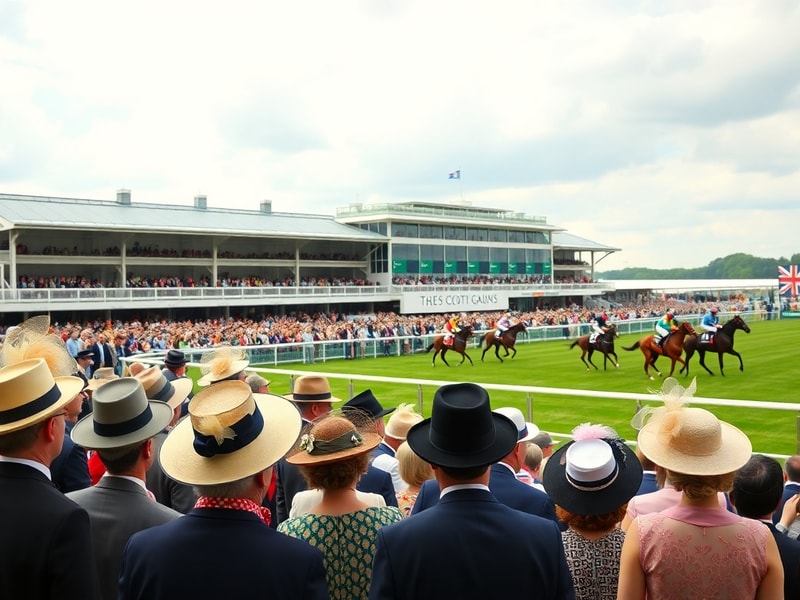
        <p>What began as a private entertainment for British monarchs now draws over 300,000 visitors annually. The Royal Meeting, held each June, is the centerpiece of the season, featuring the Gold Cup, the Diamond Jubilee Stakes, and the Coronation Stakes. These races are not merely sporting contests; they are living traditions that blend centuries-old rituals with contemporary flair. The Royal Enclosure’s strict dress code, for instance, preserves the event’s aristocratic roots while allowing modern fashion to flourish in creative ways.</p>

        <h3>The Modern Ascot Experience</h3>
        <p>The transformation of Ascot over the past three decades has been remarkable. The £260 million redevelopment completed in 2006 redefined the spectator experience, introducing contemporary architecture without compromising the venue’s heritage. The new grandstand, designed by Populous, offers unobstructed views of the track while incorporating state-of-the-art facilities. This blend of old and new reflects Ascot’s ability to honor its past while embracing the future.</p>

        <p>Attendees today encounter an event that is as much about spectacle as it is about sport. The fashion parade alone draws as much attention as the racing itself, with attendees spending months curating their outfits. Social media has amplified this aspect, turning Ascot into a global fashion showcase. Instagram feeds and TikTok reels from the event regularly trend worldwide, proving that Ascot’s allure extends far beyond the United Kingdom.</p>

        <p>For those seeking a deeper understanding of the sport, Ascot offers guided tours that delve into its storied past. Visitors can explore the Royal Box, walk the parade ring, and even stand in the winner’s enclosure. These experiences provide context for the races themselves, revealing how Ascot has maintained its relevance across centuries. The track’s ability to balance tradition with innovation is perhaps its greatest strength.</p>

        <h3>Racing at the Highest Level</h3>
        <p>Ascot’s reputation rests firmly on the quality of its races. The track is unique in that it hosts both flat racing and National Hunt events, making it one of the few venues to cater to multiple disciplines. The Royal Ascot meeting alone features 36 races spread over five days, each with its own historical significance and competitive depth.</p>

        <p>The Gold Cup, first run in 1807, remains the blue-ribbon event of the summer season. This marathon test of stamina over two miles and four furlongs has seen legends like Yeats and Estimate claim victory. Meanwhile, the Diamond Jubilee Stakes, named in honor of Queen Elizabeth II’s Diamond Jubilee, showcases the world’s fastest sprinters over six furlongs. These races attract the finest horses, jockeys, and trainers from Europe and beyond.</p>

        <p>Ascot’s global appeal is evident in the diversity of its participants. Horses from Ireland, France, and the United States regularly compete, and trainers like Aidan O’Brien and Charlie Appleby have made the journey to Berkshire a yearly tradition. The track’s undulating terrain and stiff final furlong challenge even the most seasoned competitors, ensuring that Ascot remains a true test of equine ability.</p>

        <h3>A Cultural Phenomenon Beyond the Track</h3>
        <p>While the racing is undeniably the main attraction, Ascot’s cultural significance cannot be overstated. The event has become a microcosm of British society, where class, fashion, and sport intersect in unexpected ways. The Royal Enclosure, with its invitation-only policy, remains the most exclusive area, while the Silver Ring offers a more accessible experience for the general public. This hierarchy reflects both the event’s history and its adaptability.</p>

        <p>Food and drink play a crucial role in the Ascot experience. The track’s culinary offerings range from champagne bars to traditional British pies, catering to every palate. The Berkshire Pig, a local delicacy, is a staple at many hospitality suites, while international visitors often seek out global cuisines. This fusion of local and global flavors mirrors Ascot’s broader appeal.</p>

        <p>The event’s cultural footprint extends beyond the racecourse. Ascot has inspired literature, film, and even music. P.G. Wodehouse’s Jeeves novels frequently reference the event, while the 2011 film <em>My Week with Marilyn</em> features a pivotal scene set at Ascot. The track’s influence on popular culture underscores its status as more than just a sporting venue—it is a symbol of British identity.</p>

        <h3>How to Experience Ascot Today</h3>
        <p>For those planning a visit, Ascot offers multiple ways to engage with the event. Tickets are available for individual days or the entire meeting, with prices ranging from £25 for general admission to £1,000 for the most exclusive packages. The track’s website provides detailed information on seating, dress codes, and transportation options. Advance booking is highly recommended, as the most popular days sell out quickly.</p>

        <p>Beyond the Royal Meeting, Ascot hosts several other major events throughout the year, including the King George VI and Queen Elizabeth Stakes in July and the British Champions Day in October. These fixtures ensure that the track remains a year-round destination for racing enthusiasts.</p>

        <p>For those unable to attend in person, Ascot’s partnership with racing broadcasters ensures that fans worldwide can follow the action. The BBC’s coverage of Royal Ascot is a staple of British summer television, while international networks bring the excitement to global audiences. The track’s official app also provides real-time updates, race replays, and exclusive content.</p>

        <p>Whether you’re a seasoned racing fan or a first-time visitor, Ascot offers an experience unlike any other. It is a place where history is felt in every corner, where fashion becomes art, and where the thrill of competition is matched only by the joy of tradition. As the world continues to change, Ascot remains a constant—a reminder of the enduring power of sport, culture, and community.</p>
    </article>

    <!-- Relevant Internal Links -->
    <section>
        <h3>Related Coverage</h3>
        <ul>
            <li><a href="/category/sports/">Explore more on the world of sports</a> where tradition and modernity collide.</li>
            <li><a href="/category/entertainment/">Discover how major sporting events shape culture</a> through fashion, film, and literature.</li>
        </ul>
    </section>

    <!-- Metadata Section -->