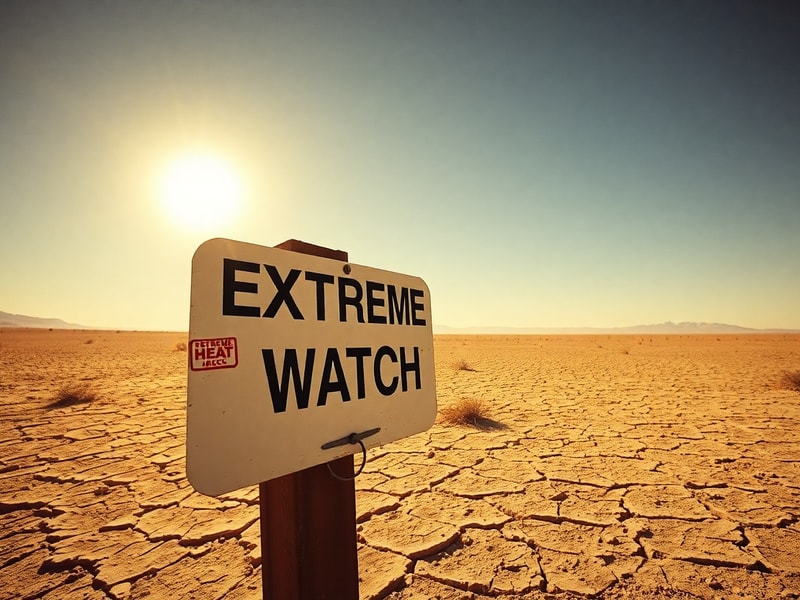
Extreme Heat Watch: What You Need to Know Before It’s Too Late
Extreme heat watches are becoming a more frequent alert across the country, signaling dangerously high temperatures that can disrupt daily life and threaten public health. These watches are issued by the National Weather Service when conditions are favorable for extreme heat to develop within the next 24 to 72 hours. Unlike heat advisories or warnings, which indicate imminent danger, watches serve as an early heads-up to prepare for potentially life-threatening conditions.
What makes extreme heat watches particularly challenging is their timing. They often arrive before the peak of summer heat, catching communities off guard as they transition from mild weather to dangerous conditions. This unpredictability forces local governments, businesses, and residents to act quickly—securing cooling centers, adjusting outdoor schedules, and checking on vulnerable neighbors. The consequences of ignoring these alerts can be severe, especially for those without access to air conditioning or reliable transportation.
Why extreme heat watches matter beyond the immediate forecast
Extreme heat doesn’t just affect comfort—it directly impacts infrastructure, public health, and economic stability. Power grids strain under increased demand for cooling, leading to blackouts that can last for days. Hospitals see a surge in heat-related illnesses, including heat exhaustion and heat stroke, which can overwhelm emergency services. Meanwhile, outdoor workers face heightened risks of dehydration and heat-related injuries, forcing some employers to adjust labor practices or halt operations entirely.
These watches also serve as a barometer for broader climate trends. As global temperatures rise, extreme heat events are becoming more frequent, intense, and prolonged. A study by the First Street Foundation found that over 8 million Americans currently live in areas where the heat index will exceed 125°F by 2053—conditions that could make some regions uninhabitable during peak summer months. Extreme heat watches, therefore, aren’t just about the next few days; they’re a glimpse into a future where heat safety becomes a year-round concern.
The science behind the alerts: How watches are determined
Extreme heat watches are issued based on a combination of meteorological data and health risk models. The National Weather Service considers factors like temperature, humidity, wind speed, and overnight lows—all of which contribute to the heat index, or “feels-like” temperature. When the heat index is projected to reach or exceed 105°F for at least two consecutive days, or 110°F for any duration, a watch is typically triggered.
Local heat health action plans also play a role. Cities like Phoenix and Chicago have developed systems that factor in historical heat-related mortality data, socioeconomic vulnerabilities, and urban heat island effects. For example, in Chicago, where the 1995 heat wave killed over 700 people, the city now prioritizes outreach to elderly residents and those living in high-rise buildings without elevators. These tailored approaches help refine when and where watches are issued, ensuring resources are directed to the most at-risk communities.
Technology is also changing how these alerts are communicated. The National Weather Service now uses machine learning to improve the accuracy of heat forecasts, particularly in regions where microclimates create unpredictable conditions. In some areas, automated text alerts and smartphone notifications provide real-time updates, giving residents more time to prepare. Despite these advancements, gaps remain—especially in rural areas where access to weather monitoring tools is limited.
How to prepare when an extreme heat watch is issued
Preparation starts before the watch is even issued. Experts recommend having an emergency kit ready, including water, non-perishable food, batteries, and a portable fan or cooling towel. If you rely on medication that affects heat tolerance, such as diuretics or antihistamines, consult your doctor about adjusting your dosage during extreme heat events. For pet owners, ensure animals have access to shade and fresh water, and avoid walking them on hot pavement, which can cause severe burns.
When a watch is active, take these steps to stay safe:
- Check on vulnerable individuals: Elderly neighbors, infants, and those with chronic illnesses are most susceptible to heat-related illnesses. A quick phone call or in-person visit can make all the difference.
- Adjust your schedule: Reschedule outdoor activities for early morning or evening when temperatures are lower. If you must be outside, take frequent breaks in shaded or air-conditioned areas.
- Stay hydrated: Drink water regularly, even if you don’t feel thirsty. Avoid alcohol and caffeine, which can dehydrate you further.
- Know the signs of heat illness: Symptoms like dizziness, nausea, headache, or muscle cramps require immediate action. Move to a cooler place, sip water, and apply cool, wet cloths to your skin. Seek medical help if symptoms worsen.
- Protect your home: Close blinds and curtains during the day to block out heat. If you don’t have air conditioning, consider visiting a public cooling center or spending time in air-conditioned spaces like libraries or shopping malls.
For those who work outdoors, employers are required by OSHA to provide water, shade, and rest breaks when the heat index exceeds 91°F. If conditions reach dangerous levels, workers have the right to refuse unsafe work without fear of retaliation. Advocacy groups like the National Council on Occupational Safety and Health emphasize that heat safety should never be treated as an optional precaution—it’s a legal and ethical responsibility.
The long-term outlook: Adapting to a hotter future
Extreme heat watches are a temporary solution to a growing problem. As climate change accelerates, cities must invest in long-term strategies to mitigate heat risks. Green infrastructure, such as reflective roofing, urban parks, and permeable pavements, can reduce the urban heat island effect, which makes cities up to 7°F hotter than surrounding areas. Programs like Los Angeles’ Cool Roofs initiative, which offers rebates for reflective roofing materials, have already shown promise in lowering indoor temperatures.
Public health systems are also evolving. Some hospitals now use heat vulnerability mapping to predict where heat-related illnesses will spike, allowing them to deploy mobile clinics in high-risk areas. Meanwhile, community organizations are training volunteers to recognize heat illness symptoms and provide first aid, filling gaps where emergency services are stretched thin.
Yet, the most effective solutions require systemic change. Policies like building energy efficiency standards, expanded access to cooling assistance programs, and workplace heat safety regulations can protect communities before extreme heat becomes unmanageable. Without these measures, extreme heat watches will increasingly serve as warnings of a future where danger is the norm rather than the exception.
As temperatures climb, the question isn’t whether we’ll see more extreme heat watches—it’s whether we’re prepared to act when they arrive. The tools to adapt exist; what’s needed now is the will to use them.