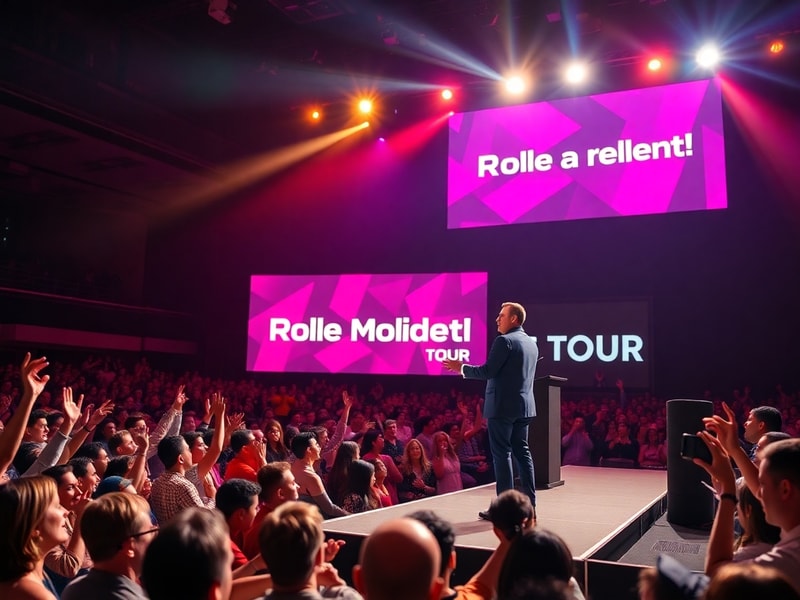
The modern concert tour has evolved from a simple promotional tool into a carefully curated experience designed to shape cultural conversations. Among the latest trends in live entertainment is the Role Model Tour, a concept that merges performance with advocacy, community building, and intentional messaging. Unlike traditional tours that prioritize ticket sales and brand partnerships, these tours are built around artists who use their platform to inspire action and reflection.
Artists behind Role Model Tours often select venues and cities based on their alignment with social or environmental causes. The tour becomes more than a series of shows—it becomes a movement. This shift reflects a broader change in how musicians engage with their audiences, moving toward authenticity and purpose-driven storytelling.
The Origins of Role Model Tours
The Role Model Tour concept gained visibility in the early 2020s, as artists sought to respond to global crises with more than just music. One of the earliest and most influential examples was Billie Eilish’s “Happier Than Ever, The Tour,” which incorporated visuals addressing climate anxiety and mental health. The tour’s stage design featured projections of melting glaciers, and the setlist included a song dedicated to the urgency of climate action.
Similarly, Harry Styles’ “Love On Tour” emphasized inclusivity and self-expression. The tour’s branding included gender-neutral merchandise, and Styles frequently spoke onstage about the importance of mental wellness and LGBTQ+ visibility. These elements transformed the tour from a commercial event into a cultural statement.
Another key influencer was Olivia Rodrigo’s “SOUR Tour,” which resonated with Gen Z audiences by blending raw emotional performances with subtle nods to youth activism. The tour’s visual identity—pastel colors with punk undertones—spoke to a generation navigating identity and resilience.
Key Characteristics of Role Model Tours
Role Model Tours are defined by several recurring features:
- Cause-Integrated Messaging: Artists weave social or environmental themes into lyrics, visuals, or pre-show announcements.
- Community Partnerships: Local nonprofits or grassroots organizations are highlighted during stops, often through on-site activations or donation drives.
- Accessible Pricing: Many tours offer tiered pricing, including low-cost tickets or free community events to ensure broader participation.
- Interactive Elements: Meet-and-greets or workshops may focus on mental health, creative expression, or civic engagement rather than just photo opportunities.
These tours also prioritize transparency. Artists often share behind-the-scenes content that highlights their own learning journeys—whether it’s a musician educating fans about sustainable touring practices or a comedian discussing their experience with therapy.
The Impact on Fans and Culture
For audiences, Role Model Tours offer more than entertainment. They provide a space for collective reflection and empowerment. Fans often report feeling a stronger sense of connection to the artist and to one another after attending these shows. Social media posts from tour stops frequently reflect this emotional engagement, with attendees sharing personal stories or commitments to change.
Culturally, these tours challenge the traditional boundaries of celebrity influence. By aligning with specific values, artists are no longer seen merely as entertainers but as role models shaping societal norms. This shift has pressured other performers to consider the ethical dimensions of their tours, from carbon footprints to audience accessibility.
However, the approach is not without criticism. Some argue that cause-related touring can feel performative if actions don’t align with the messaging. Others worry that the commercial nature of touring may dilute the authenticity of the cause over time. The balance between advocacy and entertainment remains a subject of ongoing debate within the industry.
Behind the Scenes: Planning a Role Model Tour
Executing a Role Model Tour requires coordination across multiple teams. Tour managers collaborate with activists, educators, and local leaders to ensure each stop reflects the intended impact. For example, when Coldplay launched their “Music of the Spheres World Tour,” they partnered with environmental organizations to offset carbon emissions and promote renewable energy education at venues.
Artists also invest in sustainable infrastructure. Many now use renewable energy sources for stage power, eliminate single-use plastics, and work with venues to reduce waste. These behind-the-scenes efforts are often highlighted in tour documentaries or social media content, reinforcing the tour’s commitment to its values.
Another critical aspect is audience education. Pre-show emails or app notifications may include resources about the causes being championed, such as mental health hotlines or voter registration links. This transforms passive spectators into informed participants.
The Future of Role Model Tours
The success of these tours suggests that the role of artists in society is evolving. As younger generations prioritize purpose over passive consumption, the demand for tours that reflect these values will likely grow. We may see more artists launching tours focused on specific causes, such as education equity, racial justice, or disability inclusion.
Technology will also play a role in enhancing the experience. Augmented reality could allow fans to interact with educational content during shows, while blockchain might enable transparent tracking of donations or environmental impact. The integration of digital tools will make these tours more immersive and accountable.
Yet, the core of the Role Model Tour remains human connection. Whether through a spoken word interlude, a visual collage, or a simple Q&A session, the goal is to leave audiences feeling seen and inspired. In a time of division, these tours offer a shared space for reflection and action.
As this trend continues, the question for artists and audiences alike will not be just “What did you see?” but “What did you learn?” and “What will you do next?”
For more on how touring culture is evolving, explore our Music Industry and Sustainability category pages.