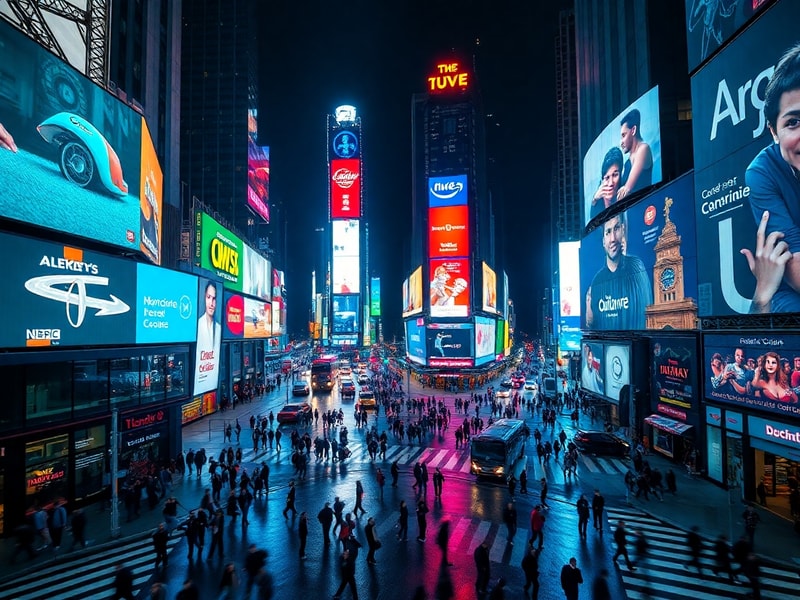
Few places on Earth evoke the sheer intensity of Times Square—a place where neon lights bleed into the sky, where giant screens flicker with advertisements, and where the pulse of New York City never falters. Straddling the intersection of Broadway and Seventh Avenue in Midtown Manhattan, this iconic district has transformed from a quiet stretch of farmland in the 1800s to the global symbol of urban energy, commerce, and spectacle. Its story is one of reinvention, resilience, and relentless ambition, mirroring the city it calls home.
Today, Times Square is more than a landmark; it’s a living museum of modern culture, a stage for global events, and a magnet for over 300,000 daily visitors. It’s where tourists flock to snap photos with the TKTS red steps, where Broadway shows premiere before adoring crowds, and where the annual New Year’s Eve ball drop unites millions in anticipation. But behind the dazzling facade lies a complex narrative—one of economic shifts, artistic evolution, and the delicate balance between preservation and progress.
The Birth of a Global Icon
The origins of Times Square trace back to 1904, when The New York Times moved its headquarters to a newly built skyscraper at 1 Times Square. The newspaper’s relocation spurred the renaming of Long Acre Square to Times Square, and with it came a wave of development. The area quickly became a hub for theaters, hotels, and entertainment, fueled by the rise of electric lighting and early cinema. By the 1920s, it was the epicenter of New York’s nightlife, earning nicknames like “The Great White Way” for its blinding display of marquees.
Yet, the district’s golden age wasn’t without its shadows. The Great Depression led to a decline in theater attendance, and by the mid-20th century, Times Square had become synonymous with crime, vice, and urban decay. The transformation from grit to glamour began in the 1990s under Mayor Rudy Giuliani’s “broken windows” policing strategy, which cracked down on petty crime and cleaned up the streets. Simultaneously, Disney and other corporations invested in the area, reviving Broadway and turning Times Square into a family-friendly destination. The result? A dramatic rebirth that redefined urban renewal worldwide.
Times Square as a Cultural Crossroads
Walking through Times Square today is like stepping into a global melting pot. The district is a microcosm of the world’s cultures, languages, and trends, all compressed into a few square blocks. From the M&M’s World store—where tourists queue for hours to customize candy—to the Madame Tussauds wax museum, the area caters to every imaginable interest. Meanwhile, the TKTS booth offers discounted Broadway tickets, drawing theater lovers from Tokyo to Buenos Aires.
Times Square also serves as an unofficial stage for free expression. Protests, flash mobs, and public art installations regularly unfold here, making it a dynamic forum for social and political dialogue. In 2020, during the height of the COVID-19 pandemic, the square became a symbol of resilience when healthcare workers were celebrated with a nightly “clap for healthcare” event. Such moments highlight Times Square’s role not just as a tourist attraction, but as a communal space where collective emotions are shared.
The district’s influence extends far beyond New York’s borders. Cities from Las Vegas to Tokyo have attempted to replicate its energy, with varying degrees of success. Dubai’s Deira City Centre and Macau’s Venetian complex borrow from Times Square’s playbook, blending entertainment, retail, and spectacle. Yet, none capture its authenticity—the raw, unfiltered essence of a place that never sleeps. Even in the age of digital media, Times Square remains unmatched as a physical manifestation of urban ambition.
The Business of Spectacle
Behind the glittering lights of Times Square lies a high-stakes economic engine. The district generates billions annually, driven by advertising, tourism, and retail. Companies pay millions for the privilege of displaying ads on its massive screens, with brands like Coca-Cola and Samsung vying for visibility. In 2023, the Times Square Alliance reported that the area attracted over 40 million visitors, with retail sales exceeding $8 billion.
Yet, this commercial success comes with challenges. The COVID-19 pandemic exposed the fragility of an economy built on crowds. When tourism halted, businesses shuttered, and foot traffic plummeted. Recovery has been uneven, with some sectors—like Broadway—rebounding strongly, while others, such as small theaters and local restaurants, continue to struggle. The pandemic also accelerated debates about the district’s future: Should Times Square prioritize luxury brands over local culture? How can it remain accessible to all in an era of rising inequality?
One solution has been the Times Square Public Realm Vision, a long-term plan to enhance pedestrian spaces and reduce congestion. Initiatives like the Times Square Plaza—a car-free zone—have improved walkability, while pop-up events and cultural programming aim to diversify the district’s appeal. Still, critics argue that these changes don’t go far enough. As one local shop owner put it, “Times Square used to be about the people who lived here. Now, it feels like a theme park for the wealthy.”
The Role of Broadway and the Arts
No discussion of Times Square is complete without acknowledging its symbiotic relationship with Broadway. The theater district, centered just west of Times Square, is a powerhouse of live performance, drawing over 14 million attendees annually. Shows like The Lion King and Hamilton have become cultural touchstones, their success fueling the area’s economic engine. Yet, the industry faces its own set of challenges, from rising production costs to the existential threat of streaming platforms.
Broadway’s future may lie in its ability to innovate. The rise of immersive theater experiences, such as Sleep No More, and the growing popularity of international productions suggest a shift toward global audiences. Meanwhile, initiatives like the Broadway Green Alliance are working to make the industry more sustainable. As Times Square evolves, so too must its artistic soul—ensuring that the district remains a beacon for creativity, not just commerce.
A Global Symbol in Flux
Times Square’s story is far from over. As New York City grapples with post-pandemic recovery, climate change, and the pressures of gentrification, the district stands at a crossroads. Will it continue to be a playground for the masses, or will it become an exclusive enclave for the elite? The answer may lie in how well it balances its dual identities—as a global brand and a local community.
What’s certain is that Times Square will endure. Its lights will keep flickering, its crowds will keep swelling, and its screens will keep broadcasting the world’s dreams. Whether that future is sustainable, equitable, or even desirable remains to be seen. But one thing is clear: Times Square isn’t just a place. It’s an idea—one that embodies the relentless, often chaotic, spirit of modern urban life.
For those who’ve stood beneath its neon glow, it’s impossible to forget. For those who haven’t, a visit is more than a bucket-list item; it’s a rite of passage into the heart of the 21st century.