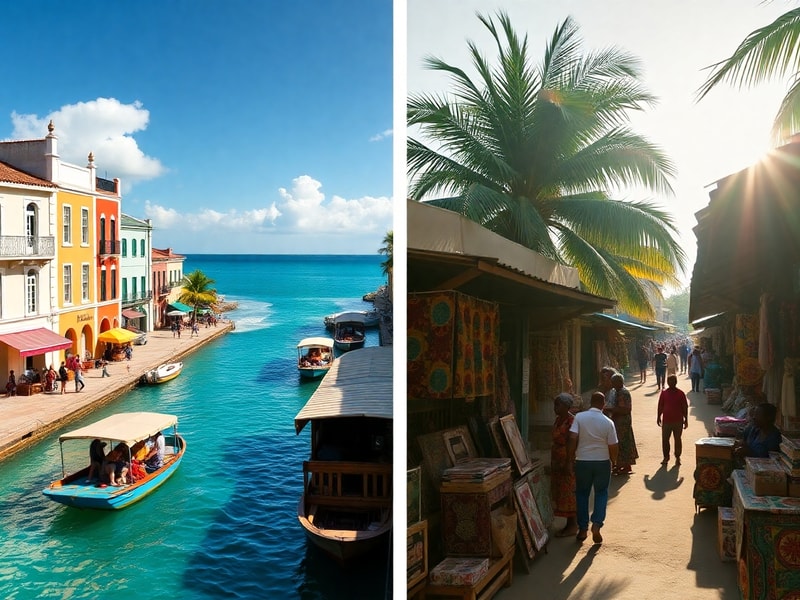
The matchup between Curaçao and Côte d’Ivoire at the CONCACAF Gold Cup was more than just a game of football. It was a collision of cultures, histories, and footballing philosophies. On one side stood Curaçao, a tiny Caribbean island with a population smaller than many American cities, yet boasting a team that punches far above its weight. On the other side was Côte d’Ivoire, a West African powerhouse with a rich footballing tradition and a roster stacked with talent playing in Europe’s top leagues. The contrast between the two teams extended beyond the pitch, reflecting broader narratives of resilience, identity, and global football’s evolving landscape.
The footballing identities of Curaçao and Côte d’Ivoire
Curaçao’s football identity is shaped by its colonial history and geographical isolation. The island, a former Dutch colony, has long been a melting pot of cultures—African, Indigenous, European, and Latin American. This diversity is reflected in its national team, which draws players from the Dutch Eredivisie and lower European leagues. The team’s style is often pragmatic, with an emphasis on physicality and set-piece prowess. Players like Rangelo Janga and Leandro Bacuna have become symbols of Curaçao’s ability to compete against larger footballing nations, despite limited resources.
Côte d’Ivoire, by contrast, is a footballing giant of West Africa. The Elephants, as they are known, have been a dominant force on the continent for decades. Their footballing culture is deeply rooted in rhythm, flair, and creativity, traits that have produced legends like Didier Drogba, Yaya Touré, and Wilfried Zaha. Côte d’Ivoire’s national team plays with a swagger, blending technical skill with a fearless attacking mentality. The team’s identity is also tied to its history of overcoming adversity, from political instability to the tragic loss of key players in the 2000s. Their resilience has made them a symbol of hope for Ivorian fans worldwide.
The contrast in resources and development
The disparities between Curaçao and Côte d’Ivoire extend beyond the pitch. Curaçao’s football infrastructure is modest, with limited funding and facilities. The Royal Dutch Football Association (KNVB) has played a significant role in supporting Curaçao, but the team still faces challenges in player development and exposure. Many Curaçaoan players cut their teeth in the Dutch lower leagues, where they gain experience against tougher competition. The team’s recent successes, including a runner-up finish in the 2019 CONCACAF Gold Cup, have been a testament to the talent and determination of its players.
Côte d’Ivoire, on the other hand, benefits from a robust football ecosystem. The country has produced a steady stream of talent that has gone on to shine in Europe’s top leagues. Clubs like ASEC Mimosas have long been known for their youth development programs, which have produced stars like Drogba and Gervinho. The Ivorian Football Federation has also invested in improving infrastructure, including the construction of modern training facilities and stadiums. This investment has paid dividends, as the Elephants consistently rank among the top teams in Africa and have qualified for multiple FIFA World Cups.
The cultural significance of the matchup
The clash between Curaçao and Côte d’Ivoire was more than a football match; it was a cultural exchange. For Curaçao, the game was an opportunity to showcase its unique identity on the global stage. The island’s football culture is a reflection of its multicultural heritage, blending Dutch discipline with Latin American flair. Players like Janga and Bacuna embody this fusion, bringing a blend of technical skill and physicality to the team. Their performances have inspired a generation of young players in the Caribbean, proving that talent can emerge from even the smallest islands.
For Côte d’Ivoire, the matchup was a chance to assert its dominance in African football. The Elephants have long been a symbol of Ivorian pride, and their performances on the international stage have brought the country together. The team’s attacking style of play is a reflection of the country’s vibrant culture, which is known for its music, dance, and creativity. Players like Sébastien Haller and Franck Kessié have become national heroes, representing the best of Ivorian football. Their success has also helped to shift global perceptions of African football, showcasing the continent’s ability to produce world-class talent.
Key takeaways from the match
The match between Curaçao and Côte d’Ivoire was a tightly contested affair, with both teams showcasing their strengths. Curaçao started strong, pressing high and creating early chances. However, Côte d’Ivoire’s experience and technical superiority began to tell as the game progressed. The Elephants’ midfield, marshaled by players like Kessié and Seko Fofana, controlled the tempo of the game, while their attack posed constant threats to Curaçao’s defense.
In the end, Côte d’Ivoire’s superior firepower proved decisive. A second-half strike from Haller, combined with a late goal from an emerging talent, sealed the win for the Elephants. Despite the loss, Curaçao’s performance was commendable, particularly given the disparity in resources between the two teams. The match highlighted the progress Curaçao has made in recent years, as well as the challenges it still faces in competing with the world’s elite.
For football fans, the matchup was a reminder of the beauty and unpredictability of the sport. It was a clash of cultures, styles, and philosophies, all compressed into 90 minutes of football. While Côte d’Ivoire emerged victorious, Curaçao’s performance served as a testament to the power of resilience and determination. As both teams look ahead to future competitions, their stories will continue to inspire football fans around the world.
What’s next for both teams?
For Curaçao, the focus will be on building on their recent successes. The team’s runner-up finish in the 2019 CONCACAF Gold Cup was a historic achievement, and they will be aiming to replicate that form in future tournaments. The development of young players will be crucial, as will continued support from the KNVB. With the right investment and infrastructure, Curaçao has the potential to become a regular contender in CONCACAF competitions.
Côte d’Ivoire, meanwhile, will be looking to build on their recent successes and qualify for the 2026 FIFA World Cup. The team’s golden generation, featuring players like Haller and Kessié, is aging, but there is a wealth of young talent waiting in the wings. The Elephants will also be aiming to reclaim their status as Africa’s top team, following a disappointing AFCON 2023 campaign. With a blend of experience and youth, Côte d’Ivoire remains a formidable force in world football.
Both teams represent the diversity and richness of global football. Whether it’s Curaçao’s multicultural identity or Côte d’Ivoire’s flair and creativity, their stories are a testament to the power of football to transcend borders and bring people together. As they continue to compete on the world stage, their journeys will inspire fans and players alike.
- Sports enthusiasts can follow the latest updates on CONCACAF and African football competitions.
- For more on the cultural impact of football, explore our Culture section.
Football is more than just a game—it’s a reflection of identity, history, and aspiration. The match between Curaçao and Côte d’Ivoire was a perfect example of this, showcasing the beauty of the sport in all its complexity and diversity.